Let’s say your organization has a data breach that exposes thousands of customer records. A company employee accidentally shares confidential information. A workplace harassment claim arises that could have been prevented. These are all compliance nightmares that could be avoided with proper training.
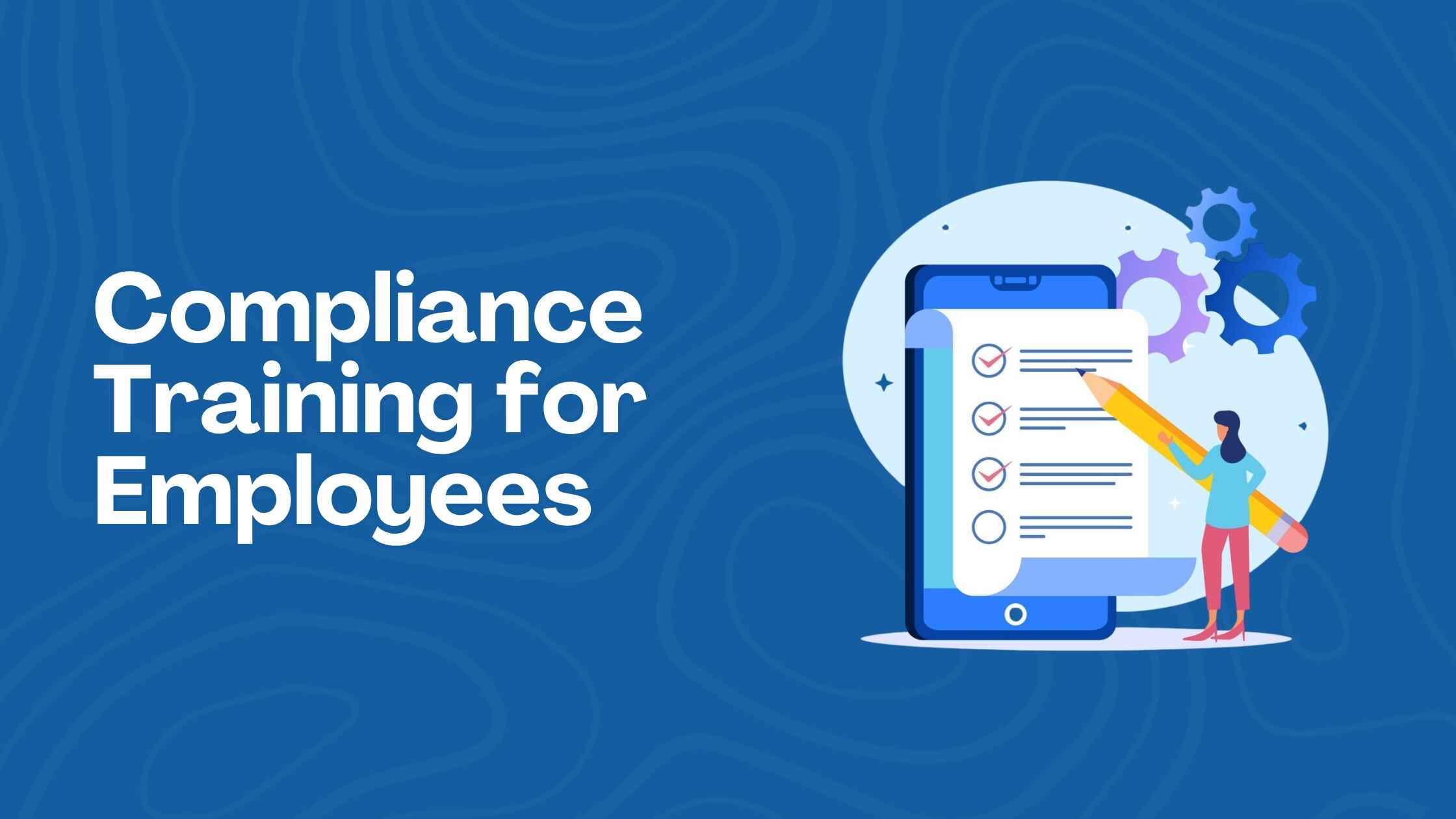
The importance of compliance training for employees cannot be overstated in today’s regulatory landscape. It protects your organization from legal penalties, reputational damage, and operational chaos, yet many companies continue to treat it as an afterthought, providing generic content that puts learners to sleep and fails to change behaviors..
Whether you work in AI, EdTech, SaaS, or are responsible for managing L&D programs, knowing which types of compliance training matter most is essential. Let’s explore the seven essential types that should be on your radar.
Why Compliance Training For Employees Matters More Than Ever
Before diving into specific types, let’s address the elephant in the room. Compliance training has a reputation for being boring, mandatory, and forgettable. But when done right, it protects your people, your customers, and your bottom line.
The stakes are higher than you might think. Companies can face fines reaching millions of dollars for compliance violations. Beyond financial penalties, non-compliance damages trust with clients, especially in industries handling sensitive data or serving vulnerable populations.
1. Data Privacy and Security Training
In our hyper-connected world, data privacy training has become non-negotiable. This training covers how employees should handle, store, and protect sensitive information, whether it belongs to customers, partners, or the company itself.
Why it’s critical: With regulations like GDPR, CCPA, and emerging AI-specific privacy laws, mishandling data can result in catastrophic fines and loss of customer trust. For SaaS companies and EdTech platforms processing user information, this training forms your first line of defense.
What to include:
- Recognizing phishing attempts and social engineering tactics
- Password management and multi-factor authentication best practices
- Proper handling of personally identifiable information (PII)
- Secure file sharing and communication protocols
- Data breach response procedures
Modern data security training should include real-world scenarios and simulated phishing exercises that test employee readiness rather than just presenting information.
2. Anti-Harassment and Discrimination Training For Employees
Creating a respectful workplace isn’t just morally right; it’s legally required. Anti-harassment training educates employees about acceptable workplace behavior, how to recognize inappropriate conduct, and the proper channels for reporting concerns.
Why it’s critical: Harassment claims can lead to lawsuits, damaged morale, and high turnover. In remote and hybrid work environments, understanding what constitutes digital harassment has become equally important.
Key components:
- Defining harassment, discrimination, and retaliation
- Understanding protected classes under employment law
- Bystander intervention strategies
- Creating inclusive communication in virtual settings
- Proper reporting mechanisms and investigation processes
The most effective programs move beyond legal definitions to foster genuine cultural change through interactive discussions and scenario-based learning.
3. Code of Conduct and Ethics Training
Your code of conduct training establishes the behavioral expectations and ethical standards that guide decision-making across your organization. This training helps employees navigate gray areas and make choices aligned with company values.
Why it’s critical: Ethical lapses can destroy reputation overnight. For companies in AI and EdTech, ethical considerations around algorithmic bias, data usage, and equitable access require explicit guidance.
Essential topics:
- Conflicts of interest and gift policies
- Ethical use of company resources
- Social media and brand representation guidelines
- Whistleblower protections and reporting mechanisms
- Decision-making frameworks for ethical dilemmas
Consider incorporating case studies from your industry to help employees apply ethical principles to situations they’ll actually encounter.
4. Health and Safety Training
Workplace safety training protects employees from physical harm and ensures compliance with occupational health regulations. While traditionally associated with manufacturing, every workplace has safety considerations.
Why it’s critical: Beyond legal compliance with OSHA and similar regulations, prioritizing safety reduces workplace injuries, lowers insurance costs, and demonstrates genuine care for employee wellbeing.
Coverage areas:
- Ergonomics for remote and office workers
- Emergency evacuation procedures
- First aid and emergency response basics
- Hazard identification and reporting
- Mental health awareness and resources
For predominantly remote teams, focus on ergonomics, mental health support, and creating healthy work-from-home boundaries.
5. Anti-Money Laundering and Financial Compliance
Financial compliance training is essential for organizations handling transactions, payments, or financial data. This includes understanding regulations around money laundering, fraud prevention, and financial record-keeping.
Why it’s critical: Financial violations carry severe penalties and can result in criminal charges. For SaaS companies with subscription models or EdTech platforms processing payments, basic financial compliance knowledge protects against inadvertent violations.
Key areas:
- Recognizing suspicious transactions and activity
- Know Your Customer (KYC) requirements
- Record retention policies
- Fraud detection and prevention
- Regulatory reporting obligations
Tailor this training based on roles, giving more comprehensive instruction to finance teams while ensuring all employees understand their responsibilities.
6. Information Security and Intellectual Property Protection
Protecting your organization’s intellectual property and proprietary information requires trained, vigilant employees. This training covers safeguarding trade secrets, respecting IP rights, and understanding confidentiality obligations.
Why it’s critical: Your competitive advantage often lives in proprietary algorithms, unique methodologies, or innovative content. For AI companies developing cutting-edge models or EdTech firms creating original curricula, IP protection is existential.
Training elements:
- Classifying and handling confidential information
- Understanding non-disclosure agreements
- Respecting third-party IP rights
- Proper disposal of sensitive documents
- Remote work security considerations
Emphasize that IP protection is everyone’s responsibility, not just the legal department’s concern.
7. Industry-Specific Regulatory Training
Depending on your sector, additional specialized compliance training may be mandatory. This includes regulations specific to education technology, healthcare data (HIPAA), accessibility standards (WCAG), or AI ethics guidelines.
Why it’s critical: Industry-specific regulations often carry the steepest penalties and most stringent enforcement. Falling behind on sector-specific compliance can shut down operations or severely limit your market reach.
Examples by industry:
- EdTech: FERPA, COPPA, accessibility requirements
- AI/ML: Algorithmic transparency, bias mitigation standards
- SaaS: SOC 2, ISO certifications, accessibility compliance
- E-Learning: Accessibility standards, copyright for educational content
Stay current with evolving regulations in your space, particularly around AI governance and digital accessibility, which are rapidly developing areas.
Making Compliance Training Actually Work
Knowing what training you need is only half the battle. The real challenge lies in delivery that creates lasting behavior change rather than checked boxes.
Best practices for effective compliance training:
- Make it relevant with industry and role-specific scenarios
- Keep modules short and focused (microlearning approach)
- Use interactive elements like branching scenarios and simulations
- Provide regular refreshers rather than annual marathons
- Measure comprehension through assessments, not just completion
- Create a culture where compliance questions are welcomed, not dismissed
Modern learning management systems (LMS) and AI-powered training platforms can personalize the experience, track progress effectively, and identify knowledge gaps requiring additional attention.
FAQs
Q1: What is compliance training for employees?
Compliance training for employees educates staff on company policies, legal regulations, and ethical standards to ensure responsible and lawful workplace behavior.
Q2: What are the 4 C’s of compliance?
The 4 C’s of compliance are Commitment, Communication, Consistency, and Culture.
Q3: What are the 5 keys of compliance?
The 5 keys of compliance are leadership, risk assessment, standards and controls, training and communication, and monitoring and auditing.
Q4: What are the 7 elements of compliance?
The 7 elements of compliance are policies and procedures, compliance officer, training and education, effective communication, monitoring and auditing, enforcement and discipline, and corrective action.
Conclusion
If you design compliance training with care and deliver it effectively, it becomes a competitive advantage that protects your organization while empowering your employees to make confident, informed decisions. Compliance training doesn’t have to be the dreaded annual obligation your team tries to rush through..
At Vocaliv, we specialize in creating engaging, effective compliance training solutions that actually stick. Our AI-powered platform delivers personalized learning experiences that meet regulatory requirements while respecting your employees’ time and intelligence.
Don’t wait for a compliance incident to take training seriously. Contact Vocaliv today to discuss how we can help you build a comprehensive compliance training program tailored to your industry, your risks, and your culture. Let’s turn compliance from a checkbox into a cornerstone of your organizational excellence.