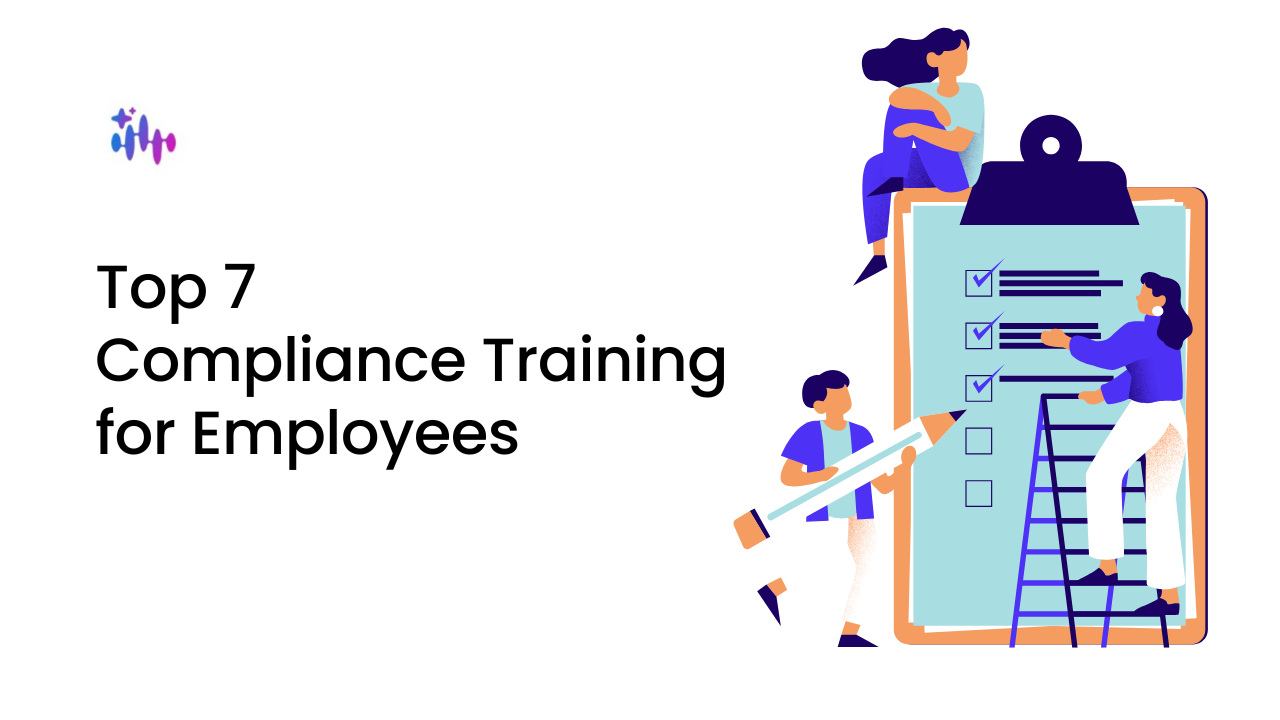
Employee onboarding is not just about introducing new employees to company culture, but also preparing them to work safely, ethically, and efficiently. In 2025, compliance training will be a critical component of any successful onboarding program. Businesses that invest in compliance education see fewer violations, better employee engagement, and stronger reputations.
This article breaks down the seven most important compliance trainings to include in your onboarding checklist. Whether you manage a small business or an enterprise-level organization, these courses will help you protect your workforce, meet regulatory requirements, and avoid costly penalties.
1. Workplace Safety Training
Workplace safety is the foundation of compliance training. It educates employees on accident prevention, emergency response, and maintaining a hazard-free environment.
- What it covers: Fire safety, ergonomics, personal protective equipment (PPE), first-aid basics.
- Why it matters: The Occupational Safety and Health Administration (OSHA) reports that comprehensive safety programs can reduce workplace injuries by up to 40%.
- Best practice: Update training regularly to reflect new regulations and industry standards.
2. Data Privacy and Cybersecurity Training
With remote work on the rise, data protection is no longer just an IT concern — it’s everyone’s responsibility. The Compliance training for employees should include how to recognize phishing attacks, secure devices, and handle sensitive data.
- What it covers: Password hygiene, phishing awareness, secure file sharing, GDPR and CCPA compliance.
- Why it matters: IBM’s 2024 Cost of a Data Breach Report revealed that 88% of breaches are caused by human error.
- Pro tip: Use platforms like Vocaliv’s Cybersecurity Training to provide interactive modules and real-life scenarios.
3. Anti-Harassment and Discrimination Training
Fostering an inclusive and respectful workplace is critical for both morale and compliance. Anti-harassment training helps employees recognize inappropriate behavior and understand reporting procedures.
- What it covers: Sexual harassment prevention, DEI (Diversity, Equity, Inclusion) guidelines, respectful communication.
- Why it matters: Preventing workplace harassment protects employees and shields organizations from legal disputes and reputational harm.
- Tip: Make sessions interactive with role-playing or case studies to ensure better retention.
4. Code of Conduct and Ethics Training
Every organization has its values, policies, and expectations for employee behavior. This training ensures everyone understands what is acceptable and what’s not.
- What it covers: Conflicts of interest, anti-bribery laws, ethical decision-making frameworks.
- Why it matters: Employees with strong ethical awareness are less likely to engage in activities that could harm your business.
- Implementation idea: Provide a digital handbook employees can reference anytime.
5. Diversity, Equity, and Inclusion (DEI) Training
Modern workplaces thrive when they embrace diversity. DEI training teaches employees how to collaborate across differences and contribute to an inclusive environment.
- What it covers: Unconscious bias, cultural competency, inclusive language, allyship.
- Why it matters: Companies with strong DEI programs are 35% more likely to outperform their peers, according to McKinsey.
- Action step: Incorporate DEI into ongoing training rather than a one-time session.
6. Industry-Specific Compliance Training For Employees
Depending on your sector, certain regulatory requirements may apply. For example:
- Healthcare: HIPAA compliance for handling patient data.
- Finance: Anti-Money Laundering (AML) and Know Your Customer (KYC) guidelines.
- Education: FERPA compliance for student data privacy.
Tailoring training ensures your employees are equipped with the knowledge they need to stay compliant in your industry.
7. Environmental and Sustainability Training
Sustainability is more than a buzzword — it’s part of corporate social responsibility. Training employees on environmentally responsible practices can help your business meet ESG (Environmental, Social, and Governance) goals.
- What it covers: Waste reduction, energy-saving practices, proper disposal of hazardous materials.
- Why it matters: Consumers increasingly prefer companies that prioritize sustainability. This training also helps you stay ahead of emerging environmental regulations.
FAQs
What is compliance training for employees?
Compliance training is a structured program designed to educate employees about laws, regulations, and internal policies relevant to their roles.
How can I learn about compliance?
You can learn about compliance through online courses, certifications, webinars, and reading industry regulations, as well as following updates from compliance authorities and experts.
Can compliance training be done online?
Yes, many companies use e-learning platforms like Vocaliv to deliver engaging and trackable training modules online.
Investing in compliance training for employees isn’t just about checking a legal box — it’s about creating a safer, more ethical, and more productive workplace. By incorporating these seven essential trainings into your onboarding process, you prepare your employees to meet challenges confidently and help your organization stay compliant.
Ready to Level Up Your Onboarding Process?
Explore Vocaliv’s compliance training solutions to create a customized, engaging, and trackable onboarding program that fits your organization’s needs. Start today and build a safer, more compliant workplace for tomorrow.