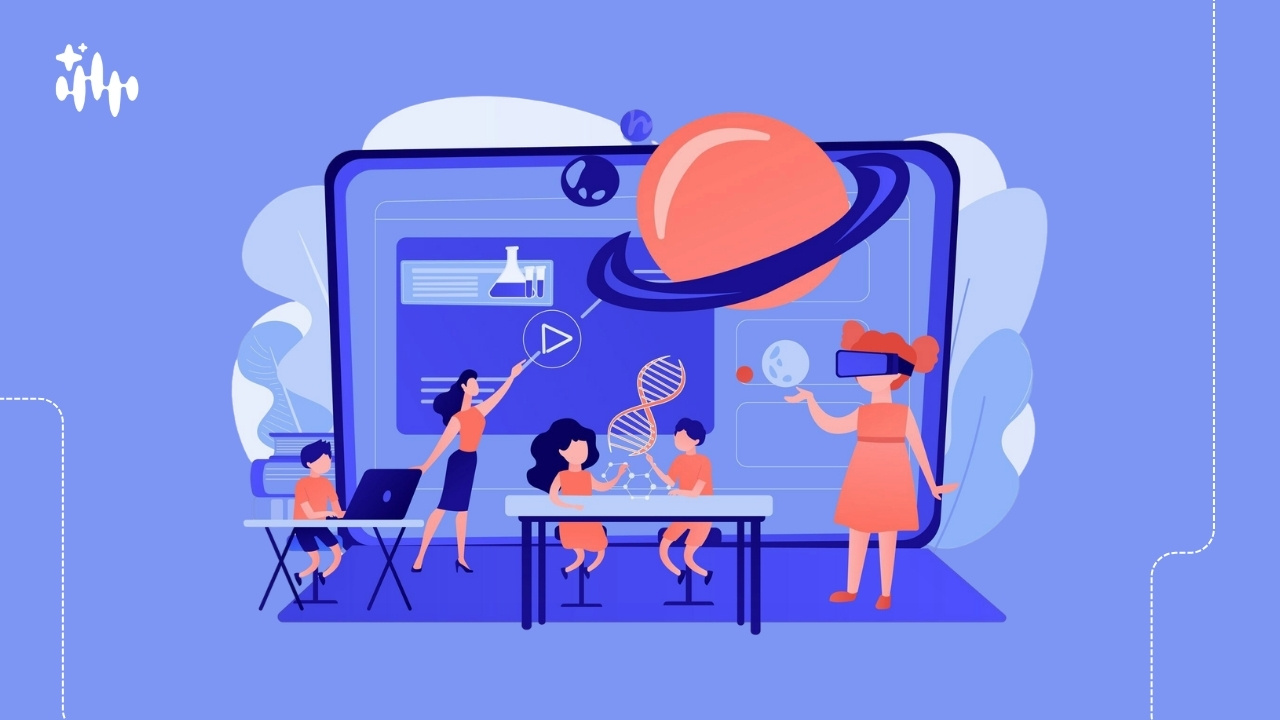
AI in education adaptive learning platforms are training systems that use AI to personalize content, pacing, and assessments for each learner in real time. In 2026, the leading platforms go further than personalization, they automate course creation, deliver real-time AI coaching, and report training ROI, reducing the manual workload behind every program.
Key Takeaways
- Adaptive learning: adjusts what each learner sees based on real performance data, not a fixed path.
- It matters in 2026: because it lifts completion and engagement while cutting the manual effort that grows as you scale.
- The category is splitting: into three tiers: traditional LMS (delivery), adaptive platforms (personalization), and AI learning-automation layers (delivery + personalization + automated support and reporting).
- What to evaluate: auto course creation, real-time AI learner support, instructor-workload reduction, and ROI reporting.
- Where Vocaliv fits: an AI learning-automation layer that turns documents into courses, handles most learner questions automatically, and makes training ROI visible.
This guide explains what these platforms do, why they matter now, how to evaluate them, and where the category is heading. The search intent is part informational and part commercial readers want to understand the concept and decide what to adopt.
What Are AI Adaptive Learning Platforms?
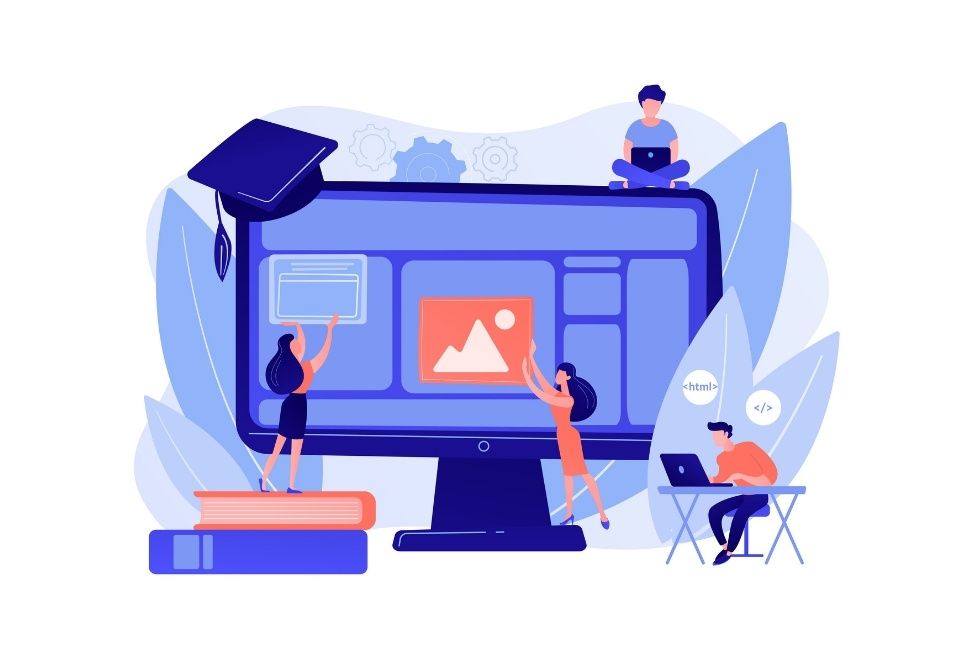
An AI adaptive learning platform is a training system that personalizes content, pacing, and assessments for each learner in real time. Instead of a fixed course path, the system uses learner data, quiz results, time-on-task, and confusion signals to decide what comes next.
In practice, adaptive learning means three things working together:
- Personalized paths: each learner moves through material suited to their level.
- Real-time feedback: the system responds to mistakes as they happen, not after a final exam.
- Continuous data: every interaction informs the next recommendation.
This is the core difference from a traditional LMS, which stores and delivers content but does not adapt it.
Why Adaptive Learning Matters in 2026
Training teams are being asked to do more with the same headcount. Adaptive learning matters because it directly attacks the costs that grow fastest as you scale.
- Manual effort drops: Instructors stop re-teaching the same concept to different people.
- Engagement rises: Learners stay with content pitched at their level instead of dropping off.
- Outcomes become measurable: Adaptive systems produce data you can report to stakeholders.
For L&D managers, HR teams, EdTech companies, and training providers, the shift is operational, not cosmetic. Adaptive learning is how you grow learning volume without growing the team that supports it.
Key Benefits and Use Cases
- Corporate onboarding: new hires skip what they know and focus on gaps.
- Compliance training: learners who struggle get reinforcement; others finish faster.
- Upskilling at scale: large cohorts get individualized paths without manual sorting.
- Customer and partner education: external learners get support without flooding your team.
The common thread: adaptive learning turns a one-size course into many right-sized ones, automatically.
How AI Adaptive Learning Platforms Work
Most adaptive systems follow a similar loop:
- Ingest content: documents, PDFs, and existing material become structured lessons.
- Assess the learner: diagnostic quizzes establish a starting point.
- Adapt the path: the system routes each learner to the right next step.
- Support in real time: an AI coach answers questions and flags confusion.
- Report outcomes: dashboards show completion, mastery, and time saved.
The faster a platform moves through that loop, the more it reduces manual work. If your team still builds courses and answers repetitive questions by hand, that loop is where automation pays off first.
What to Look for in a Top Adaptive Learning Platform
“Top” is less about brand names and more about capability fit. Compare categories before you compare logos.
| Capability | Traditional LMS | Adaptive Learning Platform | AI Learning-Automation Layer |
| Content delivery | Yes | Yes | Yes |
| Personalized paths | No | Yes | Yes |
| Auto course creation from documents | No | Limited | Yes |
| Real-time AI learner support | No | Limited | Yes |
| Reduces instructor workload | No | Partial | Yes (primary purpose) |
| Client-ready ROI reporting | Basic | Partial | Yes |
The right-most column is where automation-first systems sit. The goal is not just adaptive content it is adaptive operations, where the system also handles the support and reporting load around the content.
Common Mistakes to Avoid
- Buying an LMS and expecting adaptation: Storage is not personalization.
- Ignoring instructor load: A platform that personalizes content but still requires manual support has only moved the bottleneck.
- No ROI reporting: If you cannot show completion and time saved, you cannot defend the budget.
- Over-engineering content: Start with the material you already have and let the system structure it.
The Future: From Adaptive Content to Automated Training Operations
The next stage is not smarter quizzes, it is automated training operations. Expect platforms to generate courses from raw documents in minutes, deploy AI coaches that resolve most learner questions without an instructor, and report outcomes automatically.
This is where Vocaliv fits. Vocaliv is an AI learning-automation layer for training teams and providers. It converts documents and PDFs into structured courses, generates quizzes and learning paths, deploys AI coaches for real-time learner support, and reports ROI to stakeholders so instructors spend their time on high-value teaching, not repetitive support. The aim is concrete: handle the majority of learner questions automatically, lift completion on long programs, and make training impact visible. If manual training work is capping how much you can deliver, that is exactly the layer Vocaliv automates.

Frequently Asked Questions
A training system that personalizes content, pacing, and assessments for each learner in real time using performance data.
It assesses each learner, routes them to the right next step, supports them in real time, and reports outcomes adjusting continuously as they progress.
Lower manual effort, higher engagement and completion, faster onboarding, and measurable training ROI.
AI is moving training from fixed courses to automated operations: auto-generated courses, real-time AI coaching, and personalized paths at scale.
Categories include LMSs for delivery, adaptive platforms for personalization, and AI learning-automation layers like Vocaliv that also automate course creation, support, and reporting.
Ready to Automate Your Training Operations?
Adaptive content is the starting line. Automated training operations are the finish line. Vocaliv turns your existing documents into structured courses, answers most learner questions automatically, and shows the ROI to your stakeholders without adding headcount. See it on your own content.