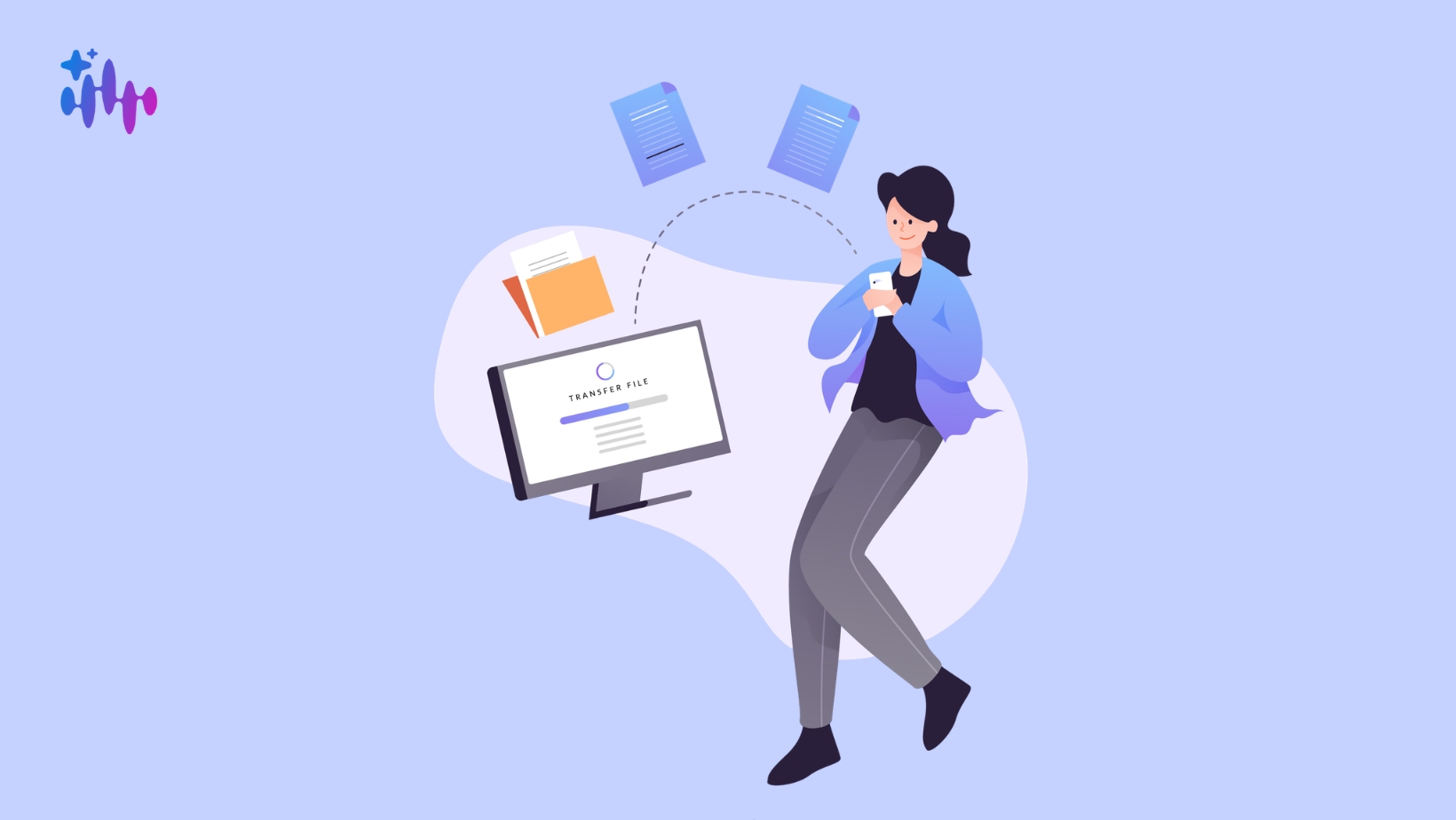
The top AI platforms for converting documents into courses, led by Vocaliv’s document-to-course engine, ingest PDFs, Word docs, and PowerPoint decks, then generate structured lessons, quizzes, and assessments with a first usable draft in under 15 minutes.
Key Takeaways:
- Document-to-course platforms fall into four categories: authoring tools with AI, microlearning converters, video generators, and full operational-layer platforms.
- The best tools analyze document structure, not just text, turning SOPs, manuals, and slide decks into logically sequenced lessons with assessments.
- Conversion accuracy depends on your source files: clean, well-structured documents produce dramatically better courses than scanned or fragmented ones.
- Generation is only 30% of the job. Platforms that also automate learner Q&A and track completion deliver the real operational ROI.
- Expect an 85–90% reduction in build time versus the traditional 40–80 hour manual course development cycle.
Most training teams don’t have a content problem. They have a format problem. Years of expertise sits locked inside SOPs, policy PDFs, onboarding decks, and product manuals that learners skim once and forget. Converting one of those documents into a real course traditionally takes an instructional designer 40 to 80 hours, which is exactly why so much of it never gets converted at all.
AI document-to-course platforms collapse that timeline to minutes. But the market now splits into distinct categories, and choosing the wrong one means paying for capabilities you’ll never use while missing the ones you need.

How Document-to-Course AI Actually Works
These platforms don’t copy-paste your file into slides. The AI reads the document’s structure, identifies key concepts and their logical sequence, then rebuilds the material as modules, lessons, and learning objectives.
The stronger platforms add three layers on top:
- Assessment generation: quizzes and knowledge checks locked to your source content, not the model’s general knowledge.
- Editing control: an outline review stage before full generation, so you fix structure early.
- Delivery formats: SCORM export, mobile-ready lessons, or a hosted learner experience with analytics.
The Four Platform Categories (And Who Each One Fits)
1. AI-enhanced authoring suites: Traditional tools like Articulate 360 now include AI outline builders. Powerful for custom interactivity, but you still assemble much of the course manually.
2. Microlearning converters: Tools like eduMe turn SOPs and checklists into bite-sized mobile lessons for frontline teams. Fast and simple, but limited for long-form programs.
3. Document-to-video generators: Platforms like Synthesia and Elai convert scripts into avatar-led videos. Great media output, but no course structure, learner support, or analytics.
4. Operational-layer platforms: Vocaliv sits here: document-to-course generation plus an AI assistant that answers learner questions from the course content, completion tooling, and client-ready ROI dashboards. Built for training providers whose revenue depends on learners finishing.
Platform Comparison Matrix
| Capability | Authoring Suites | Microlearning Converters | Video Generators | Vocaliv (Operational Layer) |
| PDF/DOCX/PPT ingestion | Partial | Yes | Script-based | Yes |
| First draft speed | Hours | Minutes | Minutes | Under 15 min |
| Auto-generated quizzes | Add-on | Basic | No | Yes, source-locked |
| Learner Q&A automation | No | No | No | Yes, 70%+ handled |
| Completion analytics | Via LMS | Basic | No | Full ROI dashboard |
| Best for | Custom interactivity | Frontline microlearning | Marketing-style video | Training providers at scale |
What Separates a Good Conversion From a Bad One
The platform matters less than most buyers assume. Output quality is decided by three factors you control:
- Source document quality: A clean, well-structured 12-page policy converts beautifully. A scanned, image-heavy PDF produces fragments. Restructure messy files before uploading.
- Outline review discipline: Approve the AI’s module structure before lesson generation. Fixing sequence at the outline stage takes minutes; fixing it after takes hours.
- Subject-matter validation: AI drafts, humans verify. Every converted course needs one expert pass for accuracy and terminology, especially in regulated content.
There’s a fourth factor buyers discover after purchase: what happens once learners start the course. Converted content still generates questions, and those questions land on your instructors unless the platform absorbs them. Feature checklists rarely capture this difference, which is why side-by-side evaluation matters. For a detailed head-to-head breakdown, read our complete AI course builder tools comparison before shortlisting vendors.
The Business Case in Real Numbers
Run the math on a training firm converting 20 documents per year:
- Manual build: 20 courses × 50 hours average = 1,000 instructional design hours.
- AI conversion: 20 courses × 4 hours (generation plus expert review) = 80 hours.
- Recovered capacity: 920 hours redirected to live delivery, client work, and new program sales.
Add automated learner support handling 70%+ of questions, and completion rates on long programs move from the typical 35–50% toward 60%+, which is the metric enterprise clients renew on.
Frequently Asked Questions
The leading options span four categories: AI-enhanced authoring suites (Articulate 360), microlearning converters (eduMe), video generators (Synthesia), and operational-layer platforms like Vocaliv that combine conversion with learner support automation and completion analytics.
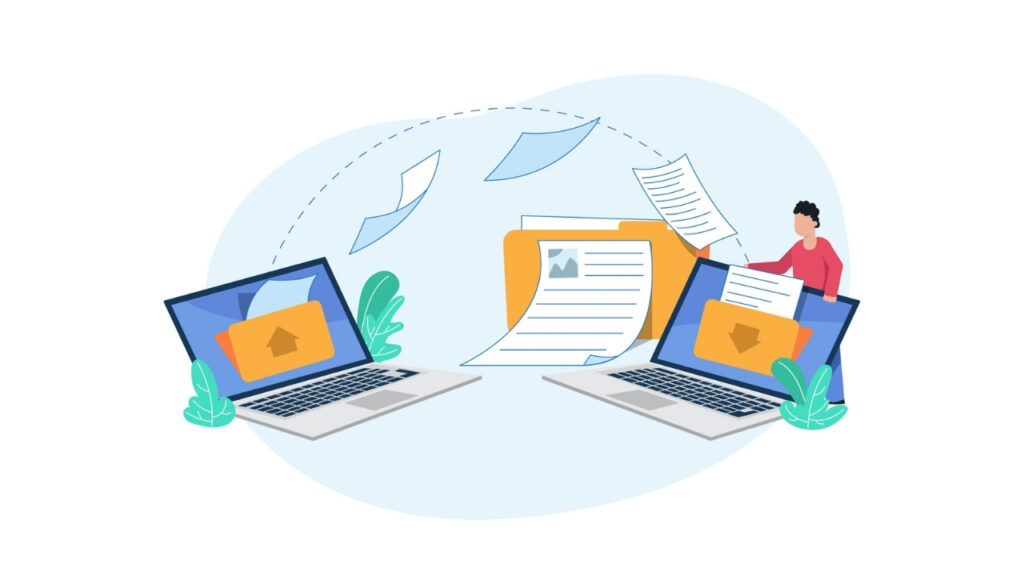
Yes. Modern platforms analyze a PDF’s structure and generate modules, lessons, and quizzes in minutes. A human expert should still review the draft for accuracy before publishing.
Most platforms accept PDF, Word (DOCX), and PowerPoint (PPT) files; many also handle URLs, transcripts, and video recordings. Clean, text-based documents convert far more accurately than scanned images.
A first structured draft typically generates in under 15 minutes. Plan another 2–4 hours for expert review and editing, versus 40–80 hours for a traditional manual build.
Document conversion is table stakes in 2026. The platforms worth shortlisting are the ones that handle what comes after: learner questions, completion drop-off, and the ROI report your client asks for at renewal.