
Call Center Coaching in the AI Era: Smarter Ways to Train Agents
Picture this: A new call center agent fumbles through their first customer interaction, anxiety rising with each second of dead air. Meanwhile, their supervisor is buried in back-to-back calls, unable to provide real-time guidance. Sound familiar? Traditional call center coaching methods are struggling to keep pace with today’s demands. Agents need instant feedback, personalized learning paths, and continuous skill development not just quarterly reviews and generic training modules. The good news? Artificial intelligence is transforming how we coach contact center teams, making training more effective, scalable, and data-driven than ever before. Let’s explore how AI-powered call center coaching is reshaping agent development and why your organization needs to embrace these smarter training methods. What Is AI-Powered Call Center Coaching? AI-powered call center coaching is the use of artificial intelligence technologies including speech analytics, machine learning, and natural language processing to analyze agent-customer interactions and deliver personalized, real-time training feedback. Key components include: This technology-driven approach replaces manual, time-delayed coaching with continuous, data-backed development strategies. Why Traditional Call Center Coaching Methods Fail Traditional coaching falls short for four primary reasons: Impact on business metrics: Contact centers face unprecedented challenges. Customer expectations have skyrocketed, call volumes fluctuate unpredictably, and these outdated approaches create knowledge gaps that directly impact revenue and customer relationships. How AI Transforms Call Center Coaching: 5 Core Capabilities 1. Real-Time Performance Analysis AI systems analyze every customer interaction as it happens, evaluating multiple performance dimensions simultaneously. Specific metrics tracked: Agents receive immediate notifications about performance strengths and improvement areas while conversations are still fresh in their minds. 2. Personalized Learning Paths How AI personalizes coaching: AI identifies individual skill gaps by comparing each agent’s performance against thousands of successful interaction patterns. The system then creates customized training sequences addressing specific weaknesses. Example framework: Machine learning algorithms continuously adjust recommendations based on progress, creating dynamic development plans rather than static training programs. 3. Automated Quality Assurance at Scale Traditional QA approach: AI-powered QA approach: This comprehensive coverage identifies trends and patterns impossible to detect through sampling, giving managers complete visibility into team performance. 4. Virtual Coaching Assistants Functionality of AI coaching bots: These virtual assistants operate 24/7, supporting agents during overnight shifts and high-volume periods when human supervisors are unavailable. 5. Predictive Performance Management AI predicts three critical outcomes: Supervisors receive automated alerts enabling proactive interventions rather than reactive damage control. 7 Practical Applications of AI in Call Center Coaching Application 1: Conversation Intelligence Platforms What they do: Record, transcribe, and analyze every customer interaction to extract actionable insights. Business value: Identify successful talk tracks, common customer pain points, and competitive intelligence from actual conversations. Application 2: Automated Call Scoring Evaluation criteria: Scores generate automatically within minutes of call completion, creating transparent performance records. Application 3: Side-by-Side Performance Comparisons Agents view their metrics alongside top performers, understanding exactly what excellence looks like and which specific behaviors drive superior results. Application 4: Gamification and Recognition AI identifies achievement milestones and triggers automatic recognition when agents hit targets, maintaining motivation through positive reinforcement. Application 5: Sentiment-Based Coaching Triggers When AI detects frustrated customers or escalating situations, supervisors receive real-time alerts to provide immediate support or intervention. Application 6: Compliance Monitoring Automatically flags missing disclosures, inappropriate language, or regulatory violations, protecting organizations from costly compliance failures. Application 7: Knowledge Gap Analysis Aggregates questions agents can’t answer to identify training content gaps and product knowledge deficiencies across the entire team. Step-by-Step Guide: Implementing AI Coaching in Your Contact Center Step 1: Define Success Metrics (Week 1-2) Establish clear, measurable objectives: Step 2: Audit Current Technology Stack (Week 2-3) Document existing systems: Step 3: Select AI Coaching Platform (Week 3-6) Essential evaluation criteria: Requirement Why It Matters Integration capabilities Must connect with existing contact center infrastructure Real-time processing Enables immediate coaching interventions Customizable scoring models Aligns evaluation with your specific quality standards User-friendly dashboards Ensures agent and supervisor adoption Vendor support and training Determines implementation success rate Step 4: Pilot Program Launch (Week 7-10) Step 5: Train Supervisors on AI Insights (Week 9-11) Critical training topics: Step 6: Full Deployment (Week 12+) Roll out systematically by team or department, monitoring adoption rates and adjusting based on early results. Step 7: Continuous Optimization (Ongoing) Review performance data monthly, refining scoring algorithms and coaching content based on what drives actual improvement. Measuring ROI: Key Performance Indicators for AI Coaching Leading indicators (show program engagement): Lagging indicators (demonstrate business impact): Expected ROI timeline: Organizations typically achieve positive ROI within 6-9 months when implementation follows structured methodology. Common Challenges and Solutions in AI Coaching Implementation Challenge 1: Agent Resistance to AI Monitoring Solution: Frame AI as a development tool, not surveillance. Share success stories of agents who improved using AI insights. Provide transparency about what data is collected and how it’s used. Challenge 2: Data Privacy and Security Concerns Solution: Select vendors with SOC 2 certification, GDPR compliance, and robust encryption. Establish clear data retention policies and anonymization protocols. Challenge 3: Integration with Legacy Systems Solution: Prioritize platforms offering API flexibility and pre-built connectors for common contact center technologies. Budget for middleware solutions if necessary. Challenge 4: Supervisor Skill Gaps Solution: Invest in change management training teaching supervisors to coach with data rather than gut feeling. Pair tech-savvy supervisors with those needing additional support. Challenge 5: Information Overload from AI Insights Solution: Start with 3-5 key metrics rather than tracking everything. Gradually expand as teams become comfortable interpreting data. The Future of AI-Powered Agent Development Emerging technologies reshaping call center coaching: Organizations implementing AI coaching now build sustainable competitive advantages through superior agent performance, enhanced customer experiences, and significantly reduced training costs. FAQ’s Q1: What is coaching in a call center? Coaching in a call center is guiding agents to improve skills, performance, customer interactions, and achieve quality and efficiency targets. Q2: What is the 80/20 rule in call centers? The 80/20 rule in call centers means 80% of calls or issues are handled by 20% of agents, or 80% of results come from 20% of effort. Q3:
Call Center Training: Proven Strategies for Better Call Handling

Picture this: A customer calls your support line, frustrated and ready to cancel their service. Five minutes later, they’re not only staying but actively recommending your company to colleagues. What made the difference? A well-trained call center agent who knew exactly how to turn that interaction around. In today’s competitive business landscape, call center training isn’t just about teaching people to answer phones. It’s about building a team that can handle complex customer interactions with confidence, empathy, and efficiency. Whether you’re managing a growing SaaS support team or developing an enterprise L&D program, the right training strategies can transform your customer experience from mediocre to exceptional. Why Call Center Training Matters More Than Ever The stakes have never been higher for customer service excellence. With 89% of customers switching to competitors after a poor experience, every call represents both an opportunity and a risk. Modern call centers face unique challenges that previous generations never encountered. Agents must navigate multiple communication channels, understand complex products, and maintain composure under pressure. Without structured training programs, even talented individuals struggle to meet these demands consistently. Companies that invest in comprehensive call center training see measurable returns. Reduced call handling times, improved first-call resolution rates, and higher customer satisfaction scores all translate directly to bottom-line results. At Vocaliv, we’ve seen organizations reduce their average handle time by 30% while simultaneously improving customer satisfaction through targeted training interventions. Essential Components of Effective Call Center Training Product Knowledge That Goes Beyond Scripts Your agents need to understand not just what your product does, but why customers use it and how it solves their problems. This depth of knowledge allows them to have natural, consultative conversations rather than robotic script readings. Create learning modules that cover: Interactive e-learning platforms make this knowledge accessible and engaging. Instead of drowning new hires in PDF manuals, use scenario-based learning that puts product knowledge into practical context. Communication Skills That Build Rapport Technical knowledge means nothing if agents can’t communicate effectively. Training programs should develop both verbal and written communication skills across all customer touchpoints. Focus on teaching agents to: Role-playing exercises remain one of the most powerful training tools for developing these skills. Have agents practice handling difficult scenarios with immediate feedback from trainers and peers. Advanced Call Handling Techniques Managing Difficult Conversations Every call center agent will eventually face an angry, confused, or unreasonable customer. The difference between escalation and resolution often comes down to training. Teach your team the de-escalation framework: SaaS companies particularly benefit from training agents to translate technical issues into business impact language. When an agent can explain how a bug affects the customer’s workflow and provide a realistic timeline for resolution, trust builds even in challenging situations. Time Management Without Rushing Customers Balancing efficiency with quality remains one of the trickiest aspects of call center work. Agents need strategies to keep conversations productive without making customers feel rushed. Implement training on: EdTech and e-learning solutions excel at teaching these nuanced skills through microlearning modules that agents can access between calls. Leveraging Technology in Modern Training Programs AI-Powered Learning Platforms Artificial intelligence has revolutionized how we approach call center training. AI-driven platforms can analyze agent performance, identify knowledge gaps, and recommend personalized learning paths. Vocaliv’s AI-powered training solutions use real call data to create customized coaching opportunities. Instead of generic training sessions, agents receive targeted guidance on their specific improvement areas, from product knowledge deficits to communication pattern issues. Continuous Learning and Development The most effective training programs never truly end. Ongoing development keeps skills sharp and introduces agents to new products, policies, and best practices. Build an L&D culture that includes: Gamification elements can boost engagement with continuous learning. Leaderboards, achievement badges, and team challenges turn training from an obligation into an opportunity for recognition. Measuring Training Effectiveness You can’t improve what you don’t measure. Establish clear metrics that connect training initiatives to business outcomes. Track these key performance indicators: Use this data to refine your training programs continuously. What works for one team might need adjustment for another, and staying responsive to these insights drives better results. FAQ’s Q1: How do I train myself to be a call center agent? You can train yourself to be a call center agent by practicing communication skills, learning scripts, improving typing speed, and mastering customer handling techniques through regular roleplay. Q2: Which 3 month course is best? The best 3-month course for call center training is a customer service and communication skills program that covers voice accent training, sales handling, CRM usage, and call control techniques. Q3: What are the 5 stages of training? The five stages of training are assessment, planning, preparation, delivery, and evaluation. Q4: What is the 80/20 rule in call centers? The 80/20 rule in call centers means answering 80 percent of incoming calls within 20 seconds. Summary: Exceptional call handling doesn’t happen by accident. It’s the result of deliberate, strategic training that develops both hard skills and soft skills in your team. Ready to elevate your call center operations? Contact Vocaliv today to schedule a consultation and discover how our AI-powered training solutions can transform your customer service team into a competitive advantage. Let’s build a training program that delivers real results for your business.
AI-Powered Call Center Training: 10 Ways to Boost Team Performance
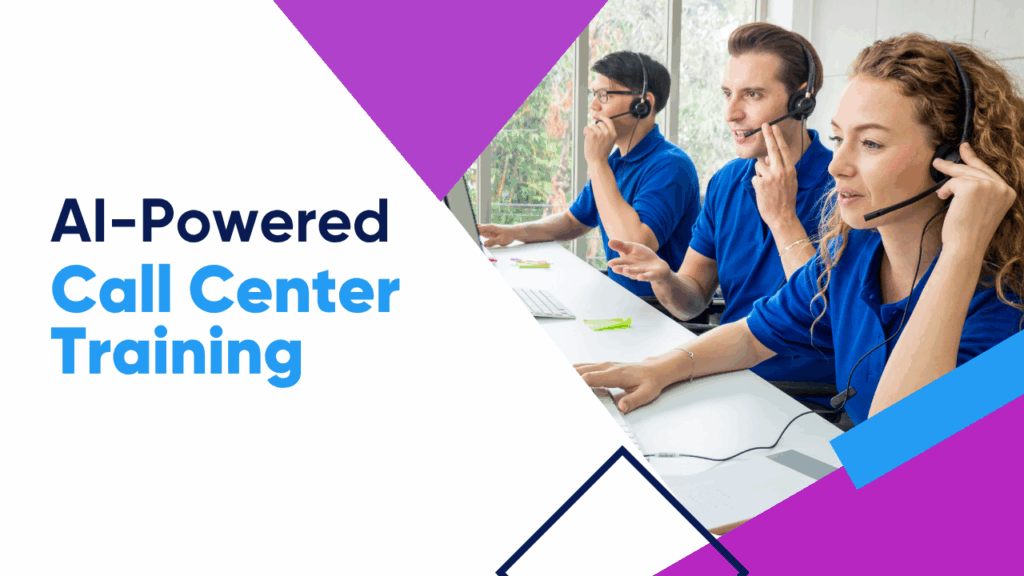
Customers today expect more than just scripts – they want to be able to communicate effectively and empathize with one another. A new generation of AI-powered training tools is reshaping how contact centers develop high-performing teams today. AI enables training to be more adaptive, data-driven, and impactful through real-time coaching and personalized feedback. Learn how AI can enhance customer experience and boost team performance in Call Center Training. Why AI-Powered Call Center Training Matters Traditional training methods — workshops, manuals, and one-time sessions — often fail to keep up with changing customer expectations. AI changes that by offering continuous learning experiences. With AI tools, you can: The result? Faster onboarding, better retention, and more confident agents ready to handle any situation. 1. Personalized Learning Paths for Every Agent No two agents learn the same way. AI analyzes an individual’s strengths, weaknesses, and performance data to create personalized learning paths. This ensures: Example: AI can detect an agent’s recurring struggle with empathy during calls and suggest modules or simulations focused on emotional intelligence. 2. Real-Time Feedback and Coaching Imagine having a digital coach that listens, evaluates, and guides — all in real time. AI systems can now analyze live conversations and provide instant suggestions to agents. For example: This immediate feedback loop helps agents learn by doing, resulting in faster skill mastery and improved performance. 3. Interactive Voice Simulations For Call Center Training AI-driven voice simulation platforms allow agents to practice conversations in realistic, risk-free environments. These simulations mimic customer emotions, accents, and scenarios to help agents build confidence before handling real calls. Benefits: Such immersive experiences are proven to enhance call handling quality and first-call resolution rates. 4. Gamification for Engagement Training doesn’t have to be boring. AI can gamify call center training with challenges, leaderboards, and rewards — turning routine learning into a fun, competitive experience. Gamification encourages: A motivated team is a productive team, and AI ensures learning stays both exciting and rewarding. 5. Predictive Analytics for Performance Improvement AI uses predictive analytics to forecast performance trends. For example, if data shows a pattern of long call durations, AI might identify underlying training gaps in product knowledge or communication style. By acting proactively, managers can implement targeted training interventions before small issues become major problems. 6. Data-Driven Quality Assurance For Call Center Training Gone are the days of manually reviewing call recordings. AI automates Quality Assurance (QA) by analyzing every call for tone, sentiment, and accuracy. This means: QA insights can then be integrated back into the training program — making it smarter and more personalized over time. 7. Continuous Learning Through Microlearning Instead of long, draining sessions, AI can deliver bite-sized microlearning modules directly to agents based on performance data. For instance, after an agent struggles with handling irate customers, the system might assign a short, focused module on de-escalation techniques. Microlearning ensures continuous growth without interrupting daily workflows. 8. Sentiment and Emotion Analysis AI tools analyze tone, pacing, and word choice to understand how customers feel during interactions. This sentiment analysis helps identify empathy gaps and areas for emotional intelligence training. Over time, agents learn to adapt their communication style — improving overall customer satisfaction (CSAT) and brand loyalty. 9. Seamless Integration with LMS and E-Learning Platforms Modern AI-powered call center training solutions integrate effortlessly with existing Learning Management Systems (LMS) and E-Learning platforms. This means organizations can continue using their preferred tools — while AI adds layers of automation, personalization, and analytics for a more robust training ecosystem. 10. Building a Culture of Continuous Improvement AI doesn’t just improve individual agents — it transforms organizational culture. By making feedback and learning a daily habit, teams become more proactive, adaptable, and growth-oriented. This continuous learning approach helps businesses: How Vocaliv’s AI Coach Transforms Call Center Training Vocaliv’s AI Coach is designed to make learning smarter and performance-driven. It empowers call center teams through: Whether you’re an L&D manager or training consultant, Vocaliv helps you streamline and supercharge your Call Center Training program. FAQs 1. How is AI used in call centers? AI is used in call centers to automate customer interactions, analyze conversations for insights, provide real-time agent assistance, and enhance customer experience through chatbots and voice analytics. 2. Can AI replace human trainers in call centers? No. AI enhances trainers’ capabilities by handling repetitive tasks and data analysis, allowing human trainers to focus on strategy and mentorship. 3.How long is call center training? Call center training typically lasts 2 to 6 weeks, depending on the company, role complexity, and products or services being supported. 4. What is the best training for call center agents? The best training for call center agents includes communication skills, product knowledge, customer service techniques, and AI-powered tools like Vocaliv for interactive, performance-based learning. Ready to Transform Your Call Center Training? Empower your call center agents with smarter, AI-driven learning.Explore how Vocaliv’s AI Coach can help you build high-performing, customer-focused teams that thrive in today’s digital-first world.