
AI in Education: Benefits, Use Cases, and Challenges
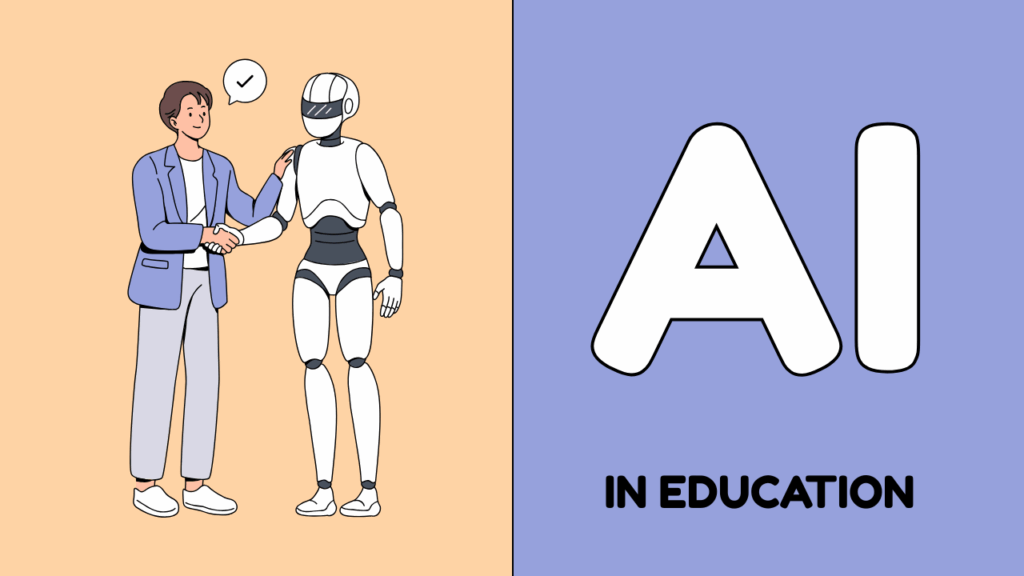
AI, or Artificial Intelligence, refers to machines and software that simulate human intelligence like decision-making, pattern recognition, and language processing. In education, AI tools are being developed to support teaching and learning, offering data-driven insights and automation. Think AI chatbots helping students with homework, voice recognition systems providing accessibility, or adaptive learning platforms that tailor content based on a student’s performance. Benefits of AI in Education 1. Personalized Learning AI-driven platforms adapt to individual learning styles and paces. Students struggling with a concept can receive more support, while advanced learners can be challenged with tougher material. Example: Tools like Socratic by Google or Khan Academy’s AI tutor offer explanations tailored to the learner’s level. 2. Administrative Automation Teachers spend a significant portion of their time grading, preparing materials, and handling repetitive tasks. AI helps by automating quiz grading, attendance, and even feedback generation. Example: Gradescope allows educators to grade standardized tests in minutes using AI pattern recognition. 3. Accessible Education AI-powered voice assistants and speech-to-text tools can help students with disabilities access content more easily. It also breaks down language barriers through real-time translation. Example: Microsoft’s Immersive Reader supports students with dyslexia or visual impairments. 4. Real-Time Feedback AI provides insights into how students are interacting with content—highlighting where they’re excelling and where they need help. This allows for timely interventions. Real-World Use Cases 1. Smart Content Creation AI tools help teachers generate lesson plans, quizzes, and interactive slides based on curriculum standards. Example: Vocaliv’s Lesson Plan Generator transforms a topic into a complete, editable lesson outline in seconds. 2. Virtual Tutors AI chatbots and voice assistants can answer student questions instantly, outside of school hours. Example: Duolingo’s AI tutor uses natural language processing to simulate human-like conversations for language learners. 3. Intelligent Learning Management Systems (LMS) Modern LMS platforms use AI to suggest content, track student progress, and enhance engagement. Example: Canvas LMS integrates AI to monitor class activity and predict performance outcomes. 4. Predictive Analytics for Student Success AI systems analyze student data to predict who might be at risk of falling behind and suggest timely interventions. Challenges of AI in Education 1. Data Privacy Concerns AI systems often require access to sensitive student data. Without proper safeguards, this can pose serious privacy risks. Solution: Institutions must use platforms compliant with data protection regulations like GDPR or COPPA. 2. Teacher Training & Resistance Many educators feel unequipped or hesitant to integrate AI into their classrooms due to a lack of training or fear of being replaced. Solution: Schools must invest in professional development programs and position AI as a support tool, not a replacement. 3. Accessibility & Digital Divide Not all students have access to the devices or internet connectivity needed for AI-driven tools. Solution: Policymakers need to prioritize infrastructure development and equitable tech access. 4. Ethical and Bias Issues AI tools can unintentionally reinforce biases if they are trained on skewed data. Solution: Developers must ensure their algorithms are transparent, fair, and regularly audited. Future Outlook of AI in Education As AI technology continues to evolve, its role in education is only expected to grow. Future classrooms could include AI-powered avatars delivering lectures, immersive AR/VR learning environments guided by AI, and predictive tools that craft personalized learning paths in real time. Investments in AI edtech are surging. According to HolonIQ, global edtech investment reached $20 billion in 2023, with a significant portion focused on AI-driven solutions. But even with all the tech advances, the heart of education will remain human. AI will assist—not replace—the creativity, empathy, and mentorship that teachers bring. FAQs: AI in Education Q1: Will AI replace teachers? No. AI is designed to support and enhance teaching, not to replace educators. Q2: What are some free AI tools for education? Tools like ChatGPT for brainstorming, Canva Magic Write, Vocaliv Lesson Planner, and Google Socratic are free and helpful. Q3: Is AI safe for student data? When used responsibly with proper encryption and compliance, AI platforms can be safe. Always check for privacy certifications. Q4: How can I start using AI in my classroom? Start small. Try AI lesson generators, automated quiz tools, or AI-powered grading apps. Conclusion: Empowering the Future of Learning AI in education is not just a buzzword—it’s a transformative force that’s already changing how we teach, learn, and interact in classrooms. From simplifying lesson planning to offering hyper-personalized student experiences, the benefits are vast. But for AI to truly succeed, we must be mindful of its challenges and use it ethically and inclusively. Whether you’re an educator exploring new tools or a school leader building a future-ready curriculum, embracing AI in education today means unlocking a smarter, more connected learning journey tomorrow.
AI Tools for Teachers: From Voice Cloning to Quiz Automation
AI tools for teachers are stepping in and saving the day. From AI voice cloning that brings storytelling to life to quiz automation tools that take the hassle out of grading, AI is revolutionizing education. In this blog, we’ll explore the most impactful AI tools that educators across the globe—including in the Middle East—are embracing to reclaim their time and enrich their classrooms. The Rise of AI in Education Artificial Intelligence is no longer a futuristic concept—it’s here, and it’s reshaping classrooms. Globally, the AI in education market is expected to grow to $20 billion by 2027, driven by increasing adoption in both K–12 and higher education. Educators now use AI for content creation, lesson planning, grading, and even real-time student feedback. Countries like Saudi Arabia and the UAE are heavily investing in EdTech, making AI tools more accessible to local teachers than ever before. Why AI Tools Matter for Teachers AI helps teachers: It allows teachers to focus on what really matters—student engagement and growth—while AI takes care of the heavy lifting in the background. Voice Cloning for Dynamic Teaching Imagine a classroom where historical figures narrate their own stories or where lessons are read aloud in a teacher’s own voice—even when they’re not there. That’s what AI voice cloning offers. Tools like Vocaliv, Murf.ai, Descript, and Resemble AI can replicate a teacher’s voice to create personalized audio content. For students with learning disabilities or language barriers, this can be a game changer. Use Case:A teacher records a lesson once using voice cloning software. The AI tool then delivers this lesson in multiple languages or tones, tailored to each student’s needs. This is particularly helpful in bilingual settings like the UAE. Quiz Automation: From Generation to Grading Quiz generation and grading are two of the most time-consuming tasks for teachers. But now, AI can: Popular tools include: These tools integrate with platforms like Google Classroom, making it seamless to assign, review, and record grades. Teachers in tech-forward schools in Riyadh and Dubai are already reporting 30% more time saved per week using these tools. Lesson Planning Made Smarter AI lesson plan generators are simplifying how educators build structured learning experiences. Tools like: help teachers draft plans aligned with Bloom’s taxonomy, national curriculum standards, and even learning styles. These platforms let teachers input a topic, grade level, and desired learning outcomes, and the tool delivers a complete lesson plan in seconds—slides included! Collaboration and Feedback Tools Feedback plays a crucial role in student success. AI tools such as: allow teachers to provide real-time insights, suggest improvements, and offer encouragement automatically. In regions with high student-to-teacher ratios—like some public schools in KSA—this ensures no learner is left behind. The Future of AI in the Classroom As AI becomes more refined, we’ll see: Governments in the Gulf are prioritizing AI literacy for educators and investing in infrastructure to support AI-powered classrooms. The result? More intuitive, inclusive, and impactful learning. FAQs 1. What are the best AI tools for teachers? Tools like Vocaliv, Murf.ai, Quizizz, and ChatGPT lesson planners are highly rated for classroom use. 2. Can AI help reduce teacher workload? Yes! Automating lesson planning, grading, and feedback significantly reduces time spent on administrative tasks. 3. Is AI voice cloning ethical for use in schools? When used with proper consent and transparency, voice cloning can enhance engagement without compromising ethics. 4. How do I get started with AI tools? Start small—try a free quiz generator or lesson planner, and gradually integrate more tools based on classroom needs. AI tools for teachers—from voice cloning to automated grading—are transforming how educators plan, teach, and connect. By embracing these tools, teachers in KSA, UAE, and beyond can create more engaging, efficient, and inclusive learning environments. The future of teaching isn’t just digital—it’s intelligent.
The Best EdTech Tools for Teachers in KSA & UAE
Teachers in Saudi Arabia (KSA) and the UAE are under increasing pressure to deliver engaging, tech-savvy lessons while juggling administrative work, student performance tracking, and lesson planning — all in two languages. You may find yourself struggling to keep up with new platforms, battling unreliable internet in some regions, or wishing you had tools to make grading faster and lessons more interactive. With the digital wave hitting classrooms across the GCC, it’s easy to feel left behind if you’re not leveraging the latest EdTech tools.Fortunately, there’s an expanding list of powerful, teacher-friendly EdTech tools for teachers in KSA & UAE that are designed to simplify your job, personalize learning, and align with both Arabic and international standards. Whether you’re teaching in Riyadh or Dubai, this guide highlights the most impactful digital tools you can start using today. The EdTech Boom in KSA & UAE: What’s Driving It? EdTech in the Gulf is booming — and for good reason. Both Saudi Arabia and the UAE have launched major digital transformation initiatives, like Saudi Vision 2030 and the UAE’s National Strategy for Artificial Intelligence. These programs prioritize smart education as a pillar of development. A recent PwC report noted that EdTech in the Middle East is expected to grow by over 13% annually, driven by tech-savvy youth, high smartphone penetration, and government investments in smart classrooms. Platforms like Madrasati in Saudi Arabia and UAE’s Smart Learning Program are evidence that EdTech is no longer optional — it’s essential. In fact, a survey by Anthology in 2024 found that 49% of Saudi university students believe AI will revolutionize how they learn. Teachers, naturally, play a key role in making that revolution meaningful. Types of EdTech Tools Every Gulf Teacher Should Know To make the most of your classroom experience, it helps to know which categories of tools are most useful. Here are the major types of EdTech tools for teachers in KSA & UAE: Top-Rated EdTech Tools for Teachers in KSA & UAE Let’s break down some of the most popular and effective tools currently used across the Kingdom and the Emirates: 1. Vocaliv An AI-powered 24/7 teaching assistant designed to help educators automate lesson planning, grading, and content generation. Vocaliv supports voice cloning, interactive quiz creation, and real-time student performance insights. Especially useful in bilingual classrooms across KSA and UAE, it empowers teachers to personalize learning and save time every week. 2. Socrative Allows quick formative assessments and instant feedback. Studies in Saudi classrooms show that using Socrative with smartphones significantly improves student collaboration. 3. EdPuzzle Used to turn videos into interactive assignments. Teachers can embed questions in YouTube videos and track student understanding — ideal for flipped classrooms in UAE schools. 4. VIPKid (Arabic Program) Though originally a Chinese ESL platform, VIPKid has launched Arabic-focused programs in Saudi Arabia. It’s a great platform for language teachers. 5. Dawrat A regional platform offering thousands of Arabic and bilingual online courses. Useful for professional development and classroom enrichment. Why Teachers Love These Tools Here’s how EdTech is helping teachers across the Gulf: Barriers and Challenges in Adopting EdTech Despite the enthusiasm, some challenges remain: Governments and private firms are working to bridge these gaps, but progress varies by region and institution. The Future of EdTech in the Gulf The outlook is bright. Emerging trends in EdTech for teachers in KSA & UAE include: Empowering Gulf Educators for a Digital Future The best EdTech tools for teachers in KSA & UAE aren’t just about keeping up with trends — they’re about making teaching more effective, inclusive, and inspiring. With governments investing in smart learning and private EdTech startups responding to local needs, the Gulf region is on the edge of an educational transformation. Whether you’re a primary school teacher in Riyadh or a university lecturer in Abu Dhabi, now is the time to embrace the tools that will define tomorrow’s classroom. Start small, explore the options, and empower yourself — and your students — through smart teaching.
How to Automatically Generate and Grade Quizzes with AI
Creating quizzes manually is time-consuming, tedious, and often repetitive. Grading them afterward? Even worse. For educators, trainers, and content creators, this repetitive cycle can eat up hours that could be better spent teaching or improving content.Imagine spending your Sunday night writing questions from scratch, aligning them with your curriculum, double-checking the answer keys, and preparing grading rubrics — only to find out the results aren’t giving you clear insights into student understanding. Frustrating, right? Manual quiz creation and grading doesn’t just waste time — it limits your ability to provide personalized feedback, analyze performance trends, or scale your teaching efficiently. Enter the world of AI quiz generators and auto-grading tools — smart platforms that allow you to generate and grade quizzes automatically in a matter of minutes. With the right tools and approach, you can streamline assessments, personalize learning, and elevate the entire experience for both educators and learners. What Does It Mean to Generate and Grade Quizzes with AI? To generate and grade quizzes with AI means using smart software powered by artificial intelligence to create assessments and evaluate answers — all automatically. These tools can draft questions based on documents, prompts, or learning outcomes, and then provide real-time grading using answer keys or adaptive scoring models. Whether you’re a teacher crafting classroom assessments, a corporate trainer building compliance quizzes, or a coach creating certification tests, AI-powered platforms take care of the heavy lifting — from question creation to insightful analytics. Top Tools That Let You Generate and Grade Quizzes Automatically Let’s take a look at some popular and emerging tools you can use today: Each platform varies in pricing, customization, and analytics, but all make it easier to generate and grade quizzes automatically with minimal manual effort. How AI Quiz Generation Works Behind the Scenes AI quiz generation tools leverage natural language processing (NLP) and large language models (LLMs) to: AI isn’t just copying and pasting — it’s creating personalized, adaptive quizzes that make learning more engaging and efficient. Auto-Grading: Fast, Fair, and Insightful Once the quiz is generated and distributed, auto-grading takes over. These systems use: Platforms like Google Forms and ProProfs provide real-time scoring dashboards, visualizing individual and group performance. These insights help educators identify learning gaps and take immediate action. Use Cases: Where Auto Quiz Tools Shine Here’s how different users benefit from tools that generate and grade quizzes automatically: Key Benefits of Automating Quiz Generation and Grading Challenges to Consider While AI tools are game-changers, they’re not perfect: Future Trends in AI-Based Quiz Creation The future looks even smarter: Google’s Gemini for Education, for example, is already embedding quiz generation into its suite — making it even easier for teachers to adapt on the fly. FAQs: Q1: Can I really generate and grade quizzes automatically with AI?Yes! Tools like Google Forms, ProProfs, and Smallpdf make it easy to auto-create and auto-score quizzes with little to no manual work. Q2: Are AI-generated quiz questions accurate?Generally, yes — but always review the output. The technology is improving fast, but human oversight is key. Q3: Can I make quizzes from a PDF or textbook?Absolutely. Tools like Smallpdf and ProProfs allow you to upload content and convert it into multiple quiz formats. Q4: Will the system provide feedback to students?Most auto-grading tools offer instant feedback, answer explanations, and even certificates upon completion. If you’re still writing every quiz by hand and spending hours grading, it’s time to upgrade your toolkit. With AI-powered platforms, you can generate and grade quizzes automatically, save time, improve outcomes, and deliver a more personalized learning experience. Whether you’re an educator, trainer, or content creator — embracing this technology isn’t just convenient, it’s essential for scaling quality assessment in a digital world. Give it a try — and quiz smarter, not harder.
Still Using Old-School Teaching Methods? Here’s the Smarter Way Forward
Many educators today feel overwhelmed by the widening gap between student expectations and outdated classroom methods. While the world moves ahead with AI, personalized learning, and real-time analytics, countless schools are still clinging to chalkboards, one-size-fits-all lectures, and traditional assessments. This isn’t just a matter of preference; it’s a serious roadblock to student engagement, teacher efficiency, and meaningful academic outcomes. Old-school teaching practices limit innovation, ignore individual learning differences, and can lead to burnout for educators stuck repeating the same rigid routines. Students today crave relevance, interactivity, and digital fluency, not rows of desks and passive lectures. It’s time to make the shift. Enter smarter teaching methods: a forward-thinking approach powered by AI, adaptive learning, and tools that empower both educators and learners. In this guide, we’ll explore how you can ditch the outdated practices and embrace methods that truly resonate in today’s classrooms. What Are Old-School Teaching Methods? Old-school teaching methods refer to conventional strategies like rote memorization, lecture-based delivery, and standardized testing. These approaches focus more on content delivery than student engagement. They treat all students the same, ignoring the nuances of individual learning styles, interests, and capabilities. Teachers typically act as the sole source of information, while students passively receive knowledge. Common tools include blackboards, textbooks, and paper-based exams. Though these methods served their purpose in the past, they often fail to meet the expectations of 21st-century learners. Key Limitations of Traditional Teaching Old-school teaching also neglects the potential of technology to make education more inclusive, dynamic, and responsive. The “one-size-fits-all” approach is no longer viable when every learner brings unique experiences, needs, and digital fluency to the classroom. What Today’s Learners Really Need Modern students require more than just information; they need interactive and meaningful learning experiences. Here’s what they’re looking for: 21st-century education calls for digital classrooms that are inclusive and flexible. Students want a say in how they learn, and they benefit from tools that make complex concepts understandable and relevant. They’re used to YouTube tutorials, podcasts, and personalized app experiences. Why should education be any different? Technology’s Role in Modern Education The shift from old-school teaching methods to smarter alternatives wouldn’t be possible without advancements in education technology. Let’s look at a few innovations transforming classrooms: These tools support adaptive learning paths where students receive customized content based on their performance. Unlike old-school methods, AI tools can assess, adapt, and assist in real-time. Not only does this free up teacher time, but it also boosts student outcomes through personalized support. Education technology bridges the gap between traditional content and modern delivery. It brings flexibility, inclusivity, and efficiency into a system that desperately needs all three. What Are Smarter Teaching Methods? Smarter teaching methods utilize technology, real-time data, and student-centered strategies to enhance learning. Instead of relying solely on lectures and textbooks, educators use tools like: These methods adapt based on learner progress, improving retention and engagement. Importantly, they empower teachers rather than replace them, automating routine tasks so teachers can focus on coaching, mentoring, and creative instruction. Benefits of Smart Teaching Over Old Methods Making the shift from traditional to smarter teaching offers a wide range of benefits: Common Myths About AI and Modern Teaching Dispelling these myths is key to encouraging wider adoption. FAQs Q1: What are traditional vs modern teaching methods?Traditional methods rely on lectures and standardized tests; modern methods use tech, interaction, and personalization. Q2: Are smart classrooms effective?Yes, they boost engagement, performance, and reduce teacher workload. Q3: How does AI support teaching?By automating tasks, generating content, and offering real-time insights. Q4: What tools do modern teachers use?Platforms like Vocaliv, Google Classroom, and Edmodo. The Smarter Way Forward Education is evolving, and it’s time we evolve with it. Old-school teaching served us once, but today’s learners need more: personalization, interaction, and real-time support. By embracing smarter methods and tools like Vocaliv, educators can deliver better outcomes without burning out. The classroom of the future isn’t about replacing teachers, it’s about empowering them. So, let go of outdated strategies and take the smarter path forward.
10 EdTech Trends to Watch in 2026

Traditional education models are struggling to keep pace with the rapidly evolving digital world. Students and educators alike are grappling with outdated tools and rigid systems that don’t support modern learning styles or the fast-changing demands of the job market. As classrooms become increasingly diverse and digital-native learners demand personalized, engaging, and inclusive education, ignoring the latest EdTech trends means falling behind. Educational institutions that resist innovation risk creating disengaged learners and overwhelmed teachers. Fortunately, 2026 is bringing a wave of EdTech trends that are revolutionizing how we teach and learn. From AI-powered learning assistants to immersive virtual classrooms, these innovations offer practical solutions to modern educational challenges. In this blog, we’ll explore the top 10 EdTech trends to watch in 2026, backed by real stats and insights to help you stay ahead. 1. AI-Driven Personalized Learning Systems in 2026 Artificial Intelligence (AI) continues to redefine the landscape of personalized education. In 2026, adaptive learning platforms like Squirrel AI and Microsoft Reading Coach are using machine learning algorithms to tailor content to individual student needs. According to HolonIQ, global EdTech investment reached $16.1 billion in 2023, with a major focus on AI. Personalized learning through generative AI allows educators to offer custom lesson plans, instant feedback, and targeted remediation, transforming classrooms into adaptive environments. This EdTech trend not only improves learning outcomes but also increases student engagement and retention by catering to diverse learning styles and paces. 2. Immersive Learning: VR, AR & Extended Reality Virtual Reality (VR), Augmented Reality (AR), and Extended Reality (XR) are making learning more immersive than ever. By 2026, over 70% of higher education institutions are expected to implement some form of immersive technology in their curriculum. Students can now take virtual field trips to ancient civilizations, conduct virtual science experiments, or engage in real-world simulations all from their classrooms. Platforms like ClassVR and zSpace are leading the way in immersive EdTech. Immersive learning enhances knowledge retention and student motivation, particularly in STEM fields, by making abstract concepts tangible and interactive. 3. Microlearning, Nanolearning & Digital Badges As attention spans shrink and upskilling needs grow, microlearning and nanolearning have emerged as critical EdTech trends in 2026. These bite-sized, focused modules allow learners to absorb information quickly and effectively. Digital badges and microcredentials are increasingly recognized by employers. According to LinkedIn Learning, 74% of employees want to learn during spare time at work making short-form learning ideal. EdTech platforms like Coursera, Udemy, and edX offer badge-based certification programs that validate skills and promote lifelong learning. 4. Hybrid & Flexible Learning Models Hybrid and flexible learning models are becoming the norm in 2026. Blended education combines online and offline experiences, enabling asynchronous learning, flipped classrooms, and customized pacing. Learning Management Systems (LMS) like Canvas and Moodle are central to this shift, providing centralized content delivery, assessments, and analytics. According to McKinsey, students in hybrid models report 60% higher satisfaction due to flexibility and self-paced learning. These EdTech trends accommodate diverse learning styles, ensure accessibility, and support better work-life balance for students and educators alike. 5. Cloud Computing, Cybersecurity, and Device Management As digital classrooms expand, cloud computing has become essential. It enables scalable content delivery, seamless collaboration, and centralized storage. In 2026, over 90% of educational institutions use cloud-based solutions like Google Workspace for Education and Microsoft 365. However, the rise in cloud use also increases cybersecurity risks. FERPA compliance, student data privacy, and secure access management are now key priorities. The global EdTech cybersecurity market is projected to grow to $8.3 billion by 2026. Device management tools and multi-factor authentication systems are becoming standard to ensure safe digital learning environments. 6. Predictive Analytics & Early Intervention Predictive analytics is an AI application helping educators identify at-risk students and intervene early. By analyzing student behavior, attendance, and performance, EdTech platforms can alert teachers before problems escalate. Tools like Civitas Learning and BrightBytes use real-time dashboards and visual analytics to improve decision-making and personalize instruction. In 2026, expect widespread adoption of learning analytics in both K-12 and higher education. This EdTech trend supports improved graduation rates, early intervention, and data-driven education strategies. 7. AI Guardrails, Ethics & Digital Literacy As AI becomes integral to education, ethical considerations are paramount. In 2026, AI guardrails, including bias checks, transparency, and data privacy protocols, are being built into EdTech platforms. Students must be taught digital literacy not just how to use technology, but how to question and understand it. Initiatives like the AI for K-12 framework emphasize ethical AI awareness, critical thinking, and responsible digital citizenship. According to UNESCO, over 50 countries have introduced AI ethics and digital literacy in their national education policies, highlighting the global relevance of this trend. 8. AI Teaching Assistants & Virtual Tutors AI teaching assistants are revolutionizing support in classrooms. In 2026, tools like Khanmigo by Khan Academy and Kira Learning provide 24/7 help with homework, grading, and real-time Q&A. These virtual tutors use NLP (natural language processing) to understand context and provide conversational assistance to learners. According to EdSurge, 67% of educators using AI assistants reported increased productivity and reduced workload. This trend makes education more efficient, scalable, and personalized for every learner. 9. Accessible & Inclusive AI Accessibility is a major focus among 2026 EdTech trends. Tools like Audemy are designed specifically for visually impaired students, using AI to convert educational content into interactive audio lessons. Other EdTech platforms incorporate voice-to-text, subtitles, screen readers, and multilingual support. According to the World Health Organization, over 1 billion people live with some form of disability and inclusive EdTech is helping bridge that gap. By promoting equity and inclusivity, these technologies ensure no learner is left behind. 10. EdTech Investment & Market Trends in 2026 The EdTech market is evolving rapidly. While venture capital funding dipped slightly in 2023, the shift toward sustainable, AI-driven solutions has reignited investor interest in 2026. Governments worldwide are increasing education budgets, with the U.S. investing $1.4 billion in AI-focused education initiatives. Countries like KSA and the UAE are also
How to Study More Effectively: Strategies to Strengthen Your Weakest Subjects

Are you struggling with certain subjects, or do you feel like you’re putting in hours of study but not seeing the results you want? You’re not alone. Many students and professionals feel this way. The good news is that working harder isn’t always the solution. You don’t need to burn yourself out to succeed. Instead, it’s time to learn how to study smarter. Studying smarter means strategically focusing on your weak points and improving them with targeted techniques that work for your learning style. By aligning your study methods with your unique challenges, you can enhance your productivity, absorb information more efficiently, and retain it for the long term. In this guide, we will explore practical methods that match your weak points, helping you unlock your full academic potential. With the right approach, you can make the most of your study time, whether you’re preparing for an exam or mastering a new skill. 1. Identifying Your Weak Points in Learning The first step in studying smarter is understanding where you need improvement. Identifying your weak points requires honest self-reflection. Are you struggling with certain topics, concepts, or tasks? Do you find it difficult to retain information or focus during study sessions? Here are a few methods to assess your strengths and weaknesses: By understanding your weak points, you can build a study plan that targets the areas where you need the most improvement, allowing you to work smarter, not harder. 2. The Science Behind Studying Smarter When it comes to studying smarter, the key is to leverage cognitive science principles. Our brains process information in complex ways, and by understanding how these processes work, you can tailor your study methods to be more effective. Here are some science-backed strategies to study smarter: These cognitive science principles can be applied to any area of study, helping you to study smarter by focusing on your weak points and improving your retention over time. 3. Setting SMART Goals for Effective Study One of the most important strategies for studying smarter is setting clear, actionable goals. The SMART goal-setting framework can help you create goals that are specific, measurable, achievable, relevant, and time-bound. This ensures you stay on track and are able to assess your progress. Here’s how to apply the SMART framework: By setting SMART goals, you give yourself a clear roadmap to follow, which makes studying smarter more structured and less overwhelming. 4. Creating a Study Plan That Targets Weak Areas Once you’ve identified your weak points and set SMART goals, it’s time to create a study plan that addresses those areas. A personalized study plan helps you focus on the subjects and skills that need the most attention. Here’s how to create a study plan: By following a personalized study plan, you can ensure that your study sessions are tailored to your specific weaknesses and designed to help you improve faster. 5. Building Effective Study Habits The key to success in studying smarter is consistency. Building effective study habits is crucial for improving your weak points. The more disciplined and organized your study routine, the more you’ll be able to focus on your weak areas without distractions. Here are a few tips to build strong study habits: By building these study habits, you will improve your overall productivity and be better equipped to tackle your weak points head-on. 6. Active Learning Techniques for Weak Areas When you study smarter, it’s essential to engage actively with the material rather than passively reading through notes. Active learning techniques, such as teaching the material, self-quizzing, and summarization, help reinforce your understanding and improve retention. Here’s how to use active learning to study smarter: Active learning techniques make studying more engaging and help you focus on areas where you’re weak. The more actively you engage with the material, the more likely you are to retain it. 7. Utilizing Technology and Resources In today’s digital age, there are countless tools and resources that can help you study smarter. Technology can be a powerful ally in strengthening your weak points and improving your learning efficiency. Here’s how to leverage technology: Technology is an excellent resource to enhance your study efforts and match your weak points with the most effective tools for improvement. 8. FAQs: Common Questions About Studying Smarter What are the best strategies to improve weak subjects? Active learning, spaced repetition, and seeking feedback are some of the best strategies to improve weak subjects. Make sure to allocate extra time to these areas and use study techniques that engage your brain more deeply. How can I stay motivated when focusing on weak areas? Breaking your study sessions into smaller tasks and celebrating small victories can keep you motivated. It also helps to remember that improving weak areas will lead to overall success. Are there specific resources for different learning styles? Yes, there are many resources tailored to different learning styles. Visual learners can use diagrams and videos, while auditory learners might prefer podcasts or lectures. Adapt your study tools to match your learning style for optimal results. By focusing on your weak points and applying the strategies outlined above, you can study smarter, not harder. With the right mindset, tools, and techniques, you’ll be able to tackle any challenge and improve your learning outcomes. Whether you’re a student or a professional, these methods will help you unlock your full potential and achieve your goals. Happy studying!
Can AI Teachers Replace Human Teachers? Pros and Cons
Can AI teachers replace human educators? Explore the pros and cons.
10 AI Tools Every Teacher Should Know About
Teaching today involves juggling lesson planning, grading, and administrative tasks, often leading to burnout. With limited time and resources, delivering personalized and engaging education becomes challenging. Artificial Intelligence (AI) offers tools that streamline these tasks, enhancing teaching efficiency and student engagement. A 2023 study by the University of San Francisco found that AI tools like ChatGPT can assist educators in drafting research and structuring academic papers, thereby speeding up academic workflows while preserving the creative and intellectual input of teachers. Financial Times Criteria for Selecting the Top AI Tools for Teachers When evaluating AI tools for educators, consider: Top 5 AI Tools Every Teacher Should Know About 1. MagicSchool.ai: The Comprehensive AI Assistant for Educators MagicSchool.ai is like having a digital teaching assistant by your side. With over 60 AI-powered tools, it helps educators streamline lesson planning, automate administrative tasks, generate student feedback, and even create IEP (Individualized Education Program) content. It’s trusted by millions of teachers worldwide for its time-saving efficiency and educator-first design. 2. Eduaide.ai: Streamlining Lesson Planning and Resource Creation Eduaide.ai acts as a one-stop shop for lesson development. It allows teachers to generate high-quality teaching resources, learning activities, assessments, and feedback — all tailored to curriculum standards. Its built-in personalization tools make it easy to differentiate instruction for diverse learning needs. 3. Vocaliv: Your 24/7 AI Teaching Companion Vocaliv is revolutionizing personalized learning as a 24/7 AI teacher. It engages students through real-time, interactive teaching sessions powered by generative AI. Whether it’s breaking down complex concepts, generating dynamic lessons on the fly, or answering follow-up questions in real time, Vocaliv adapts to each student’s pace and learning style. 4. Brisk Teaching: Enhancing Classroom Management and Feedback Brisk Teaching integrates directly into your browser and tools like Google Docs and Slides. With just a few clicks, it can adjust reading levels, generate standards-aligned feedback, and differentiate content. It’s ideal for real-time scaffolding and classroom management support. 5. Curipod: Creating Interactive and Engaging Lessons Curipod empowers teachers to create interactive slides packed with polls, word clouds, open-ended questions, and more — perfect for sparking curiosity and classroom discussion. Its AI features help generate engaging content quickly, making it especially useful for teachers looking to gamify learning and keep students actively involved. Additional 5 AI Tools Every Teacher Should Know About 6. Canva for Education: Designing Visually Appealing Educational Content Canva for Education offers templates for presentations, worksheets, and infographics, enhancing visual learning. It integrates with various educational platforms and is used by over 85 million students and teachers in more than 600,000 schools. 7. Gradescope: Streamlining Grading and Assessment Gradescope provides AI-assisted grading for assignments and exams, reducing grading time and providing consistent feedback. It is adopted by numerous educational institutions to streamline assessment processes. 8. ChatGPT: Assisting with Content Creation and Student Interaction ChatGPT aids in generating explanations, answering queries, and creating content, supporting personalized learning and lesson planning. Educators are finding creative ways to integrate ChatGPT into classrooms, such as explaining simpler topics and freeing time for deeper discussions. 9. Turnitin: Ensuring Academic Integrity Turnitin offers plagiarism detection and writing feedback, promoting original work and educating students on proper citation. It integrates with various learning management systems to maintain academic integrity. 10. Quillionz: Generating Assessment Questions Efficiently Quillionz creates quizzes and assessment questions based on content, saving time and ensuring alignment with learning objectives. It is suitable for both formative and summative assessments. Frequently Asked Questions (FAQs) Q1: How can AI tools benefit teachers in the classroom? AI tools automate routine tasks, provide personalized learning experiences, and enhance student engagement. Q2: Are AI tools user-friendly for teachers with limited tech experience? Many AI tools are designed with intuitive interfaces and offer tutorials to assist users. Q3: Do AI tools replace the need for teachers? No, AI tools are meant to assist and augment teaching, not replace educators. Integrating AI Tools into Teaching Practices Integrating AI tools like Vocaliv into teaching practices can significantly enhance efficiency, personalize learning, and improve student engagement. By embracing these technologies, educators can focus more on facilitating meaningful learning experiences and less on administrative burdens
How to automate lesson planning with AI

Teachers are overworked. From grading to managing classrooms, and especially lesson planning, the workload can be overwhelming. Traditional lesson planning can take up to 10 hours per week, according to a study by the Bill & Melinda Gates Foundation. That’s time teachers could spend focusing on students instead of formatting PowerPoints or aligning standards. Imagine spending hours each week crafting lesson plans, only to find they aren’t engaging enough or don’t accommodate all student needs. You’re constantly tweaking, rewriting, and rethinking. It’s exhausting. And while you’re juggling everything, your energy and creativity begin to fade. Enter AI-powered lesson planning. With the rise of AI in education, tools like Vocaliv now exist to streamline, personalize, and automate lesson planning—saving teachers time, improving lesson quality, and helping students learn better. This guide will walk you through how to automate lesson planning with AI and reclaim your time. Understanding AI in Lesson Planning What is AI-Powered Lesson Planning? Artificial Intelligence (AI) refers to machines that simulate human intelligence—like learning, reasoning, and problem-solving. In education, AI is being used to create personalized, efficient, and scalable solutions for both students and teachers. Automated teaching tools and adaptive learning systems can generate tailored lesson plans, quizzes, and activities based on inputs like subject, grade level, learning objectives, and even individual student needs. AI lesson planning systems use natural language processing (NLP) and machine learning to analyze educational content, standards, and learner profiles. The result? Smart lesson suggestions that are aligned with your curriculum and ready to use. Key Benefits of Automating Lesson Planning with AI Top AI Tools for Lesson Planning Here are the most popular and effective platforms to help you automate lesson planning: How AI Enhances Different Stages of Lesson Planning With intelligent tutoring systems, teachers no longer need to reinvent the wheel for every class. Implementing AI in Your Lesson Planning Workflow Step-by-Step Guide to Automating Lesson Planning with AI Step 1: Define your learning objectives clearly (e.g., “Understand photosynthesis in 7th grade biology”). Step 2: Choose an AI tool that suits your subject and teaching style. Step 3: Input key parameters like grade, standards, and topic. Tools like Eduaide and Brisk allow this easily. Step 4: Review the generated lesson plan. You can often customize the tone, format (lecture, discussion, activity), and even include multimedia. Step 5: Deploy in class and collect feedback from students. Many platforms offer integrations with Google Classroom and Microsoft Teams. Best Practices for Effective AI Integration Future Trends in AI and Lesson Planning As smart classroom solutions evolve, lesson planning will become more agile, inclusive, and data-driven. Embracing the Future of Education with AI Automating lesson planning with AI isn’t just about saving time—it’s about elevating the entire learning experience. By offloading repetitive tasks, teachers can focus more on teaching and mentorship. Whether you’re new to edtech or a digital native, AI has a place in your planning toolkit. Embrace it, experiment with it, and let it empower your teaching journey. FAQs: 1. How does AI personalize lesson plans? AI analyzes student data (performance, learning style, pace) to generate customized content, improving understanding and retention. 2. Can AI lesson plans align with curriculum standards? Yes. Tools like Eduaide and Radius include Common Core, NGSS, and local standards by default. 3. What are the limitations of AI in lesson planning? AI can’t fully understand classroom dynamics, and generated content must still be reviewed for accuracy. 4. Do teachers need coding skills to use these tools? No. Most AI lesson planning tools are drag-and-drop or wizard-based. 5. How can I verify the quality of AI-generated content? By cross-checking with reputable sources, running lessons in small groups first, and refining based on feedback.dit or delete it, then start writing!