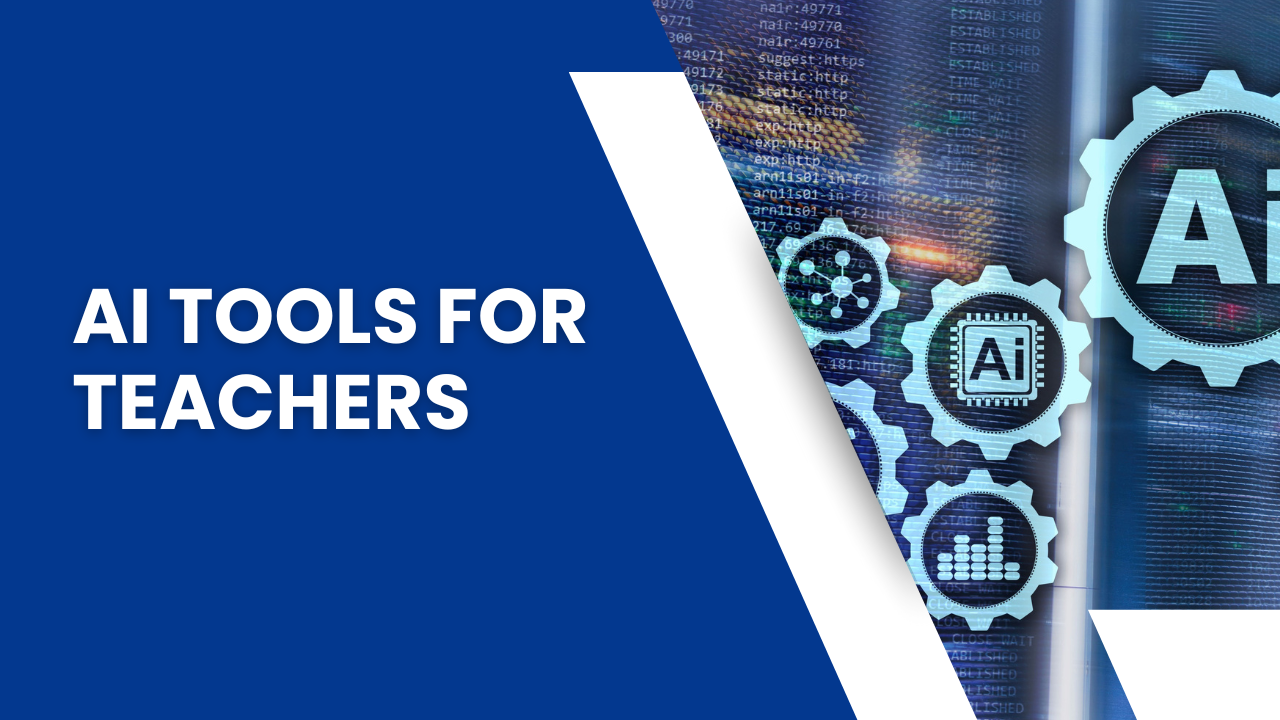
AI tools for teachers are stepping in and saving the day. From AI voice cloning that brings storytelling to life to quiz automation tools that take the hassle out of grading, AI is revolutionizing education. In this blog, we’ll explore the most impactful AI tools that educators across the globe—including in the Middle East—are embracing to reclaim their time and enrich their classrooms.
The Rise of AI in Education
Artificial Intelligence is no longer a futuristic concept—it’s here, and it’s reshaping classrooms. Globally, the AI in education market is expected to grow to $20 billion by 2027, driven by increasing adoption in both K–12 and higher education.
Educators now use AI for content creation, lesson planning, grading, and even real-time student feedback. Countries like Saudi Arabia and the UAE are heavily investing in EdTech, making AI tools more accessible to local teachers than ever before.
Why AI Tools Matter for Teachers
AI helps teachers:
- Automate repetitive tasks like quiz grading.
- Personalize learning experiences.
- Make learning more interactive and accessible.
- Save time on lesson planning.
It allows teachers to focus on what really matters—student engagement and growth—while AI takes care of the heavy lifting in the background.
Voice Cloning for Dynamic Teaching
Imagine a classroom where historical figures narrate their own stories or where lessons are read aloud in a teacher’s own voice—even when they’re not there.
That’s what AI voice cloning offers. Tools like Vocaliv, Murf.ai, Descript, and Resemble AI can replicate a teacher’s voice to create personalized audio content. For students with learning disabilities or language barriers, this can be a game changer.
Use Case:
A teacher records a lesson once using voice cloning software. The AI tool then delivers this lesson in multiple languages or tones, tailored to each student’s needs. This is particularly helpful in bilingual settings like the UAE.
Quiz Automation: From Generation to Grading
Quiz generation and grading are two of the most time-consuming tasks for teachers. But now, AI can:
- Generate quizzes from PDFs, lesson notes, or even websites.
- Auto-grade both objective and subjective questions.
- Provide instant feedback to students.
Popular tools include:
- Vocaliv: Allows teachers to turn content into quizzes and grade them in real-time.
- Quizizz: Offers gamified, auto-graded quizzes.
- Formative: Great for open-ended and formative assessments.
These tools integrate with platforms like Google Classroom, making it seamless to assign, review, and record grades. Teachers in tech-forward schools in Riyadh and Dubai are already reporting 30% more time saved per week using these tools.
Lesson Planning Made Smarter
AI lesson plan generators are simplifying how educators build structured learning experiences. Tools like:
- Vocaliv
- Curipod, and
- MagicSchool.ai
help teachers draft plans aligned with Bloom’s taxonomy, national curriculum standards, and even learning styles.
These platforms let teachers input a topic, grade level, and desired learning outcomes, and the tool delivers a complete lesson plan in seconds—slides included!
Collaboration and Feedback Tools
Feedback plays a crucial role in student success. AI tools such as:
- Gradescope (by Turnitin),
- Khanmigo (AI tutor by Khan Academy), and
- Socratic by Google
allow teachers to provide real-time insights, suggest improvements, and offer encouragement automatically.
In regions with high student-to-teacher ratios—like some public schools in KSA—this ensures no learner is left behind.
The Future of AI in the Classroom
As AI becomes more refined, we’ll see:
- Predictive analytics for identifying at-risk students.
- Adaptive learning pathways for personalized progress.
- Integration with Augmented Reality (AR) and Virtual Reality (VR).
Governments in the Gulf are prioritizing AI literacy for educators and investing in infrastructure to support AI-powered classrooms. The result? More intuitive, inclusive, and impactful learning.
FAQs
1. What are the best AI tools for teachers?
Tools like Vocaliv, Murf.ai, Quizizz, and ChatGPT lesson planners are highly rated for classroom use.
2. Can AI help reduce teacher workload?
Yes! Automating lesson planning, grading, and feedback significantly reduces time spent on administrative tasks.
3. Is AI voice cloning ethical for use in schools?
When used with proper consent and transparency, voice cloning can enhance engagement without compromising ethics.
4. How do I get started with AI tools?
Start small—try a free quiz generator or lesson planner, and gradually integrate more tools based on classroom needs.
AI tools for teachers—from voice cloning to automated grading—are transforming how educators plan, teach, and connect. By embracing these tools, teachers in KSA, UAE, and beyond can create more engaging, efficient, and inclusive learning environments. The future of teaching isn’t just digital—it’s intelligent.