
How AI is Transforming the Traditional Student-Teacher Interaction Model
For years, traditional education relied on rigid classroom structures, where the teacher delivered and the student received. While effective in some cases, it often fails to meet the diverse needs of modern learners. The result is a loss of engagement for many students, a reduction in meaningful interaction, and a sacrifice of meaningful interaction for efficiency. The administrative load on teachers is overwhelming, and the learning gaps between students are often unnoticed. There is a lack of adaptability in the traditional teacher interaction model in today’s fast-paced, tech-driven world. Since online and hybrid education has grown in popularity, the need for more dynamic, personalized, and scalable interaction models has become more urgent. Enter Artificial Intelligence (AI), a game-changer for classrooms worldwide. The use of AI is transforming the way students interact with teachers, transforming the teacher from an information dispenser to a mentor and facilitator. Through personalized learning pathways, real-time analytics, and intelligent automation, artificial intelligence is transforming classrooms so that both students and teachers can thrive. 1. What Is a Teacher Interaction Model? Educator interaction models outline the ways educators interact with students to promote learning, support emotional growth, and maintain classroom organization. It encompasses everything from instructional methods to how feedback is delivered and how student creativity is encouraged. Classic frameworks, like Pianta’s CLASS model, divide teacher-student interactions into three domains: emotional support, classroom organization, and instructional support. These models help us understand what “good teaching” looks like, but they’ve traditionally been applied in static, in-person environments. As education evolves, these frameworks are now being adapted to digital formats with the help of AI. 2. Key Types of Teacher Interaction Models Teacher interaction models vary widely depending on the learning environment and teaching philosophy. Some of the most common include: These models emphasize interaction quality, classroom organization, and the emotional climate—all of which AI can now help monitor, enhance, or even replicate in virtual settings. 3. The Shift to Online and Hybrid Learning Spaces As classrooms move beyond four walls, new online teacher-student interaction models are emerging. Tools powered by AI analyze how students engage in digital spaces—measuring participation, emotional cues (via sentiment analysis), and behavioral patterns. A notable model introduced by Xie et al. in 2023 identifies four elements for online interaction: subject, behavior, tools, and environment. AI supports these by: By blending emotional support, instructional support, and digital tools, AI extends the traditional teacher interaction model into a multi-layered, virtual space. 4. Improving Student Outcomes with AI AI isn’t just modernizing education—it’s making it better. Research shows that AI-driven tools have a direct impact on student engagement, creativity, and overall learning outcomes. For example, an AI chatbot implemented in rural India, called Mindspark, helped students outperform their peers by 38% in math assessments. The key? Personalized feedback, adaptive question sets, and consistent interaction—hallmarks of a strong teacher interaction model. In hybrid classrooms, tools like Vocaliv, Khan Academy’s Khanmigo and Squirrel AI analyze students’ weaknesses in real-time, allowing for just-in-time remediation. This level of personalization ensures that every student progresses at their own pace, without waiting for quarterly report cards. 5. Practical Strategies for Educators Using AI Educators can integrate AI into their interaction models through several practical strategies: AI doesn’t replace instructional methods—it enhances them by automating repetitive tasks and freeing up teachers to focus on higher-value, human-centered interaction. 6. Challenges and Considerations Despite the many benefits, integrating AI into the teacher interaction model comes with challenges: Educators need ongoing professional development to use these tools responsibly and effectively. Frameworks like the CLASS system can be adapted to assess how AI supports or detracts from interaction quality. Human Connection, Supercharged by AI AI is not here to replace the teacher; it’s here to amplify their impact. By integrating AI into the teacher interaction model, we’re not removing the human element—we’re empowering it. In classrooms powered by AI, students are no longer passive recipients. They become active participants in a learning process that’s personalized, inclusive, and dynamic. Teachers become facilitators of growth rather than lecturers, equipped with tools that provide clarity, precision, and insight. As AI continues to evolve, so too must our models of teaching. The best classrooms of tomorrow will be those where humans and machines work together, each doing what they do best, to help students reach their full potential. AI is transforming the traditional teacher interaction model by enhancing personalization, improving feedback loops, and enabling scalable, student-centered learning experiences. But the heart of education—human connection—remains irreplaceable. With the right blend of technology and empathy, the future of teaching is not just bright—it’s brilliant.
AI Lesson Plan Generator vs. Traditional Planning
Every week, planning engaging, standards-aligned lessons can feel like an uphill battle for teachers. When teachers are juggling classroom management, assessments, and ever-changing curriculum demands, lesson planning often becomes rushed, repetitive, or inconsistent. But what if there was a smarter, faster, and more consistent way to plan lessons? Traditional planning requires time and relies heavily on a teacher’s memory, past resources, or rigid templates. The system does not allow for personalization, real-time updates, or adaptive learning. It can lead to burnout, missed learning opportunities, and time wasted in a fast-paced world. With AI Lesson Plan Generator, teachers can create customized, standards-based, and dynamic lesson plans in minutes. This blog compares AI-based lesson planning with traditional methods, highlighting the benefits, differences, and what educators should consider when choosing between the two. Understanding the Basics What is an AI Lesson Plan Generator? An AI Lesson Plan Generator is a digital tool powered by machine learning and natural language processing that helps educators auto-generate lesson plans based on input like grade level, subject, topic, learning objectives, or curriculum standards. These tools analyze massive databases of educational content to create customized and pedagogically sound plans in seconds. What is Traditional Lesson Planning? Traditional planning relies on teachers manually drafting lesson outlines, activities, and assessments based on personal experience, textbooks, or school guidelines. It often requires extensive time, especially when aligning lessons to learning outcomes, national or international curriculum standards, or individual student needs. Key Differences Speed and Efficiency Personalization and Adaptability Curriculum Alignment and Standards Integration with EdTech Benefits of Using an AI Lesson Plan Generator Limitations of Traditional Lesson Planning Which One Should You Choose? AI-based lesson generators are ideal for educators seeking time-saving, data-driven, and adaptive planning solutions. Traditional planning still holds value for creative freedom and pedagogical intuition but may fall short in scalability. In most modern classrooms, a hybrid model works best—where teachers use AI to draft and personalize plans while adding their unique teaching flair. FAQs: AI Lesson Plan Generator vs. Traditional Planning Is an AI Lesson Plan Generator reliable? Yes. Most tools use verified content databases and comply with recognized curriculum standards. Can AI replace a teacher? No. AI assists with planning, but real-time teaching, classroom management, and student relationships need a human touch. Is AI planning allowed in schools? Many schools support it, especially those encouraging digital transformation. Always check your institution’s policy. What are some use cases for AI lesson planning? The Future of Lesson Planning As education moves toward personalization, AI Lesson Plan Generators empower teachers to do more in less time. While traditional planning has shaped generations of teaching, the AI-powered alternative offers flexibility, speed, and data-backed efficiency. Educators don’t have to choose one over the other—embracing AI tools like Vocaliv can supplement your strengths and elevate the classroom experience.
How to Create Classroom-Ready Presentations in Minutes with Vocaliv
If you’re an educator, you’ve probably spent one too many nights struggling to create slide decks that are engaging and accomplish curriculum goals. It’s exhausting. Your best efforts are not enough to keep students focused. There is either too much text on the slides, they are too plain, or they are not interactive enough. Plus, preparing presentations for classrooms takes a lot of time and takes away from your much-needed personal hours. Introducing Vocaliv, an AI-powered teaching assistant that transforms lesson content into visually compelling, interactive presentations that are ready to be taught within minutes. Whether it’s a textbook chapter, PDF file, or a customized lesson plan, Vocaliv allows you to create high-impact presentations that captivate your class while reducing your workload. Why Teachers Need Fast, Effective Classroom-Ready Presentations Presenting meaningful, organized lessons continues to be one of the most time-consuming parts of teaching. Approximately 60% of teachers report spending over 4 hours a week designing lesson slides. Yet many say they still struggle to maintain student attention with static, text-based content. Modern schools require attracting slideshows with interactive components, images, voiceovers, and curriculum-aligned content. But, let’s face it—doing everything manually isn’t sustainable. This is where Vocaliv shines. Meet Vocaliv: Your 24/7 AI-Powered Teacher for Personalized Learning Vocaliv is built for educators who want to save time while delivering powerful, engaging content. It allows you to: Regardless of whether you are teaching in a school, college, or remote environment, Vocaliv guarantees that your slides are consistently visually captivating, simple to deliver, and in accordance with the learning objectives. Key Features That Make Presentations Effortless 1. PDF-to-Slide Conversion Upload any lesson PDF or textbook excerpt, and Vocaliv instantly transforms it into well-structured slides—summarizing key topics, organizing visuals, and highlighting learning goals. 2. Design from Scratch No need to design from scratch. Vocaliv will automatically generate the lecture presentations with real-time visual diagrams. 3. Add AI Voice Narration Clone your voice or use AI to add natural-sounding audio narration to each slide. This is great for flipped classrooms or asynchronous learning. 4. Turn and Talk Transform your presentations into interactive sessions with real-time student queries “Turn and Talk” prompts, or reflection questions. 5. Multi-Language Support Vocaliv presentations can be generated in multiple languages, ideal for bilingual or ESL learners. 6. Download or Present Live Present directly from Vocaliv or export as PPTX or PDF files—seamless flexibility for every teaching scenario. How to Create Classroom-Ready Presentations with Vocaliv (Step-by-Step) Step 1: Upload Your Source Material Step 2: Customize Slide Content Step 3: Add Teaching Aids Step 4: Finalize & Preview 🎉 Done! Your classroom-ready presentation is now polished, personalized, and ready to deliver. Real Benefits for Educators ✅ Save 4–6 hours per week on presentation creation✅ Increase student engagement with audio and interactive tools✅ Personalize lessons with your own voice and teaching style✅ Make content accessible in multiple languages✅ Reduce prep time and gain better work-life balance Why Classroom-Ready Presentations Matter More Than Ever In today’s hybrid learning environments, teachers need tools that scale with them. Classroom-ready presentations aren’t just pretty slides—they’re the foundation for: AI-powered platforms like Vocaliv help teachers do more with less, while keeping students more engaged and connected to the content. Save Time, Teach Better Whether you’re a seasoned educator or just starting out, Vocaliv makes lesson delivery smarter, faster, and more interactive. With features like voice-over narration, AI-generated layouts, and real-time quiz embedding, your presentations can finally match your teaching goals. 🚀 Ready to create your first classroom-ready presentation? 👉 Try Vocaliv Today – It’s Free to Get Started!
5 Time-Saving Tools Every Teacher Should Use for Lesson Planning
Every teacher knows the routine — late nights spent tweaking lesson plans, rushing to print last-minute quizzes, juggling multiple folders and apps just to stay organized. Sound familiar? You’re not alone. A recent report by EdWeek found that 56% of teachers spend 4+ hours each week just on lesson planning. That’s nearly a whole workday! But it’s not just about time — it’s about energy. The more time you spend creating slides, finding standards-aligned resources, or manually writing assessments, the less time you have to focus on what truly matters: engaging your students. That’s why we’ve curated five time-saving tools every educator should be using to make lesson planning faster, smarter, and more effective. Whether you’re teaching in-person or online, these tools are designed to cut your planning time in half without cutting corners. 1. AI Lesson Plan Generators What it Does: AI-powered lesson planners like Vocaliv, MagicSchool AI, Eduaide.AI, and TeacherBot help you instantly create detailed lesson plans from standards, curriculum guides, or even a simple PDF file. Just upload your material, choose your subject and grade level, and let the tool generate a structured plan aligned with learning outcomes. Why It Works: These tools use large language models to highlight key learning objectives, suggest engaging activities, identify potential student misunderstandings, and even provide differentiated strategies. Pro Tip: Look for platforms that allow customization based on your school or district’s pedagogical standards. Try Vocaliv Lesson Plan Generator that also highlights the student misconceptions and based on that also suggest the teaching strategies, engagement activities relevant to your topic. 2. Interactive Presentation Tools Time Saved: 1 hour/week What it Does:Tools like Vocaliv, Canva for Education, Nearpod, and Google Slides Designer allow teachers to quickly create visual, interactive presentations for any lesson. Why It Works:These platforms offer ready-to-use slide templates, drag-and-drop visuals, embedded quizzes, polls, and multimedia — perfect for teachers trying to save time while enhancing student engagement. Bonus: Nearpod even lets you assign self-paced lessons, making it ideal for hybrid classrooms. 3. Digital Resource Libraries and Templates Time Saved: 1.5 hours/week What it Does: Websites like Teachers Pay Teachers, Planbook, and Teach Starter offer downloadable, editable resources from educators worldwide. Search by subject, grade, or standard, and get instant access to worksheets, assessments, and even full unit plans. Why It Works: Instead of building a plan from scratch, you can adapt proven templates — saving hours of trial and error. Many also come with pacing guides, anchor charts, and built-in formative assessments. Pro Tip: Filter by “Editable” or “Google Docs” formats for quick customization. 4. Classroom Management & Scheduling Platforms Time Saved: 1–2 hours/week What it Does: Tools like Planboard by Chalk, Vocaliv, iDoceo, and PlanbookEdu help you plan by week, unit, or entire semester. They support drag-and-drop scheduling, color coding by subject, and even lesson reflections. Why It Works: Everything from objectives and standards to materials and links are in one place. No more sticky notes or endless Google Drive folders. Bonus: You can share your planner with co-teachers or admins — helpful for collaborative planning or evaluations. 5. AI Quiz Generators and Grading Tools Time Saved: 1.5+ hours/week What it Does:Platforms like Vocaliv, Quizizz, Edpuzzle, and Wayground help you generate quizzes directly from your content — whether that’s a textbook, PDF, or a typed-out prompt. Why It Works:No more spending hours writing questions and answer keys. These tools allow for auto-grading, real-time results, and analytics on student performance. Classroom Win: You can instantly see who’s confused, who’s confident, and who needs a reteach session. Best Practices for Using Time-Saving Tools FAQs on Lesson Planning Tools Q1: Can I use free versions of these tools? Absolutely. Many tools like Vocaliv offer generous free plans. Upgrade only if you need premium features. Q2: Do AI-generated lesson plans really work? Yes, especially for structuring your approach. They give you a head start — you still bring the creativity! Q3: Can I combine different tools? Of course! Many teachers use a combination — e.g., plan on Planboard, create with Canva, assess with Vocaliv. Final Thoughts With the right tools, lesson planning doesn’t have to consume your evenings or weekends. From AI lesson generators to interactive slide builders, you now have the power to plan smarter, teach better, and save hours each week. Ready to reclaim your time? Try one or two tools from this list, and let them do the heavy lifting — because you deserve to focus on teaching, not just planning.
From Chalkboards to Chatbots: The Evolution of Teaching with AI
For centuries, teaching relied on chalkboards, physical classrooms, and face-to-face lectures. While this traditional model built the foundation of modern education, it struggles to meet the needs of today’s diverse, digital-native learners. Educators now juggle overcrowded classrooms, administrative overload, and the overwhelming demand for personalized instruction—all while student attention spans shrink and learning needs diversify. Manual grading, static lesson plans, and outdated tools just can’t keep up. Enter chatbots and AI-powered teaching assistants—the newest chapter in education’s evolution. From improving engagement to automating repetitive tasks, these intelligent tools are reshaping classrooms worldwide. In this blog, we’ll explore how teaching has transformed from chalkboards to chatbots and why AI is becoming every educator’s secret superpower. 1. The Chalkboard Era: Teaching’s Humble Beginnings The chalkboard, invented in the early 1800s, was revolutionary in its time. It allowed teachers to share information visually with large groups, sparking a new era of collaborative learning. However, the limitations were clear: Despite being foundational, this era lacked adaptability and engagement. 2. The First Tech Wave: Overhead Projectors to Intelligent Tutoring Systems By the 1970s, Computer-Assisted Instruction (CAI) and Intelligent Tutoring Systems (ITS) entered classrooms. These early tools introduced interactivity and branching logic into education. Highlights of the era: But high costs, limited content, and low accessibility slowed adoption. 3. Adaptive Learning and AI-Powered Tools Enter the Scene Fast-forward to the 2000s: platforms like Khan Academy and DreamBox used adaptive learning algorithms to personalize content. These systems adjusted in real time, ensuring learners progressed at their own pace. Key Benefits: AI in education was no longer a futuristic idea—it was becoming the norm. 4. Rise of Chatbots in Classrooms The arrival of large language models like ChatGPT, Bard, and Claude ushered in a new age of AI chatbots. These tools can now tutor students, generate quizzes, explain concepts, and simulate conversations. How Chatbots Are Being Used in Education: These intelligent tools provide immediate, context-aware support—something chalkboards never could. 5. The Benefits of Chatbots for Teachers and Students ✅ For Teachers: ✅ For Students: 💡 A study by EdSurge found that AI-supported learning improves engagement by over 30%. 6. Challenges and Ethical Concerns with Chatbots While AI-powered teaching tools are powerful, they aren’t perfect. ❗Challenges: 💬 Educator’s Role: Teachers must serve as moderators, using AI tools as assistants—not replacements. 8. Teachers + Chatbots: A Powerful Human-AI Partnership The best outcomes happen when teachers and chatbots collaborate: This isn’t about replacing humans—it’s about freeing them to do what they do best: teach with empathy and inspiration. 9. What’s Next? The Future of AI in Education 🔮 Trends to Watch: The classroom of tomorrow will be multilingual, multimodal, and student-driven—powered by the synergy of human educators and artificial intelligence. 10. FAQs About Chatbots in Education Q: What are AI chatbots in education? A: AI chatbots are conversational tools that simulate human responses to assist with learning, tutoring, and assessments. Q: How do chatbots help teachers? A: They save time by auto-grading, generating content, and providing student feedback instantly. Q: Are chatbots safe to use in classrooms? A: With proper moderation, yes. Institutions must ensure privacy, ethical use, and safe data handling. Q: Will chatbots replace teachers? A: No. They are tools to enhance—not replace—the teacher’s role. The journey from chalkboards to chatbots marks one of the most exciting transformations in education. By combining traditional wisdom with modern AI tools, we can build more engaging, inclusive, and effective classrooms for all. Whether you’re a teacher drowning in paperwork or a student needing 2AM tutoring—chatbots are here to help. 💡 Want to explore an AI-powered teaching assistant? Check out Vocaliv — your personal co-teacher, planner, and quiz master.
Streamline Student Assessments with AI-Generated Quizzes
Ask any teacher this question: “How do I grade students more quickly without losing quality?” When lesson planning, giving feedback, and staying on top of grading, assessments become yet another manual task teachers spend too much time on. With no time saved, assessments don’t improve student outcomes or engagement. It takes hours to make traditional quizzes—and days to grade them, taking you away from the most important part of your job: teaching. Classrooms are changing fast. Today’s teachers are already buried in administrative tasks, with little time for their day jobs. Meanwhile, students are demanding faster feedback, more interactive formats, and personalized experiences. But there’s a disconnect. Picture a world where quizzes write themselves. What if you could get assessments, automatically generated to your curriculum, with a range of question types, instant grading, and actionable feedback—all in seconds? The opportunity of AI-generated quizzes is in that scenario. With them, not only will teachers reclaim time and streamline workflow. They’ll also deliver consistent, adaptive assessments with greater insights into student performance and progress. And that’s where this blog comes in. In this guide, we’ll cover exactly how AI-generated quizzes are changing the way teachers assess students—from reclaiming teachers’ hours each week to improving engagement and learning outcomes. Whether you teach in a classroom or online, are a homeschool teacher, or lead corporate trainings, this guide will equip you with everything you need to know to get started. What Is an AI-Generated Quiz? AI-generated quizzes are tests or assessments that are automatically created using artificial intelligence technology, such as natural language processing and machine learning. These tools can take source material (PDFs, textbook chapters, online articles, or topic prompts) and instantly generate quiz questions. Teachers can easily transform their instructional content into quizzes in just a few clicks, with questions that vary in difficulty and question type. These range from closed-questions like multiple-choice and fill-in-the-blanks to open-ended and adaptive questions. How AI Quiz Generation Works AI-powered assessment tools typically follow a 3-step process: Most platforms allow customization of question types, difficulty levels, and quiz structure—perfect for formative or summative assessments. Top Platforms That Offer AI Quiz Generators 1. VocalivGenerates quizzes directly from PDFs and lecture notes in seconds. Offers multiple-choice format. 2. Quizizz AIProvides auto-generated questions with real-time analytics. Integrates with LMS tools like Google Classroom. 3. MonshaTailored for teachers, with smart quiz templates and adaptive testing logic. These tools enable fast, automated assessments with minimal input and high impact. Benefits of AI-Generated Quizzes ✅ Save Time and Boost EfficiencyAccording to AP News, educators save up to 6+ hours a week by automating quiz creation and grading. ✅ Personalization and DifferentiationAI tailors quizzes to each student’s proficiency level, improving knowledge retention and student confidence. ✅ Instant FeedbackGrading is immediate, giving students insights into their performance. Teachers get dashboards to track growth and areas of struggle. ✅ Diverse Question TypesFrom MCQs to open-response questions, AI-generated quizzes cover all learning modalities. ✅ Reduce Bias and Human ErrorAlgorithms create consistent, objective assessments across the board. ✅ Better EngagementStudies show a 30% increase in student engagement when using adaptive quizzes with AI support. How to Implement AI Quiz Tools in Your Classroom Addressing Common Concerns ⚠️ Data PrivacyEnsure your chosen tool complies with FERPA, COPPA, or GDPR regulations. ⚠️ Accuracy & OversightAI isn’t perfect. Teachers should always review content to align with learning goals. ⚠️ Tech Training for TeachersPlatforms are becoming increasingly intuitive, but proper onboarding ensures success. FAQs About AI-Generated Quizzes Q1: Can AI really generate good quiz questions?Yes! Tools now use deep learning and educational databases to match question quality to human-written quizzes. Q2: Are these quizzes suitable for all subjects?Most platforms cover science, math, history, literature, and even soft skills training. Q3: Can students cheat easily?With randomized question banks and time limits, it’s harder to game the system. The Future of Assessments Is Now Gone are the days of labor-intensive test creation and endless grading. AI-generated quizzes are changing how we teach, assess, and support students. By embracing this intelligent automation, educators can reclaim their time, focus on instruction, and help students thrive. Want to Try It Yourself? Start using Vocaliv to generate quizzes, grade assessments instantly, and deliver AI-powered lessons.🔗 Get started today!
Looking for the Best Online Tutor in UAE? Here’s What You Need to Know

Struggling to find a reliable, qualified online tutor in the UAE? You’re not alone. Whether you’re a parent, student, or working professional, the demand for quality online tutoring has never been higher — and the choices more overwhelming.With so many platforms, varying price points, and questionable quality standards, it’s easy to feel lost. You might end up paying a premium for a tutor who isn’t the right fit or miss out on more advanced solutions like AI-powered tutoring. The wrong decision doesn’t just waste time and money — it could set back your educational progress.This guide breaks down everything you need to know before choosing the best online tutor in the UAE. From features to pricing and AI tutoring platforms like Vocaliv, we cover the essentials to help you make an informed choice. PART 1: Understanding the Demand for Online Tutors in UAE The UAE has quickly embraced online learning, especially in urban centers like Dubai, Abu Dhabi, and Sharjah. Students now prefer flexible, tech-enhanced education that fits their schedules and needs. Key Features to Look for in the Best Online Tutor Popular Tutoring Platforms in the UAE Here are some of the most trusted platforms for finding an online tutor: Call to Action:🚀 Ready to experience smarter tutoring? Join Vocaliv’s Early Access Program and transform the way you teach or learn online! How Much Does the Best Online Tutor in UAE Cost? Level Price Range (AED/hour) Primary School 40–100 Secondary/High School 80–150 University Level 100–250+ Specialized Test Prep 150–300+ Factors affecting price: AI tutors like Vocaliv can reduce long-term costs by automating grading, lesson delivery, and tracking — making them ideal for institutions or high-volume learners. Exploring AI-Powered Tutoring AI is disrupting education — in the best way possible. Here’s how: Benefits of AI Tutors like Vocaliv: These tools don’t replace human teachers — they assist and amplify. For example, a student struggling with math can receive instant feedback on a quiz and access tailored resources generated by the AI. Institutes can deploy Vocaliv across hundreds of students and maintain a consistent learning experience while reducing staff burnout. Pros & Cons: Human Tutor vs. AI Tutoring Platform Feature Human Tutor AI Tutor (e.g. Vocaliv) Emotional Support ✅ ❌ 24/7 Availability ❌ ✅ Instant Grading ❌ ✅ Personalization at Scale ❌ ✅ Adaptability to Mood ✅ ❌ Budget Friendly ❌ ✅ Best solution: Hybrid model where AI assists teachers and tutors. Tips for Parents & Students Choosing the Best Online Tutor FAQs: People Also Ask Q: What’s the best online tutoring platform in UAE?Popular platforms include MyPrivateTutor, GoStudent, and Vocaliv for AI-based learning. Q: How do I find qualified online tutors in Dubai?Use platforms with verified profiles, reviews, and trial lessons. Q: Can AI tutors replace human tutors?No, but they greatly assist with automation and consistency. Q: Are online tutors effective?Yes — if they match the student’s learning style and offer feedback. Q: How is Vocaliv different from traditional platforms?It’s AI-first — combining real-time grading, voice-to-voice content delivery, and lesson plan automation. Choose Smart, Learn Smart Finding the best online tutor in UAE depends on your goals, budget, and learning style. Whether you need one-on-one human support or want to explore cutting-edge AI tools like Vocaliv, the options are more diverse and powerful than ever. Don’t settle for outdated learning methods — choose a solution that scales with your ambition. Join Vocaliv today and be part of the education revolution! Join Waitlist
Still Using Old-School Teaching Methods? Here’s the Smarter Way Forward
Many educators today feel overwhelmed by the widening gap between student expectations and outdated classroom methods. While the world moves ahead with AI, personalized learning, and real-time analytics, countless schools are still clinging to chalkboards, one-size-fits-all lectures, and traditional assessments. This isn’t just a matter of preference; it’s a serious roadblock to student engagement, teacher efficiency, and meaningful academic outcomes. Old-school teaching practices limit innovation, ignore individual learning differences, and can lead to burnout for educators stuck repeating the same rigid routines. Students today crave relevance, interactivity, and digital fluency, not rows of desks and passive lectures. It’s time to make the shift. Enter smarter teaching methods: a forward-thinking approach powered by AI, adaptive learning, and tools that empower both educators and learners. In this guide, we’ll explore how you can ditch the outdated practices and embrace methods that truly resonate in today’s classrooms. What Are Old-School Teaching Methods? Old-school teaching methods refer to conventional strategies like rote memorization, lecture-based delivery, and standardized testing. These approaches focus more on content delivery than student engagement. They treat all students the same, ignoring the nuances of individual learning styles, interests, and capabilities. Teachers typically act as the sole source of information, while students passively receive knowledge. Common tools include blackboards, textbooks, and paper-based exams. Though these methods served their purpose in the past, they often fail to meet the expectations of 21st-century learners. Key Limitations of Traditional Teaching Old-school teaching also neglects the potential of technology to make education more inclusive, dynamic, and responsive. The “one-size-fits-all” approach is no longer viable when every learner brings unique experiences, needs, and digital fluency to the classroom. What Today’s Learners Really Need Modern students require more than just information; they need interactive and meaningful learning experiences. Here’s what they’re looking for: 21st-century education calls for digital classrooms that are inclusive and flexible. Students want a say in how they learn, and they benefit from tools that make complex concepts understandable and relevant. They’re used to YouTube tutorials, podcasts, and personalized app experiences. Why should education be any different? Technology’s Role in Modern Education The shift from old-school teaching methods to smarter alternatives wouldn’t be possible without advancements in education technology. Let’s look at a few innovations transforming classrooms: These tools support adaptive learning paths where students receive customized content based on their performance. Unlike old-school methods, AI tools can assess, adapt, and assist in real-time. Not only does this free up teacher time, but it also boosts student outcomes through personalized support. Education technology bridges the gap between traditional content and modern delivery. It brings flexibility, inclusivity, and efficiency into a system that desperately needs all three. What Are Smarter Teaching Methods? Smarter teaching methods utilize technology, real-time data, and student-centered strategies to enhance learning. Instead of relying solely on lectures and textbooks, educators use tools like: These methods adapt based on learner progress, improving retention and engagement. Importantly, they empower teachers rather than replace them, automating routine tasks so teachers can focus on coaching, mentoring, and creative instruction. Benefits of Smart Teaching Over Old Methods Making the shift from traditional to smarter teaching offers a wide range of benefits: Common Myths About AI and Modern Teaching Dispelling these myths is key to encouraging wider adoption. FAQs Q1: What are traditional vs modern teaching methods?Traditional methods rely on lectures and standardized tests; modern methods use tech, interaction, and personalization. Q2: Are smart classrooms effective?Yes, they boost engagement, performance, and reduce teacher workload. Q3: How does AI support teaching?By automating tasks, generating content, and offering real-time insights. Q4: What tools do modern teachers use?Platforms like Vocaliv, Google Classroom, and Edmodo. The Smarter Way Forward Education is evolving, and it’s time we evolve with it. Old-school teaching served us once, but today’s learners need more: personalization, interaction, and real-time support. By embracing smarter methods and tools like Vocaliv, educators can deliver better outcomes without burning out. The classroom of the future isn’t about replacing teachers, it’s about empowering them. So, let go of outdated strategies and take the smarter path forward.
10 EdTech Trends to Watch in 2026

Traditional education models are struggling to keep pace with the rapidly evolving digital world. Students and educators alike are grappling with outdated tools and rigid systems that don’t support modern learning styles or the fast-changing demands of the job market. As classrooms become increasingly diverse and digital-native learners demand personalized, engaging, and inclusive education, ignoring the latest EdTech trends means falling behind. Educational institutions that resist innovation risk creating disengaged learners and overwhelmed teachers. Fortunately, 2026 is bringing a wave of EdTech trends that are revolutionizing how we teach and learn. From AI-powered learning assistants to immersive virtual classrooms, these innovations offer practical solutions to modern educational challenges. In this blog, we’ll explore the top 10 EdTech trends to watch in 2026, backed by real stats and insights to help you stay ahead. 1. AI-Driven Personalized Learning Systems in 2026 Artificial Intelligence (AI) continues to redefine the landscape of personalized education. In 2026, adaptive learning platforms like Squirrel AI and Microsoft Reading Coach are using machine learning algorithms to tailor content to individual student needs. According to HolonIQ, global EdTech investment reached $16.1 billion in 2023, with a major focus on AI. Personalized learning through generative AI allows educators to offer custom lesson plans, instant feedback, and targeted remediation, transforming classrooms into adaptive environments. This EdTech trend not only improves learning outcomes but also increases student engagement and retention by catering to diverse learning styles and paces. 2. Immersive Learning: VR, AR & Extended Reality Virtual Reality (VR), Augmented Reality (AR), and Extended Reality (XR) are making learning more immersive than ever. By 2026, over 70% of higher education institutions are expected to implement some form of immersive technology in their curriculum. Students can now take virtual field trips to ancient civilizations, conduct virtual science experiments, or engage in real-world simulations all from their classrooms. Platforms like ClassVR and zSpace are leading the way in immersive EdTech. Immersive learning enhances knowledge retention and student motivation, particularly in STEM fields, by making abstract concepts tangible and interactive. 3. Microlearning, Nanolearning & Digital Badges As attention spans shrink and upskilling needs grow, microlearning and nanolearning have emerged as critical EdTech trends in 2026. These bite-sized, focused modules allow learners to absorb information quickly and effectively. Digital badges and microcredentials are increasingly recognized by employers. According to LinkedIn Learning, 74% of employees want to learn during spare time at work making short-form learning ideal. EdTech platforms like Coursera, Udemy, and edX offer badge-based certification programs that validate skills and promote lifelong learning. 4. Hybrid & Flexible Learning Models Hybrid and flexible learning models are becoming the norm in 2026. Blended education combines online and offline experiences, enabling asynchronous learning, flipped classrooms, and customized pacing. Learning Management Systems (LMS) like Canvas and Moodle are central to this shift, providing centralized content delivery, assessments, and analytics. According to McKinsey, students in hybrid models report 60% higher satisfaction due to flexibility and self-paced learning. These EdTech trends accommodate diverse learning styles, ensure accessibility, and support better work-life balance for students and educators alike. 5. Cloud Computing, Cybersecurity, and Device Management As digital classrooms expand, cloud computing has become essential. It enables scalable content delivery, seamless collaboration, and centralized storage. In 2026, over 90% of educational institutions use cloud-based solutions like Google Workspace for Education and Microsoft 365. However, the rise in cloud use also increases cybersecurity risks. FERPA compliance, student data privacy, and secure access management are now key priorities. The global EdTech cybersecurity market is projected to grow to $8.3 billion by 2026. Device management tools and multi-factor authentication systems are becoming standard to ensure safe digital learning environments. 6. Predictive Analytics & Early Intervention Predictive analytics is an AI application helping educators identify at-risk students and intervene early. By analyzing student behavior, attendance, and performance, EdTech platforms can alert teachers before problems escalate. Tools like Civitas Learning and BrightBytes use real-time dashboards and visual analytics to improve decision-making and personalize instruction. In 2026, expect widespread adoption of learning analytics in both K-12 and higher education. This EdTech trend supports improved graduation rates, early intervention, and data-driven education strategies. 7. AI Guardrails, Ethics & Digital Literacy As AI becomes integral to education, ethical considerations are paramount. In 2026, AI guardrails, including bias checks, transparency, and data privacy protocols, are being built into EdTech platforms. Students must be taught digital literacy not just how to use technology, but how to question and understand it. Initiatives like the AI for K-12 framework emphasize ethical AI awareness, critical thinking, and responsible digital citizenship. According to UNESCO, over 50 countries have introduced AI ethics and digital literacy in their national education policies, highlighting the global relevance of this trend. 8. AI Teaching Assistants & Virtual Tutors AI teaching assistants are revolutionizing support in classrooms. In 2026, tools like Khanmigo by Khan Academy and Kira Learning provide 24/7 help with homework, grading, and real-time Q&A. These virtual tutors use NLP (natural language processing) to understand context and provide conversational assistance to learners. According to EdSurge, 67% of educators using AI assistants reported increased productivity and reduced workload. This trend makes education more efficient, scalable, and personalized for every learner. 9. Accessible & Inclusive AI Accessibility is a major focus among 2026 EdTech trends. Tools like Audemy are designed specifically for visually impaired students, using AI to convert educational content into interactive audio lessons. Other EdTech platforms incorporate voice-to-text, subtitles, screen readers, and multilingual support. According to the World Health Organization, over 1 billion people live with some form of disability and inclusive EdTech is helping bridge that gap. By promoting equity and inclusivity, these technologies ensure no learner is left behind. 10. EdTech Investment & Market Trends in 2026 The EdTech market is evolving rapidly. While venture capital funding dipped slightly in 2023, the shift toward sustainable, AI-driven solutions has reignited investor interest in 2026. Governments worldwide are increasing education budgets, with the U.S. investing $1.4 billion in AI-focused education initiatives. Countries like KSA and the UAE are also
The Rise of Virtual Classrooms in Saudi Arabia: Trends You Can’t Ignore
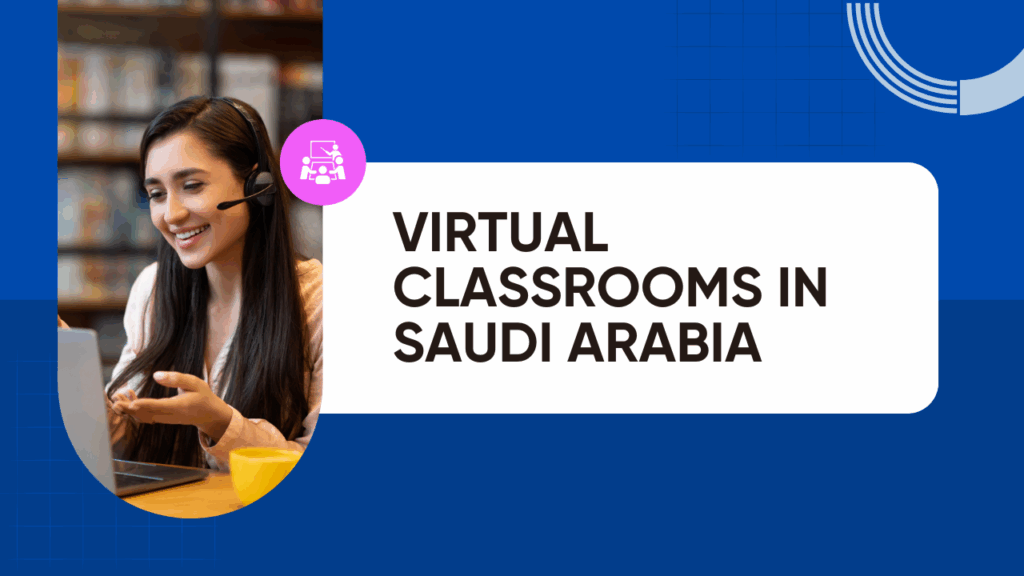
Traditional education systems in Saudi Arabia faced challenges in accessibility, flexibility, and scalability, especially highlighted during unforeseen disruptions like the COVID-19 pandemic. Students and educators grappled with limited resources, geographical constraints, and a lack of personalized learning experiences. Enter virtual classrooms—a transformative approach reshaping the educational landscape in Saudi Arabia. By leveraging technology, virtual classrooms address these challenges, offering flexible, accessible, and personalized learning experiences. The Evolution of Virtual Classrooms in Saudi Arabia The journey of virtual classrooms in Saudi Arabia began in the early 2000s with the introduction of e-learning platforms in higher education. The establishment of the National Center for e-Learning in 2005 marked a significant milestone, aiming to promote and support e-learning initiatives across the Kingdom. Over the years, the integration of digital tools and platforms has expanded, encompassing K-12 education, universities, and vocational training centers. Government Initiatives Driving E-Learning Saudi Arabia’s Vision 2030 emphasizes the importance of digital transformation in various sectors, including education. The government has invested heavily in developing digital infrastructure, launching platforms like Madrasati for school students and supporting the Saudi Electronic University for higher education. These initiatives aim to enhance digital literacy, promote lifelong learning, and ensure equitable access to quality education across the Kingdom. Technological Advancements Facilitating Virtual Learning The rapid advancement of technology has been pivotal in the proliferation of virtual classrooms. High-speed internet connectivity, widespread smartphone usage, and the adoption of Learning Management Systems (LMS) have made online education more accessible and efficient. Innovations such as Artificial Intelligence (AI) and Virtual Reality (VR) are being integrated to create immersive and personalized learning experiences, catering to diverse learning needs. Benefits and Challenges of Virtual Classrooms Benefits: Challenges: Market Trends and Growth Projections The e-learning market in Saudi Arabia has witnessed exponential growth. In 2023, the market was valued at approximately USD 2.1 billion, with projections indicating a rise to USD 6.1 billion by 2030, growing at a CAGR of 16.5%. This surge is attributed to factors such as government support, technological advancements, and a growing demand for flexible learning solutions. The Role of Private Sector and EdTech Startups The private sector plays a crucial role in the advancement of virtual classrooms. EdTech startups like Vocaliv and AlGooru are developing innovative platforms that offer interactive and personalized learning experiences. Collaborations between the government and private entities are fostering an ecosystem conducive to educational innovation and scalability. What’s Next for Virtual Classrooms? The future of virtual classrooms in Saudi Arabia looks promising, with continued investments in technology and infrastructure. Emerging trends include the integration of AI for personalized learning paths, the use of VR for immersive experiences, and the development of mobile-friendly platforms to enhance accessibility. As the Kingdom progresses towards its Vision 2030 goals, virtual classrooms are poised to become an integral component of the educational landscape. FAQs: Addressing Common Questions Q1: How effective are virtual classrooms compared to traditional ones? Virtual classrooms offer comparable, if not enhanced, learning outcomes by providing flexible and personalized learning experiences. Q2: What measures are in place to ensure quality in online education? The Ministry of Education has established guidelines and quality assurance frameworks to maintain high standards in virtual learning environments. Q3: How is student performance assessed in virtual settings? Assessments are conducted through online quizzes, assignments, and interactive activities, with tools in place to monitor academic integrity. The rise of virtual classrooms in Saudi Arabia signifies a transformative shift in the educational paradigm. By embracing technology and fostering innovation, the Kingdom is paving the way for a more inclusive, flexible, and future-ready education system. As stakeholders continue to collaborate and invest in this domain, virtual classrooms are set to play a pivotal role in shaping the nation’s educational future. Ready to Embrace the Future of Education in Saudi Arabia? The shift to virtual classrooms isn’t just a trend — it’s a transformation that’s redefining how we teach, learn, and connect. Whether you’re an educator seeking smarter tools, a parent exploring better learning options, or a school aiming to stay ahead, now is the time to take action. Discover how vocaliv can boost student performance, increase engagement, and simplify educational workflows. Don’t get left behind — explore the tools, embrace the change, and become part of Saudi Arabia’s digital education revolution today!