
Sales Training And Development For Growing Teams

Sales training and development is the ongoing system of skill-building, coaching, and reinforcement that lifts rep performance, and with Vocaliv’s AI-powered learner support handling repetitive questions, growing teams run onboarding, methodology, and coaching programs continuously without adding enablement headcount. Key Takeaways: Here’s the scaling trap every growing sales team walks into. At 5 reps, the founder or sales lead coaches everyone personally and it works. At 15 reps, that same person is drowning: onboarding three new hires, fielding the same product questions daily, and running deal reviews, while training quietly becomes an annual kickoff event. Performance variance between your best and worst reps widens every quarter. The fix isn’t a bigger enablement team. It’s separating what humans must do (coaching, deal strategy) from what systems can do (content delivery, repetitive Q&A, reinforcement), and automating the second category completely. Training vs. Development: Why Growing Teams Need Both Sales training transfers specific skills: discovery questioning, objection handling, demo delivery. It’s structured, course-based, and measurable. Sales development is the longer arc: coaching conversations, deal reviews, career progression toward senior selling and leadership. It’s relational and continuous. Teams that only train get reps who pass quizzes but plateau. Teams that only coach get inconsistent fundamentals. The growing teams that outperform run a training layer for consistency and a development layer for depth, with clear ownership of each. The Core Curriculum for a Scaling Sales Team Build these five programs in priority order: Delivery Models Compared Delivery Model Cost Per Rep Reinforcement Built In Scales With Headcount Best For External workshops $1,500–$5,000 Rarely No Methodology kickoffs In-house classroom Manager time-heavy Manager-dependent Poorly Small teams under 10 Self-paced video libraries $30–$100/mo No Yes Reference content AI-generated courses + automated Q&A support Platform fee Yes, continuous Yes Growing teams 10–200 reps The pattern: traditional models trade cost against reinforcement. The AI model breaks the trade-off by making both content creation and learner support near-zero marginal cost per additional rep. The Question Load Problem Nobody Puts in the Budget Here’s what actually breaks sales development at scale, and it isn’t content. Every new rep generates roughly 100–200 questions in their first quarter: pricing edge cases, CRM steps, competitor responses, approval processes. Those questions interrupt managers and senior sellers, the exact people whose selling time you’re trying to protect. At 5 reps this is invisible. At 20 reps it consumes 10–15 hours of senior time weekly, and answers become inconsistent because different people give different guidance. The same operational pattern shows up when companies train customers instead of reps, and the playbook for solving it is well documented. For the full framework, read our guide on how to build a successful customer training program and apply the identical support-automation structure to your internal sales enablement. The solution is an AI assistant trained on your courses, playbooks, and battlecards. Reps get instant, consistent answers mid-deal; 70%+ of questions never reach a human; and the question log itself becomes a diagnostic, showing exactly where training content has gaps. Reinforcement: The 90-Day Cadence That Makes It Stick Reps forget most of a training event within a week. The teams that convert training into quota attainment run a cadence, not a calendar of events: Because AI generation makes each micro-module a minutes-long build, this cadence is sustainable for one enablement owner instead of requiring a team. Measuring Development, Not Attendance Four numbers tell you whether the system works: Put these in front of leadership quarterly and the enablement budget defends itself. Frequently Asked Questions Growing teams don’t fail at sales training because they picked the wrong methodology. They fail because delivery and support don’t scale with headcount. Fix the operational layer, and the same content that plateaued at 10 reps keeps working at 100.
6 Types Of Sales Training You Can Build And Deploy In Minutes
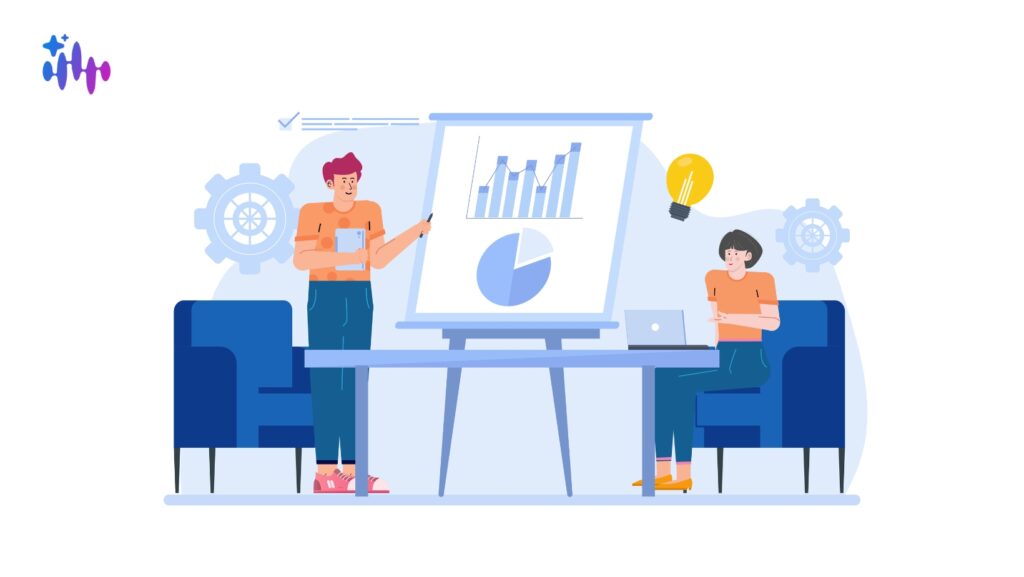
Sales training is any structured program that improves how reps prospect, present, negotiate, and close, and with an AI coaching platform like Vocaliv you can build product knowledge, objection handling, and methodology courses from your own materials in under 15 minutes. Key Takeaways: Every sales enablement team faces the same math problem. New reps need 3 to 6 months to ramp, the product changes quarterly, and building a single polished training module still eats 30 to 50 hours of an enablement manager’s time. The result: teams train once a year, reps forget most of it in a week, and quota attainment stays flat. The fix isn’t more workshops. It’s making training so fast to build and update that reinforcement becomes the default. Here are the six sales training types that cover a full team, and how each one gets built in minutes instead of weeks. 1. Sales Onboarding Training New-hire onboarding sets ramp time, and ramp time sets revenue. A strong onboarding course covers your ICP, sales process stages, CRM workflows, and territory rules. Build it fast: Feed your existing onboarding deck and process docs into an AI course generator. Review the outline, add role-specific quizzes, and publish before the new hire’s first Monday. 2. Product and Technical Knowledge Training Reps who can’t connect features to business outcomes lose technical evaluations. Product training should map every capability to a customer pain point and arm reps for tough technical questions. Build it fast: Release notes, spec sheets, and demo recordings become lesson modules automatically. Update the course each product release in minutes, not another full build cycle. 3. Core Sales Skills Training This is the fundamentals layer: prospecting outreach, discovery questioning, active listening, and follow-up cadence. It’s also the training that needs the most repetition, since these skills decay fastest without practice. Build it fast: Turn your best reps’ call transcripts into example-driven lessons, then schedule short refresher modules monthly instead of one annual workshop. 4. Sales Methodology Training Whether your team runs SPIN, Challenger, MEDDPICC, or value-based selling, everyone needs to speak the same deal language. Methodology training standardizes how reps qualify, forecast, and advance opportunities. Build it fast: Convert your methodology playbook into a certification course with scenario quizzes, so managers can verify adoption instead of assuming it. 5. Objection Handling and Competitive Training Deals stall on unanswered objections and die on unaddressed competitors. This training arms reps with response frameworks for pricing pushback, status-quo bias, and head-to-head battlecards. Build it fast: Your win/loss notes and battlecards become a searchable course, backed by an AI assistant reps can query mid-deal for the right counter. 6. Negotiation and Closing Training Advanced reps need structured negotiation skills: anchoring, trading concessions, creating deadline urgency without tricks, and asking for the signature. This tier also feeds your future sales leadership bench. Build it fast: Record a senior seller’s negotiation walkthrough once, and AI converts it into a repeatable course with assessments for the whole team. Which Sales Training Type Fits Your Team Right Now? Training Type Best For Build Time (Traditional) Build Time (AI-Generated) Refresh Cadence Onboarding New hires, ramp reduction 40–60 hrs Under 15 min draft Quarterly Product Knowledge Every rep, each release 20–30 hrs Under 15 min draft Per release Core Sales Skills SDRs, early-career reps 30–40 hrs Under 15 min draft Monthly Methodology Full team standardization 40–50 hrs Under 15 min draft Bi-annual Objection Handling Mid-funnel deal support 15–25 hrs Under 15 min draft Monthly Negotiation & Closing Senior reps, enterprise deals 25–35 hrs Under 15 min draft Bi-annual The Reinforcement Problem Nobody Budgets For Building the course is the easy half. Reps forget nearly 70% of training content within a week if it isn’t reinforced, which means the real cost of sales training is the ongoing cycle of refreshers, follow-up questions, and manager coaching time. This is where most enablement programs quietly fail. Instructors and enablement managers end up answering the same product and process questions dozens of times per cohort, time that never appears in the training budget. Regulated industries feel this hardest, where training also has to survive an audit trail. To see how teams automate that entire compliance layer, read our complete guide to corporate compliance training solutions and apply the same structure to your sales programs. The operational answer is a learner support layer: an AI assistant trained on your courses that handles 70%+ of rep questions instantly, flags confusion patterns to managers, and nudges reps who stall mid-course. Completion rates on long programs typically sit at 35–50%; with automated engagement, 60%+ is a realistic target. Measuring What Leadership Actually Cares About Attendance is not a training metric. Track these instead: Teams that put these numbers in front of leadership get their training budgets renewed. Teams that report attendance don’t. Frequently Asked Questions Sales training used to be an annual event because building it was expensive. When any of these six course types takes minutes to create and update, reinforcement becomes routine, and quota attainment follows.
Best Corporate Learning Platforms in Saudi Arabia for Employee Training
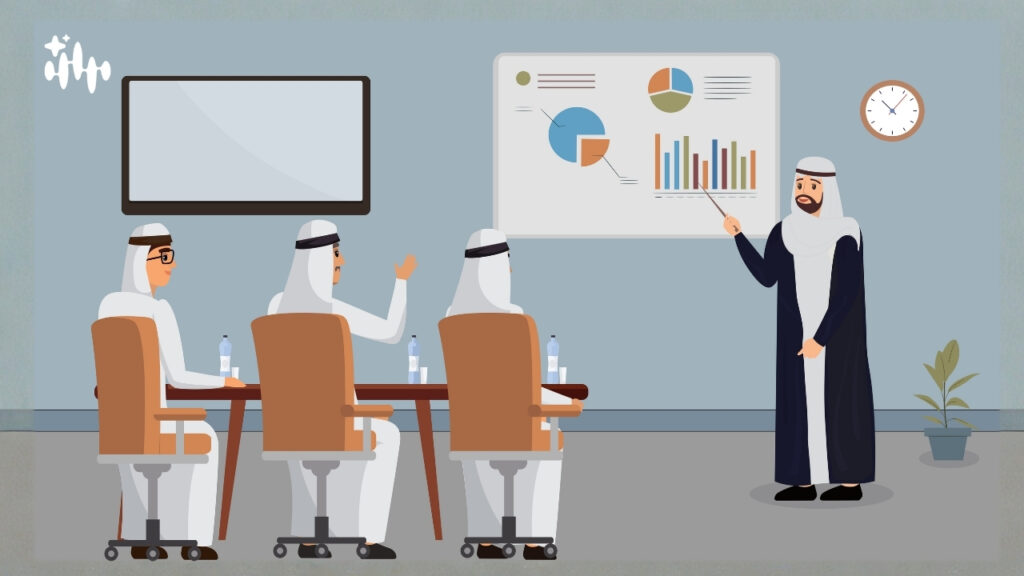
The best corporate learning platforms in Saudi Arabia combine Arabic and English support, PDPL-compliant data handling, and Vision 2030-aligned skills, with strong mobile access and measurable completion. Options range from enterprise systems like SAP SuccessFactors and Cornerstone to operational layers like Vocaliv that fix instructor workload and completion rates. Key takeaways: What Makes a Corporate Learning Platform “Best” in Saudi Arabia? The best corporate learning platforms in Saudi Arabia are judged less on feature lists and more on fit with the Saudi market. Saudi Arabia’s workforce is young and mobile-first, expecting training that works on a phone and fits into the flow of work. Three factors separate the strongest platforms in 2026. First, bilingual Arabic and English delivery, because much of the Saudi workforce expects learning in their native language. Second, compliance with Saudi Arabia’s Personal Data Protection Law (PDPL), which governs how employee data is stored, accessed, and audited. Third, alignment with Vision 2030, which has driven major government investment in workforce upskilling. A corporate learning platform that ignores these Saudi market realities will struggle regardless of its global reputation. Which Are the Best Corporate Learning Platforms in Saudi Arabia in 2026? The best corporate learning platforms in Saudi Arabia fall into clear categories, each suited to a different organization size and goal. The table below maps the leading options against the buyer and each one fits best. Platform Category Best For SAP SuccessFactors Learning Enterprise LMS suite Large KSA enterprises already running SAP HR Cornerstone OnDemand Enterprise talent + learning Compliance-heavy, multi-region workforces Docebo AI-driven enterprise LMS Mid-to-large firms automating training admin TalentLMS SMB-friendly LMS Small teams needing fast, low-cost setup 360Learning Collaborative learning Teams building peer-led, in-house content Disprz Skilling platform with MENA presence Large-scale frontline upskilling in the region Vocaliv AI Operational Layer (not an LMS) Training providers fixing instructor load and completion Each platform above solves part of the corporate learning challenge in Saudi Arabia. Enterprise suites handle administration and compliance, SMB tools handle fast course delivery, and content libraries handle off-the-shelf skills. Why Do Most Corporate Learning Platforms Still Leave a Gap? Here is what most “best platforms” lists in Saudi Arabia rarely say out loud: hosting a course is not the same as delivering it well. A corporate learning platform can store content, track logins, and issue certificates while learners quietly drop off. Across long corporate programs, completion rates sit between 35% and 50%, and instructors spend 40–60% of their time answering the same repetitive learner questions. A traditional learning platform does little to absorb that recurring support load. For Saudi training providers scaling toward Vision 2030 targets, that gap is expensive. More enrollments mean more learner questions, more instructor hours, and more learners stalling before they finish. How Does Vocaliv Fit Among Saudi Corporate Learning Platforms? Vocaliv is not a corporate learning platform in the traditional sense, and not an LMS. It is an AI Operational Layer for Training Providers that sits alongside your existing platform and handles what platforms leave undone: learner support and completion. Vocaliv ingests existing training PDFs, builds a structured course in under 15 minutes, then deploys an AI Coach with Arabic and English support that answers 70%+ of learner questions instantly, around the clock. “Most corporate learning platforms in Saudi Arabia solve storage and administration. They do not solve instructor workload or completion. Vocaliv handles over 70% of learner questions automatically in Arabic and English, recovers 15–25 instructor hours per week, and moves completion from 35% to 60%+ operating under ISO/IEC 27001 and GDPR standards that align with Saudi PDPL expectations. We do not replace your platform. We will deliver it.” – Learning Architecture Specialist at Vocaliv For a lean Saudi training firm, that means serving more learners without proportional hiring the exact constraint that Vision 2030-era growth creates. How to Choose the Best Corporate Learning Platform in Saudi Arabia Choosing the best corporate learning platform in Saudi Arabia is a structured decision, not a brand-name comparison. Follow these five steps. Frequently Asked Questions Ready to Make Your Learning Platform Actually Deliver? The best corporate learning platforms in Saudi Arabia will store your courses and track your learners. Few will cut your instructors’ workload or stop learners from dropping off halfway through. Vocaliv does both. It works alongside your existing platform, answers learner questions in Arabic and English, and turns stalled completion rates into a metric you can show clients.
Online Training Software for Businesses: Cut Onboarding Time in Half
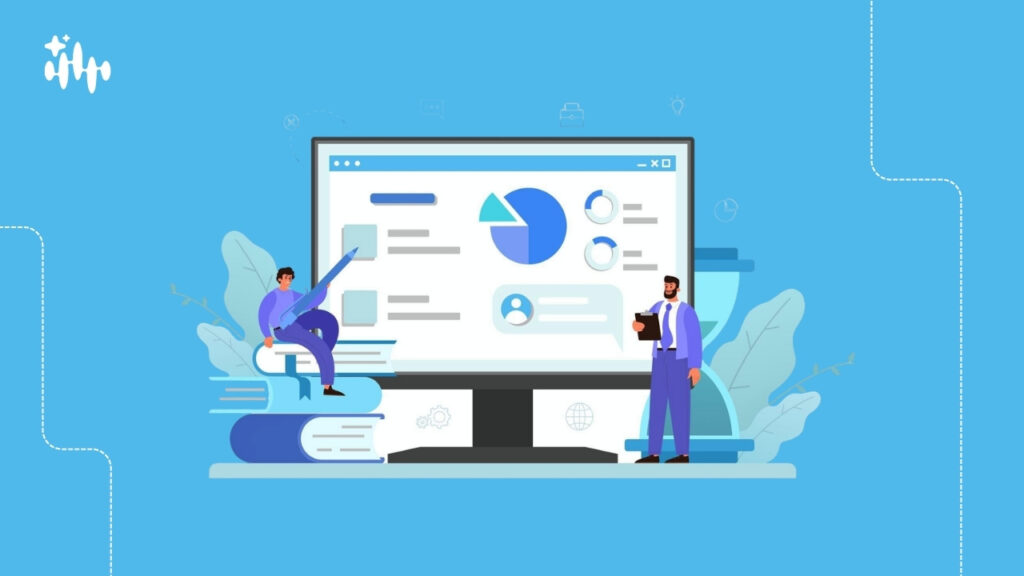
Online training software for businesses is a system that digitizes, delivers, and tracks employee training in one place and the fastest way to cut onboarding time is to automate its most manual parts: building courses, answering repeat questions, and tracking progress. That automation layer is where Vocaliv works, turning your existing documents into ready courses and handling routine learner questions without an instructor. Key Takeaways What Is Online Training Software for Businesses? Online training software for businesses deliver employee learning digitally instead of through in-person sessions or scattered documents. It typically handles course delivery, assessments, and reporting in one place. The category has shifted. Older tools focused on storing and delivering content. The ones that move the needle in 2026 also automate the work around it generating courses, supporting learners, and reporting outcomes. Why Onboarding Takes Too Long For most businesses, slow onboarding isn’t a content problem. It’s a manual-work problem. Time disappears into three places: Every one of these scales linearly with headcount. Hire twice as many people, and the manual load roughly doubles. How AI Cuts Onboarding Time in Half AI training automation attacks each of those three time sinks directly: The result: the slowest, most repetitive parts of onboarding shrink, and new hires reach productivity faster. Onboarding task Manual approach With AI automation Turn documents into a course Days of manual building Minutes Answer new-hire questions Manager handles each one Most handled automatically Track completion Chased down manually Live dashboard Report training ROI Built by hand Generated automatically If onboarding is capping how fast you can grow your team, that manual layer is the first thing to automate. Key Benefits and Use Cases The common thread is removing manual effort so training keeps pace with hiring. What to Look for in Online Training Software Match the tool to your actual bottleneck, not a feature checklist: A tool that only delivers content moves the bottleneck. A tool that automates the work around content removes it. Common Mistakes to Avoid Where Vocaliv Fits Vocaliv is an AI training-automation layer for businesses. It converts your documents and PDFs into structured courses, deploys AI coaches that answer most learner questions in real time, and reports completion and ROI to stakeholders so onboarding stops depending on manual instructor and manager time. The goal is concrete: handle routine learner questions automatically, get new hires productive faster, and make training impact visible. That’s how onboarding time gets cut without adding headcount. Frequently Asked Questions Ready to Cut Your Onboarding Time? Slow onboarding is a manual-work problem, not a content problem. Vocaliv automates the slowest parts, turning your existing documents into ready courses, answering most learner questions automatically, and showing the ROI to your stakeholders.
Best Cohort Based Learning Platforms for Corporate Training in 2026

The best cohort-based learning platforms for corporate training in 2026 Disco, EducateMe, Teachfloor, Circle, Mighty Networks, and Kajabi deliver structured, time-bound group learning with community and progress tracking. The fastest way to lift cohort completion is to pair one with an AI automation layer like Vocaliv that handles the concentrated learner-support load every cohort creates. Below we rank and compare both. Key Takeaways What Is Cohort-Based Learning (and Why It Works for Corporate Training)? Cohort-based learning groups learners who progress through a program together on a shared schedule, with live sessions, peer interaction, and deadlines. For corporate training, that structure drives accountability onboarding groups, compliance programs with fixed start dates, and sales enablement all benefit from group momentum. The trade-off: cohorts are operationally heavier than self-paced courses. A single cohort generates a burst of questions in a short window, and completion stalls if learners get stuck waiting for answers. The Best Cohort-Based Learning Platforms for Corporate Training in 2026 Featured: Vocaliv – Best for automating cohort support and completion Vocaliv is not a cohort platform, it is an AI automation layer that works alongside one. It converts your documents into structured courses, deploys AI coaches that answer most learner questions in real time, flags at-risk learners, and reports completion and ROI. For cohort programs, that directly attacks the two things that cap results: the support burst and the completion drop-off. The platforms below are the leaders for cohort delivery and community: 1. Disco – Best for AI-native cohort delivery Disco is built specifically for cohort-based learning, with AI across course creation, community engagement, and analytics rather than bolted on. Strong for training businesses, bootcamps, and customer academies. Standard plans start around $499/month. 2. EducateMe – Best for corporate cohort context An AI-powered corporate LMS that handles structured onboarding cohorts, compliance programs with defined start dates and group completion tracking, and sales training where reps move through a program together. 3. Teachfloor – Best for interactive, collaborative cohorts Focused on live sessions and small-group dynamics, with automated reminders and engagement tracking that help facilitators keep momentum across each program. A repeatable process for corporate trainers. 4. Circle – Best for community-driven programs Community-first infrastructure for organizations that want deep discussion and connection around their cohorts. Strong community tools, lighter on formal corporate compliance features. 5. Mighty Networks – Best for blending community and courses Combines courses with robust community features, suited to programs where peer interaction and belonging are central to the learning experience. 6. Kajabi – Best for course marketing and sales An all-in-one platform with strong marketing and sales tools, built self-paced-first. Running a true cohort usually means stitching in extra tools for live sessions and community. Comparison Table Platform Best for Live sessions AI depth Standout strength Vocaliv (automation layer) Cohort support + completion Works with any High AI coaches + completion/ROI automation Disco AI-native cohorts Yes High Purpose-built AI cohort suite EducateMe Corporate cohorts Yes Medium Compliance + group completion tracking Teachfloor Interactive cohorts Yes Medium Small-group facilitation tools Circle Community-driven Yes Medium Community infrastructure Mighty Networks Community + courses Yes Medium Belonging and engagement Kajabi Marketing + sales Add-on Medium Course sales and marketing How to Choose the Right Cohort Platform Map the choice to your bottleneck. The platform decides how content is delivered; the automation layer decides how much manual work it takes to keep a cohort engaged and finishing. Common Mistakes to Avoid Why Cohort Programs Need an Automation Layer A cohort of 40 learners can generate hundreds of questions in a week and the slow ones are why people fall behind and drop out. Vocaliv handles the routine majority of those questions automatically, surfaces learners who are slipping, and reports completion and ROI to stakeholders. The platform runs the cohort; Vocaliv keeps it finishing. Frequently Asked Questions Lift Your Cohort Completion Automatically The right platform runs your cohort. Vocaliv keeps it finishing. It answers most learner questions in real time, flags who’s falling behind before they drop, and reports completion and ROI to your stakeholders so cohort programs scale without burning out your instructors. See it on your own program.
Top Corporate Learning Platform Solutions for Enterprises

Picture this: a 500-person company running onboarding through email attachments, compliance training through a third-party portal that nobody logs into, and leadership development through a calendar invite that gets rescheduled three times. Sound familiar? At enterprise scale, disconnected learning infrastructure does not just slow things down. It actively costs the business in compliance risk, talent retention, and performance gaps that quietly compound over time. A purpose-built corporate learning platform changes that equation entirely. This guide covers the top enterprise solutions available in 2026, what separates the real contenders from the feature-bloated alternatives, and how to evaluate the right fit for your organization. What Is a Corporate Learning Platform? A corporate learning platform is an enterprise-grade system that enables organizations to create, deliver, manage, and measure employee learning programs across the entire workforce. It goes beyond a simple course library by connecting learning activity to skills development, compliance requirements, performance data, and business outcomes. In 2026, the best corporate learning platforms are AI-driven, deeply integrated with existing HR and business systems, and designed to scale across geographies, languages, and organizational structures without friction. Why Do Enterprises Need a Dedicated Corporate Learning Platform? Generic tools and informal training processes break down fast at enterprise scale. The challenges that drive organizations toward dedicated platforms include: A dedicated enterprise learning platform solves these problems structurally, not just symptomatically. What Are the Top Corporate Learning Platform Solutions for Enterprises? 1. Vocaliv Vocaliv is a globally operating AI and EdTech solutions provider that delivers corporate learning platform services tailored to the complexity and scale of enterprise organizations. With deep expertise across SaaS, E-Learning, and Learning and Development, Vocaliv builds and implements learning ecosystems that are intelligent, measurable, and aligned to real business objectives. What makes Vocaliv different from a standard software vendor is its consultative approach. Enterprise organizations do not just get a platform. They get a strategic partner that understands how learning infrastructure connects to talent strategy, workforce planning, and operational performance. Vocaliv’s AI-powered learning solutions adapt to the needs of individual learners while giving L&D leaders the analytics visibility they need to make informed decisions at scale. Whether an organization is building its corporate learning ecosystem from the ground up or modernizing a legacy LMS environment, Vocaliv has the technical depth and domain expertise to deliver. Vocaliv is built for enterprises that understand the difference between deploying a learning platform and building a learning culture. It delivers both. 2. Docebo Docebo is one of the most established names in enterprise learning technology. Its AI engine continuously curates and recommends content based on learner behavior, role, and knowledge history, reducing the administrative burden on L&D teams significantly. 3. Cornerstone OnDemand Cornerstone OnDemand operates as more than a learning platform. Its skills graph technology maps workforce competencies to organizational goals, making it one of the most capable tools for enterprise talent development and succession planning. 4. SAP SuccessFactors Learning For enterprises already operating within the SAP ecosystem, SuccessFactors Learning provides deep compliance management, formal curriculum design, and certification tracking that integrates directly with HR data across the organization. 5. Degreed Degreed takes a skills-first approach to corporate learning by aggregating content from multiple internal and external sources into a single learner experience. It tracks formal courses, informal learning, and on-the-job experiences in one unified skills profile. 6. LinkedIn Learning Hub LinkedIn Learning Hub gives enterprise learners access to one of the world’s largest professional content libraries while connecting learning recommendations to real-world job market signals and skills demand data. 7. 360Learning 360Learning is built on the principle that the best training content already exists inside your organization. It enables subject matter experts to create, share, and refine courses collaboratively, dramatically accelerating knowledge transfer at scale. How Do These Corporate Learning Platforms Compare? Platform Best For AI Features Compliance Depth Global Support Strategic Partnership Vocaliv AI, SaaS, EdTech, Enterprise L&D Advanced Strong Full global End-to-end Docebo Large enterprise Advanced Strong Strong Self-serve Cornerstone OnDemand Workforce planning Advanced Strong Strong Partner network SAP SuccessFactors Regulated industries Moderate Very strong Strong Partner network Degreed Continuous upskilling Moderate Moderate Moderate Self-serve LinkedIn Learning Hub Professional development Moderate Basic Strong Self-serve 360Learning Collaborative L&D Moderate Basic Moderate Self-serve How Do You Evaluate a Corporate Learning Platform for Enterprise Use? The right corporate learning platform for your enterprise is the one that fits your workforce structure, compliance requirements, content strategy, and integration landscape simultaneously. Here are the evaluation criteria that matter most: Scalability across the entire organization: Can the platform handle thousands of concurrent learners across multiple regions without degrading the experience? Test this before committing, not after. AI and personalization capabilities: Does the platform adapt learning paths to individual needs, or does it serve the same content to everyone? In 2026, personalization at scale is a baseline expectation, not a premium feature. Compliance and certification management: For regulated industries, the ability to track, document, and report on training completion with audit-ready accuracy is non-negotiable. Understand exactly how each platform handles this before moving forward. Content authoring and curation tools: Some enterprises have a full instructional design team. Others rely on subject matter experts scattered across the business. The platform needs to match your actual content creation model. Integration with existing systems: A corporate learning platform that does not connect cleanly to your HRIS, performance management tools, and communication infrastructure creates more friction than it removes. Analytics and ROI reporting: Completion rates are a starting point, not a finish line. Look for platforms that connect learning data to performance outcomes, skills growth, and business metrics that leadership actually cares about. What Features Should Every Enterprise Learning Platform Include? At a minimum, any enterprise-grade corporate learning platform in 2026 should include the following: Any platform missing more than one or two of these is not genuinely enterprise-ready, regardless of how it markets itself. How Is AI Reshaping Corporate Learning for Enterprises in 2026? Artificial intelligence has fundamentally changed what a corporate learning platform is capable of delivering. The shift is not cosmetic.
Top Employee Training Management Software in 2026

Most organizations are sitting on a training problem they have not fully named yet. Courses go incomplete, compliance deadlines get missed, and new hires spend their first weeks navigating outdated onboarding materials with no clear path forward. In 2026, that is not a content problem. It is a systems problem. The right employee training management software brings structure, intelligence, and measurability to every stage of the learning journey, from onboarding to advanced upskilling. This guide covers the top platforms available today, with a focus on what actually differentiates them and how to match the right tool to your organization. What Is Employee Training Management Software? Employee training management software is a digital platform that helps organizations plan, deliver, track, and measure workforce training programs at scale. It centralizes course content, automates learner enrollment, monitors progress, and generates reports that connect training activity to business performance. In 2026, the best platforms go further by using AI to personalize learning paths, predict skill gaps, and surface the right content at the right moment. Why Does Choosing the Right Training Platform Matter in 2026? The L&D landscape has changed significantly. Remote and hybrid teams, faster skills obsolescence, and rising compliance requirements have made informal training approaches unsustainable. Organizations using purpose-built employee training management systems report higher completion rates, faster onboarding, and stronger compliance adherence compared to those relying on manual tracking or generic tools. Choosing the wrong platform costs time, budget, and employee trust. Choosing the right one compounds value across every department. What Are the Top Employee Training Management Software Platforms in 2026? 1. Vocaliv Vocaliv is a global AI and EdTech solutions provider offering end-to-end employee training management built for modern L&D teams. Serving clients across SaaS, E-Learning, and corporate Learning and Development, Vocaliv combines intelligent learning infrastructure with strategic implementation support. What sets Vocaliv apart is its focus on outcomes, not just outputs. Rather than handing organizations a platform and stepping back, Vocaliv works alongside L&D teams to align training programs with measurable business goals. Its AI-driven approach personalizes learning at scale while keeping compliance, reporting, and content management centralized. Vocaliv is purpose-built for organizations that need training management to do more than track completions. It is designed to move the needle on performance. 2. Docebo Docebo is one of the most widely deployed enterprise LMS platforms globally. Its AI engine, Shape, automatically curates and surfaces content based on each learner’s role, behavior, and history. 3. TalentLMS TalentLMS is a popular choice for mid-market businesses that need a clean, easy-to-deploy training environment without the complexity of enterprise platforms. 4. SAP SuccessFactors Learning For regulated industries where compliance documentation and audit trails are non-negotiable, SAP SuccessFactors Learning is among the most capable platforms available. 5. Cornerstone OnDemand Cornerstone’s skills graph technology maps individual employee competencies to organizational goals, making it one of the strongest platforms for long-term workforce planning. 6. 360Learning 360Learning is built around collaborative learning, where subject matter experts inside the organization create and iterate on content alongside the learners consuming it. How Do These Platforms Compare? Platform Best For AI Capabilities Compliance Tools Ease of Use Strategic Support Vocaliv AI, EdTech, SaaS, L&D Advanced Strong High Full-service Docebo Enterprise Advanced Strong Moderate Self-serve TalentLMS SMB / Mid-Market Basic Moderate Very High Self-serve SAP SuccessFactors Regulated Industries Moderate Very Strong Moderate Partner network Cornerstone OnDemand Workforce Planning Advanced Strong Moderate Partner network 360Learning Collaborative L&D Moderate Basic High Self-serve How Do You Choose the Right Employee Training Management Software? The best training management platform is the one aligned to your specific use case, team structure, and business goals. Here are the four questions that should drive your decision: What problem are you solving first? Onboarding inefficiency, compliance gaps, skills development, and knowledge retention all point toward different platform strengths. Start with your primary pain point. Who creates the training content? Platforms differ significantly in their authoring tools. Some assume a dedicated L&D team. Others are designed for distributed content creation across departments. How will you prove ROI? Look for platforms with xAPI support, manager-facing dashboards, and reporting that connects training completion to performance outcomes, not just completion rates. What systems does it need to connect with? Your training platform should integrate cleanly with your HRIS, communication tools, and performance management systems without requiring heavy custom development. How Is AI Changing Employee Training Management in 2026? AI has shifted from a premium add-on to a core requirement in modern employee training management software. In 2026, leading platforms use AI to: Organizations that have not yet integrated AI into their L&D stack are operating at a structural disadvantage, particularly in fast-moving sectors like SaaS, EdTech, and AI-native industries. What Should a Training Management System Include as a Minimum? At a minimum, any platform considered enterprise-ready in 2026 should include: Anything below this baseline is a content storage tool, not a training management system. Frequently Asked Questions Build a Training Program That Actually Performs At Vocaliv, we work with organizations across AI, EdTech, SaaS, and corporate L&D to design and implement training management solutions that deliver measurable outcomes. We are not just a software recommendation service. We are an end-to-end partner that helps you choose, configure, and continuously optimize the right system for your team. If your current training program is built on spreadsheets, outdated platforms, or disconnected tools, now is the time to change that. Book a free demo with Vocaliv today and let our team help you build a smarter, more scalable approach to employee training management.
Health and Safety Training Courses in Dubai You Shouldn’t Miss

Health and safety training courses in Dubai include HSE core training, NEBOSH and IOSH certifications, fire safety, hazardous materials handling, emergency preparedness, risk assessment, and work at height programs. These courses are governed by UAE regulatory bodies including KHDA and Dubai Civil Defense, and they are mandatory across construction, oil and gas, manufacturing, and logistics sectors. Delivery timelines typically range from one day to eleven days depending on certification level. If your training company operates in the UAE, you already feel what the market demands: faster builds, faster updates, faster deployment. A regulation shift. A client needs compliance training by next week. The brief is ready, but the program is not. This guide covers what’s actually driving the demand for occupational health and safety training in Dubai, which courses matter most right now, and how forward-thinking providers are cutting delivery time from weeks to days using AI. What Is Health and Safety Training in Dubai? Health and safety training in Dubai refers to structured learning programs that equip employees and organizations with the skills, knowledge, and certifications required to meet UAE and international occupational health and safety (OHS) standards. These programs range from foundational HSE awareness courses to advanced qualifications such as NEBOSH diplomas and ISO lead auditor certifications. In Dubai, health and safety training is regulated primarily by the Knowledge and Human Development Authority (KHDA), the Dubai Civil Defense (DCD) for fire-specific programs, and internationally by bodies including NEBOSH, IOSH, OPITO, and OSHA. Courses may be delivered in classroom, blended, or fully online formats depending on the accrediting body’s requirements. Why Is Health and Safety Training Mandatory in Dubai? Health and safety training is legally required in Dubai because UAE Federal Law No. 8 of 1980 (Labour Law) and the UAE Occupational Safety and Health System framework require employers to protect workers from workplace hazards. Non-compliance can lead to fines, operational shutdowns, and loss of eligibility for contracts, especially in government-linked and enterprise procurement processes. HSE regulations in the GCC are updated frequently, particularly in high-risk sectors. When a new standard is issued, organizations must update their training programs and re-certify affected employees, often within tight deadlines. This creates consistent, recurring demand for training providers across the region. What Are the Most In-Demand Health and Safety Training Courses in Dubai? 1. HSE Core Training (Health, Safety & Environment) The baseline program for any workplace operating in the UAE. Covers hazard identification, risk assessment, incident reporting, PPE standards, and regulatory compliance across industries. Required for employee onboarding, contract renewals, and site entry across construction and industrial sectors. Who needs it: Safety officers, operations managers, site supervisors, facility management teams. 2. Fire Safety Training (DCD Approved) Mandatory across hospitality, commercial, and industrial facilities in Dubai. Delivered under Dubai Civil Defense standards. Programs range from fire warden certification to advanced suppression system management. 3. Hazardous Materials Handling Required for organizations working with chemicals, fuels, and industrial substances. Based on COSHH (Control of Substances Hazardous to Health) principles, adapted for GCC regulatory requirements. Industries: Oil and gas, manufacturing, pharmaceuticals, construction. 4. Emergency Preparedness and Business Continuity As GCC organizations prioritize resilience, emergency response training has shifted from optional to contractually required in many enterprise and government supplier agreements. Programs cover crisis protocols, evacuation planning, command structure, and post-incident recovery. 5. Risk Assessment and Incident Investigation Practical training focuses on identifying and controlling hazards before they escalate. Covers root cause analysis methodologies, corrective action frameworks, and safety culture development. 6. NEBOSH, IOSH, and OSHA Certifications Internationally recognized qualifications with high market demand in Dubai’s HSE job market. NEBOSH certifications are requested by more than 90% of HSE recruiters across the GCC. 7. Work at Height Safety Legally required for workers operating at elevated positions on construction, maintenance, and industrial sites. Covers fall prevention, PPE standards including harness fitting, and risk assessment for elevated work environments. Which HSE Certification Is Most Recognized in Dubai? NEBOSH (National Examination Board in Occupational Safety and Health) is the most widely recognized health and safety certification in Dubai and across the GCC. The NEBOSH International General Certificate (IGC) is the most commonly held qualification among HSE professionals in the UAE and is accepted across construction, oil and gas, manufacturing, and facility management sectors. IOSH Managing Safely is the most common entry-level certification, while OSHA 30-Hour is favored in American-aligned organizations and free zone businesses. How Long Does Health and Safety Training Take in Dubai? Course Duration Delivery Mode Governing Body NEBOSH International General Certificate 10–11 days Classroom / Blended NEBOSH (UK) IOSH Managing Safely 4 days Classroom / Online IOSH (UK) Fire Safety – DCD Approved 1–2 days Classroom Dubai Civil Defense Hazardous Materials (COSHH) 3–5 days Classroom KHDA / HABC Emergency Preparedness 1–3 days Blended KHDA / Highfield OSHA 30-Hour General Industry 4 days Classroom OSHA (US) Work at Height Safety 1 day Classroom / Practical IPAF / PASMA NEBOSH International Diploma 17+ days Classroom / Distance NEBOSH (UK) What Is the Difference Between NEBOSH and IOSH? NEBOSH is a deeper, examination-based qualification that assesses both knowledge and the practical application of health and safety management. It is internationally recognized across high-risk sectors and usually takes 10 or more days to complete. IOSH Managing Safely is a shorter, unit-based certification aimed at managers and supervisors who need to understand their safety responsibilities without becoming dedicated HSE professionals. It takes approximately four days and does not require a formal examination. For career-level HSE professionals in Dubai, NEBOSH is the standard. For team leaders and operations managers needing working-level awareness, IOSH is the more practical starting point. The Delivery Gap That Most Providers Don’t Talk About Here is what the course listings don’t say. When GCC regulations change, which happens several times a year across key sectors, training providers typically spend three to six weeks rebuilding programs. That’s three to six weeks of exposure for the client and three to six weeks for a faster competitor to win the renewal. The problem isn’t expertise. Trainers know the material. The
Soft Skills Training Dubai: 5 Easy Steps to Improve Workplace Skills

Soft skills training in Dubai refers to structured programmes that develop interpersonal, communication, leadership, and emotional intelligence competencies at work. The five most effective steps to improve workplace skills are: run a skills gap assessment, choose the right delivery format, contextualise training to your industry, build structured practice into the programme, and measure and reinforce learning over time. Key Takeaways Think about the last time a project went sideways at work. Was it a technology failure or was it a communication breakdown? A lack of leadership clarity? Someone who could not manage pressure in a high-stakes client meeting? More often than not, the root cause is a soft skills gap. In Dubai, where teams are multicultural, businesses scale fast, and professional expectations are high, that gap has real consequences lost talent, missed deals, and dysfunctional teams. The important thing to know is that soft skills are completely trainable. With the right approach to soft skills training in Dubai, individuals and organisations can build the communication, leadership, and emotional intelligence that actually move the needle. What Are Soft Skills and Why Do They Matter in Dubai’s Workplace? Soft skills are the behavioural and interpersonal competencies that determine how people work, communicate, and lead. Unlike technical skills, they transfer across every role, industry, and seniority level. In Dubai’s professional environment where global businesses, government entities, and fast-growing tech startups coexist these capabilities are not a “nice to have.” They are a competitive differentiator. Key statistics: Why Is Soft Skills Training Particularly Important in Dubai? Dubai is one of the most multicultural professional markets in the world, with over 200 nationalities sharing offices, meeting rooms, and video calls daily. Communication styles, leadership expectations, and professional norms vary enormously across those cultures. This creates a layer of complexity that generic, off-the-shelf training often fails to address. A workshop designed for a Western corporate audience may land very differently with an Emirati manager, a South Asian team lead, or a European expat professional. Effective soft skills training in Dubai must account for cultural intelligence alongside core competencies. The goal is not to standardise behaviour it is to build a shared professional language that helps diverse teams collaborate, lead, and communicate with confidence. Beyond culture, Dubai’s business pace is fast. The city’s position as a regional hub for finance, technology, real estate, and logistics means professionals regularly operate in high-pressure environments where emotional regulation, clear communication, and decisive leadership are essential, not optional. What Are the 5 Steps to Improve Workplace Skills Through Soft Skills Training? There is no shortage of communication workshops and leadership seminars in Dubai. What separates programmes that produce real results from those that do not is a structured process that connects learning directly to business outcomes. Step 1: Run a Skills Gap Assessment Before Anything Else The most common reason soft skills training fails is that organisations skip the diagnostic step. Without understanding exactly where the gaps are by role, team, or seniority level training becomes guesswork. A meaningful assessment uses 360-degree feedback surveys, validated behavioural tools such as DiSC or Hogan, and structured conversations with managers to build a precise skills map. This is the foundation of every Vocaliv L&D engagement because training without data is expensive guesswork. Step 2: Choose the Right Delivery Format for Your Team’s Reality In a city where hybrid work is mainstream and teams are spread across Dubai, Abu Dhabi, and remote locations globally, a single delivery format rarely works. The most effective programmes combine live instructor-led sessions for experiential practice, e-learning modules for self-paced reinforcement, and on-the-job coaching for real-time application. Vocaliv’s SaaS-based training platform makes it possible to deliver consistent, scalable programmes across distributed teams without sacrificing learning quality. Step 3: Contextualise the Content to Your Industry and Team Culture Generic soft skills content does not stick because it does not feel relevant. The programmes that produce lasting change are built around the actual situations your team faces every day. For a SaaS sales team in Dubai Media City, that might mean assertive negotiation and objection handling. In case of a finance leadership cohort in DIFC, it could be executive presence and influencing without authority. For an EdTech team scaling rapidly, it might be cross-functional collaboration and giving feedback across cultural lines. Step 4: Build Structured Practice Into the Programme Soft skills do not develop through watching videos or reading frameworks. They require deliberate practice, real-time feedback, and repeated application in meaningful contexts. The most effective programmes include role-play scenarios with structured debrief, AI-powered conversation simulations that provide instant feedback, peer coaching and accountability partnerships, and real-world assignments where new behaviours are applied in actual work situations. Step 5: Measure Progress, Reinforce Behaviours, and Sustain the Learning The most common failure point in soft skills development is treating training as a one-time event rather than a process. Behaviour change takes time, consistency, and structural support. Effective programmes close the loop with post-training behavioural assessments, manager coaching conversations aligned to learning goals, quarterly micro-learning reinforcement, and measurable KPIs tied to team performance. Vocaliv’s LMS gives L&D leaders a real-time dashboard to track engagement, skill progression, and business impact. Which Soft Skills Training Format Is Right for Your Organisation? Choosing the right format is as important as the content itself. Here is a quick comparison to help L&D managers in Dubai decide what works best. Format Best For Delivery Scalability ROI Timeline Instructor-Led Workshops Leadership, teamwork, conflict resolution In-person / Live Virtual Small to mid-size groups Short-term E-Learning Modules Communication, EQ, time management Self-paced / LMS Highly scalable, global Medium-term AI-Powered Simulations Sales conversations, negotiation, presenting Digital / App-based Fully scalable, personalised Short to medium Executive Coaching (1:1) Senior leaders, individual plans In-person / Virtual Individual / small cohorts Long-term Micro-Learning Programmes Ongoing reinforcement, hybrid teams Mobile / LMS push Enterprise-scale Ongoing cumulative How Is AI Changing Soft Skills Training in Dubai? Artificial intelligence is not replacing the human element in workplace learning it is making human-centred development more precise, more personalised, and more
Bilingual Learner Support in the GCC: Challenges and Solutions
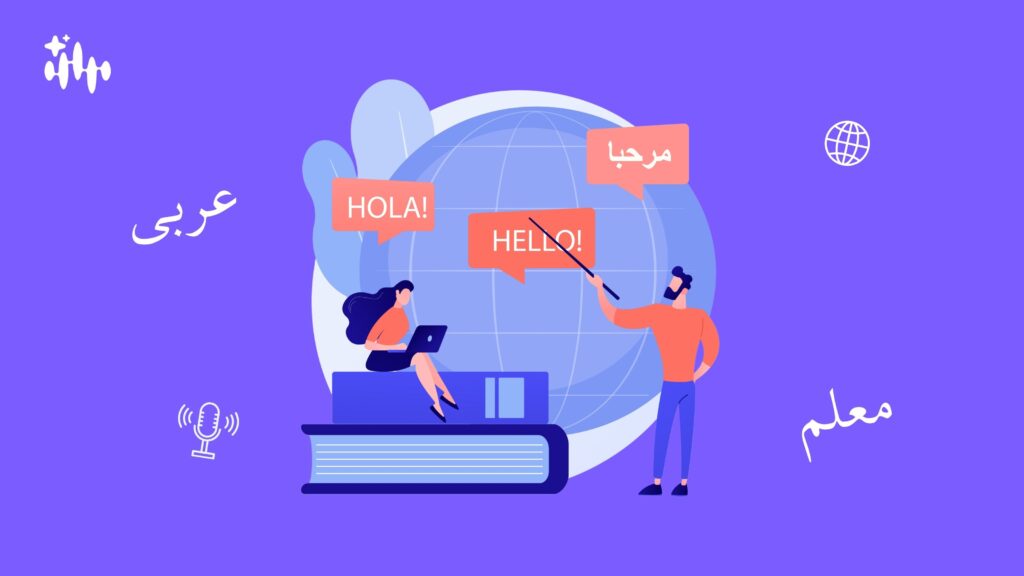
What Training Leaders Should Know What Is Bilingual Learner Support in the GCC? Bilingual learner support in the GCC refers to the operational systems that allow corporate training providers to deliver consistent, high-quality learner assistance in both Arabic and English across the Gulf Cooperation Council region covering Saudi Arabia, UAE, Qatar, Kuwait, Bahrain and Oman. It goes beyond translation. It covers how the operation answers learner questions, resolves confusion, and keeps engagement consistent in both languages, at the pace the program demands. Why Bilingual Training Delivery in the GCC Is Operationally Complex Corporate training in the GCC operates in one of the most linguistically complex environments in the world. The workforce includes Arabic-speaking nationals and English-speaking expatriates. A significant proportion of learners speak both languages but reach for Arabic when processing technical concepts and switch to English for interpersonal communication. For training providers, this creates a challenge that goes well beyond translation. Delivering bilingual learner support in the GCC means maintaining consistent quality. Response times and pedagogical accuracy across two languages simultaneously while managing the operational reality that qualified Arabic-English bilingual instructors are in short supply across the region. The Saudi Arabia corporate training market reaches USD 3.59 billion in 2024 and grows at 7.1 percent annually through 2033, driven in large part by Vision 2030 workforce development priorities. The GCC Soft Skills Training market, valued at USD 570.5 million in 2023, reaches USD 1.57 billion by 2032.. The demand for bilingual corporate training is growing faster than the supply of instructors who can deliver it reliably. This is not a future problem. Training providers operating in the GCC are navigating it right now. The Core Challenges of Bilingual Learner Support in the GCC Challenge 1: The Bilingual Instructor Shortage The most immediate constraint facing training providers in the GCC is finding instructors who can deliver with equal competence in Arabic and English not just translate between them. Subject matter expertise and bilingual fluency rarely coexist in the same profession. An instructor who is an expert in compliance, leadership, or technical operations in English may not have the Arabic vocabulary to explain the same concepts with the precision learners expect. An Arabic-speaking subject matter expert may not be comfortable fielding questions from English-speaking learners in real time. The result is a structural gap. Training providers either run parallel programs in each language doubling instructor cost and operational complexity or they compromise on one language’s quality, which shows up directly in completion rates and learner satisfaction among the underserved group. Alpen Capital research shows the GCC continues to rely on expatriate professionals in specialized roles because local expertise in many disciplines remains limited. For training providers, this means the bilingual instructor pool is not expanding fast enough to meet growing program demand. Challenge 2: Inconsistent Support Quality Across Languages Even when training providers have bilingual instructors, the support experience for Arabic-speaking and English-speaking learners is rarely equivalent. Most training materials, platforms and support systems are built in English first. This gives English-speaking learners faster responses, better documentation and more consistent availability. Arabic-speaking learners wait longer, receive shorter answers and hit interface friction before they can even submit a question. This inconsistency does not stay invisible. It shows up in completion rate data, in cohort satisfaction scores and in renewal conversations. With clients whose Arabic-speaking employees had a materially different experience from their English-speaking colleagues. For enterprise clients in the GCC particularly government entities and large organisations under Vision 2030 mandates this disparity is increasingly unacceptable. Equal quality across both languages is becoming a contractual expectation, not just a best practice. Challenge 3: Content Localization vs. Content Translation There is a meaningful difference between translating training content into Arabic and localizing it for a GCC audience. Training providers who conflate the two consistently underperform with regional clients. Translation converts words. Localization converts meaning. A compliance training module translated directly from English into Modern Standard Arabic may be technically accurate. But still fail with a Saudi or Emirati audience because the scenarios, examples, and cultural references do not reflect the reality of the workplace the learner operates in. GCC learners are sophisticated. They recognize content that was built for a Western audience and adapted for them versus content that was built with their context in mind. The former feels generic. The latter feels relevant. And relevance is one of the most consistent predictors of whether a learner completes a program or drops off in the middle. Challenge 4: Platform and Interface Limitations Most learning management systems are designed for left-to-right language interfaces. Arabic is right-to-left. This creates operational friction that accumulates across every learner interaction navigation, question submission, assessment completion, progress tracking. When the interface itself requires effort to use, the cognitive load on Arabic-speaking learners increases before they have engaged with a single piece of content. Learners submit support queries through interfaces that were not built for their language. Those queries sit unanswered longer as a result. Progress feels slower because the system communicates it less clearly. Platform limitations are rarely the headline challenge in bilingual training delivery. But they compound every other problem on this list. Challenge 5: Scaling Bilingual Support Without Scaling Headcount The operational math of bilingual training support is more demanding than single-language programs. If an instructor team can support 30 learners in English, they cannot simply support 30 additional Arabic-speaking learners without additional capacity. Yet most training providers are expected to deliver bilingual programs at the same price point as single-language ones. The margin compression is immediate and the quality compromise follows. This is the scaling problem in its most acute form. The bilingual support burden grows faster than the economics of adding bilingual instructors can sustain. And unlike single-language support, where operational infrastructure can progressively handle more of the routine load, bilingual support has historically required human fluency at every touchpoint. Practical Solutions for Bilingual Learner Support in the GCC Solution 1: Separate Content Delivery from Learner Support The most effective operational shift a training