Do you ever feel like there just aren’t enough hours in the day? Between work deadlines, family commitments, and endless digital distractions, staying organized can feel impossible. You’re constantly switching between apps, missing reminders, or spending hours on repetitive tasks that drain your energy.
That constant overwhelm is frustrating. Tasks slip through the cracks, your productivity takes a hit, and instead of focusing on the big picture, you’re buried in the small stuff.
Here’s the good news: with the rise of artificial intelligence and remote work solutions, you now have two powerful options—AI personal assistants and human virtual assistants. Both can save you time and stress, but which is right for your needs? In this blog, we’ll explore the Best AI Personal Assistant, how it compares to a traditional virtual assistant, and how you can decide which one fits your lifestyle or business best.
What Is an AI Personal Assistant? Key Features & Definition
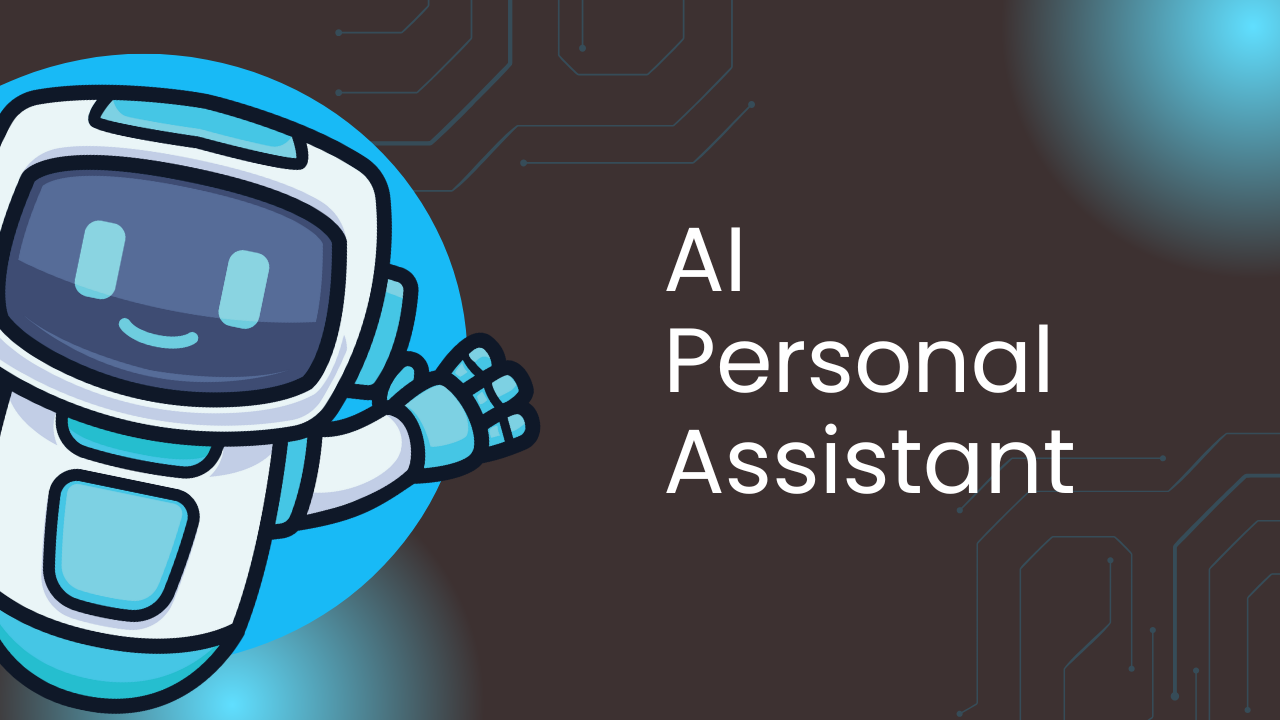
An AI personal assistant is a digital tool powered by artificial intelligence that helps you automate tasks, manage schedules, and stay on top of priorities. Unlike basic to-do apps, the best AI personal assistants can understand natural language, respond to voice or text commands, and learn from your habits to become smarter over time.
These assistants are often built into apps or platforms you already use. Popular examples include Google Gemini (Assistant), ChatGPT, Motion, and Reclaim. They excel at task automation, sending smart reminders, booking calendar events, and integrating seamlessly with your email, messaging, or productivity tools.
Think of them as always-available, AI-powered reminders and productivity partners.
What Is a Virtual Assistant?
A virtual assistant (VA) is a real person you hire (full-time, part-time, or freelance) to handle tasks remotely. Virtual assistants are especially common for entrepreneurs, startups, and busy professionals who need help with admin tasks, research, or even customer support.
Unlike AI assistants, VAs bring the human touch—they can think creatively, manage complex situations, and handle sensitive tasks that require judgment or empathy. Many VAs specialize in certain fields, like bookkeeping, social media management, or sales support.
In short: AI assistants excel at automating tasks, while virtual assistants excel at human judgment and adaptability.
Best AI Personal Assistants to Try in 2025
If you’re considering the best AI personal assistant, here are some standout options:
- Google Gemini (Assistant) – Perfect for voice command AI, natural language understanding, and integration with Android and smart home devices.
- ChatGPT with memory features – Great for personalized workflows, habit tracking, and productivity hacks across platforms.
- Vocaliv – A cutting-edge AI voice coach and productivity assistant designed for educators and professionals. Vocaliv offers interactive voice-based lesson planning, assessments, and real-time feedback, making it perfect for teachers, trainers, and content creators who want a smart, conversational AI tool.
- Reclaim.ai – Excellent for task management AI and time blocking, especially for teams.
- Saner.AI – Focused on digital organization, intelligent reminders, and reducing cognitive overload.
- eesel AI – Privacy-centric assistant designed for enterprise teams, offering secure workflows and automation.
Each of these tools offers unique strengths—whether you need voice commands, calendar optimization, or privacy-first features.
What Makes the Best AI Personal Assistant?
When comparing tools, look for these key criteria:
- Accuracy in natural language processing – Can it understand your commands quickly and correctly?
- Proactivity & context awareness – Does it suggest tasks or remind you before you even ask?
- Integrations – Compatibility with Google Calendar, Outlook, Slack, Trello, or smart home devices.
- Privacy & security – Look for assistants that give you control over your data and memory.
- Pricing model – Some offer free tiers; others require a subscription.
- Ease of use – The interface should be simple enough that you actually want to use it daily.
These features are what separate an average tool from the best AI personal assistant.
Benefits of Using a High-Quality AI Personal Assistant
- Saves time by automating repetitive tasks.
- Improves productivity by keeping you focused on what matters.
- Reduces cognitive overload since you don’t have to remember everything.
- Boosts consistency with daily routines and reminders.
- Integrates into your lifestyle—whether managing meetings, controlling smart devices, or helping with task lists.
For many people, adopting the best AI personal assistant feels like gaining an extra pair of hands.
Challenges & Limitations of AI Assistants
Even the best AI personal assistant comes with limitations:
- Errors in understanding commands can cause frustration.
- Privacy concerns—some tools process data in the cloud, raising security questions.
- Overdependence on connectivity—offline use is often limited.
- Intrusiveness—proactive nudges can sometimes feel pushy.
- Cost vs. benefit—premium features may not be worth it for casual users.
These challenges highlight why some people still prefer the flexibility of a human virtual assistant.
AI Personal Assistant vs. Virtual Assistant: Key Differences
| Feature | Best AI Personal Assistant | Virtual Assistant (Human) |
| Cost | Often cheaper, free tiers available | Higher cost, hourly or monthly rates |
| Availability | 24/7, no breaks | Limited to working hours, time zones |
| Speed | Instant automation | Depends on human response time |
| Complexity Handling | Limited for nuanced tasks | Great for judgment-based, creative work |
| Scalability | Easily scalable across devices | Harder to scale without hiring more VAs |
| Personalization | Learns from habits but less human empathy | Fully personalized with human touch |
FAQs
Q1: What is the best AI personal assistant for scheduling?
Tools like Motion and Reclaim are excellent for smart scheduling and calendar management.
Q2: Are AI personal assistants good at voice commands?
Yes—Google Gemini and Siri excel at natural language understanding and voice control.
Q3: Which is safer: AI personal assistant or virtual assistant?
Both have risks—AI may raise privacy concerns, while VAs require trust in human judgment.
Q4: How much does the best AI personal assistant cost?
Many offer free plans; premium options range from $5–$30 per month.
How to Choose the Right One for You
- If you need automation, speed, and 24/7 availability, the best AI personal assistant is the smarter choice.
- If you need judgment, creativity, and human empathy, a virtual assistant might be worth the investment.
- Some professionals actually use both—AI for automation and VAs for complex, high-touch work.
Future Trends in AI Personal Assistants
Looking ahead, the best AI personal assistants will:
- Become multimodal, using voice, text, and visuals.
- Be more proactive, anticipating needs before you ask.
- Offer on-device AI for privacy and speed.
- Integrate deeper with health and lifestyle tracking.
- Provide personalized memory, remembering preferences and routines over time.
The debate of Best AI Personal Assistant vs. Virtual Assistant isn’t about which is “better”—it’s about which is right for your needs. If you want automation, speed, and cost efficiency, go with an AI assistant. If you need human judgment and creativity, hire a VA. For many busy professionals, the best answer might be a hybrid approach.
Whichever you choose, one thing is clear: the right assistant—digital or human—can transform your productivity, reduce stress, and give you back precious time to focus on what really matters.