
Best AI Personalized Learning Platforms In 2026
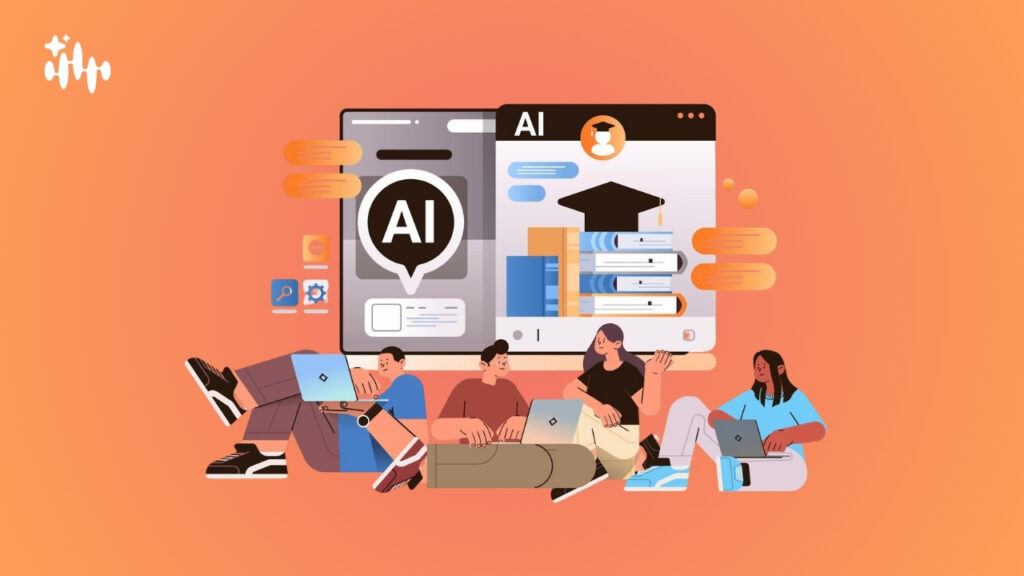
The best AI personalized learning platforms in 2026 are Vocaliv, Docebo, 360Learning, Sana Labs, TalentLMS, and D2L Brightspace each serving a different use case across training institutes, enterprise L&D, and corporate upskilling. What separates them from traditional LMS platforms is real-time adaptive learning, AI-powered course authoring, and automated learner support that scales without adding headcount. With the AI personalized learning market projected to reach $20 billion by 2027 and 79% of L&D teams already using AI in their strategies, choosing the right platform is now a direct lever on training outcomes not just an IT decision. What Are AI Personalized Learning Platforms? Vocaliv’s AI course builder represents how the best AI personalized learning platforms work in 2026: they combine adaptive learning paths, automated content generation, and voice-based delivery to create individualized training experiences without multiplying L&D headcount. These platforms use machine learning and natural language processing to analyze learner behavior, close skill gaps in real time, and scale course production from weeks to hours. Key Takeaways: Why Generic LMS Platforms Are Hitting a Ceiling Most LMS platforms were designed to host content, not create it. They can track completions, issue certificates, and generate dashboards but when an L&D manager needs to build a new compliance module by Friday, those platforms offer a blank editor and a wish of good luck. The shift happening in 2026 is from content delivery toward learning orchestration. AI-assisted authoring can turn documents and internal knowledge into learning content in minutes, while skills intelligence and personalized learning tools help identify gaps and recommend development proactively. The platforms that can’t do both are losing ground fast. Top AI Personalized Learning Platforms in 2026 This comparison covers platforms across use cases enterprise workforce training, independent course creators, and training institutes scaling program delivery. Platform Best For AI Personalization Voice / Audio Content Course Authoring Pricing Model Vocaliv Training providers & institutes Adaptive paths + AI lesson planning ✅ Cloned voice delivery ✅ AI-native builder SaaS (per seat) Docebo Large enterprise LMS Auto-tagging + skill recommendations ❌ ✅ Creator module Enterprise (custom) 360Learning Collaborative upskilling Peer-driven + AI content prompts ❌ ✅ Native authoring From $8/user/mo Sana Labs Corporate adaptive training Real-time content adaptation ❌ ✅ AI quiz + summaries Custom enterprise TalentLMS SMB training programs TalentCraft AI generator ❌ ✅ Prompt-based From $69/mo D2L Brightspace Higher ed + regulated industries Lumi AI (educator-controlled) ❌ ✅ Modular Enterprise (custom) The table exposes a consistent gap: no platform in the enterprise tier supports voice-cloned audio delivery, which is where training institutes and content-heavy programs lose learner attention most quickly. What Makes Vocaliv Different for Training Providers Most platforms on this list were designed for corporate L&D departments managing existing workforces. Vocaliv was built for a different problem: training institutes and independent providers who need to launch new programs faster, reduce the manual workload on instructors, and maintain learner engagement across asynchronous delivery. The core capability is AI-powered lesson planning paired with voice-based content creation. An instructor records or uploads their voice once. Vocaliv clones it, then uses it to narrate new lessons, update existing modules, and respond to student queries without the instructor re-recording anything. This compresses the content production cycle from days to hours. Where platforms like Sana Labs and 360Learning focus on getting learners through existing content faster, Vocaliv focuses on helping providers produce better content in the first place then deliver it in a format that holds attention. Most training providers don’t realize how much their completion rates are driven by delivery format rather than content quality. To understand the full spectrum of how leading platforms handle adaptive delivery, pacing, and learner retention, read our detailed breakdown of the top AI learning platforms of 2026 and see how each handles the content-to-completion pipeline. The Three Capabilities That Actually Move Completion Rates Comparing feature lists is less useful than understanding which capabilities have a measurable impact on learner behavior. Based on 2026 platform data, three drive the clearest outcomes: 1. Adaptive Pacing (not just adaptive paths) Path personalization routing a learner to Module B instead of Module C is table stakes. Real AI personalization adapts to how a learner engages, spots knowledge gaps before the learner notices them, and adjusts content difficulty based on progress. Only a handful of platforms on this list do this without requiring manual configuration from L&D admins. 2. Voice-First Content Delivery Modern professionals are increasingly relying on tools that transform scattered content into personalized, commute-ready audio lessons. Text-heavy modules consistently underperform audio and video equivalents across retention benchmarks. Platforms that can generate or clone instructor audio natively remove the production bottleneck entirely. 3. 24/7 AI Student Support Learners don’t get stuck between 9am and 5pm. An AI assistant embedded in the course trained on the course content itself handles the repetitive “where do I find X” and “can you re-explain Y” queries that eat instructor time and delay learner progress. Frequently Asked Question
Top AI Learning Platforms of 2026 (Ranked & Compared)

The top AI learning solutions of 2026 fall into two camps: full learning platforms Docebo, 360Learning, Sana Labs, Absorb LMS, Cornerstone, and Go1 that deliver and personalize content, and AI learning-automation layers like Vocaliv that sit on top to automate course creation, learner support, and ROI reporting. Which is right depends on your bottleneck: content delivery or the manual work around it. Below we rank and compare both. Key Takeaways What Makes a Learning Platform “AI-Powered” in 2026? An AI learning platform uses machine learning, natural language processing, and generative AI to personalize and automate training. It goes beyond a traditional LMS which stores and delivers content by making real-time decisions: recommending paths, generating assessments, and flagging who is struggling. The bar in 2026 is higher than a chatbot bolted onto a course catalog. The platforms below earn their place by automating work L&D teams used to do by hand. The Top AI Learning Platforms of 2026 Featured: Vocaliv – Best for automating the work around training Vocaliv is not another LMS, it is an AI learning-automation layer. It converts documents and PDFs into structured courses, generates quizzes and learning paths, deploys AI coaches that answer most learner questions in real time, and reports ROI to stakeholders. If your real bottleneck is manual support, course building, and reporting rather than content delivery, this is the category to start with. The platforms below remain the leaders for content delivery and personalization: 1. Docebo – Best for enterprise scale Docebo combines LMS and learning experience platform (LXP) capabilities with agentic AI that runs deep searches and integrates with systems like Salesforce. Its skills management tracks learner progress and shapes adaptive experiences from real-time data. Best for large organizations that need configurability and scale. 2. 360Learning – Best for collaborative learning Built around a “Learning Champions” model, 360Learning lets subject-matter experts co-author training in a peer-driven environment. Its AI can draft a first course from an uploaded document and suggest quiz questions, reducing the load on experts. Best for companies building a collaborative learning culture. 3. Sana Labs – Best for knowledge capture Sana stands out for AI that transcribes, summarizes, and indexes meetings and content, turning organizational knowledge into searchable learning material. Best for teams that want to convert live knowledge into reusable training fast. 4. Absorb LMS – Best for admin efficiency A cloud-based AI LMS focused on reducing administrative burden through adaptive recommendations, gamification, and analytics that show who is succeeding and where learners drop off. Best for lean teams that need automation without heavy setup. 5. Cornerstone – Best for compliance-heavy orgs Cornerstone uses generative AI to create microlearning modules and assessment questions from policy documents and internal knowledge bases. Best for regulated industries with large compliance training demands. 6. Go1 – Best for content breadth Less an LMS than a content ecosystem, Go1 offers thousands of AI courses from hundreds of providers, with AI matching employees to content by role and skill level. Best for organizations that need ready-made content depth over a build-it-yourself toolkit. Comparison Table Platform Best for AI authoring Personalized paths Standout strength Vocaliv (automation layer) Cutting manual workload Yes Yes AI coaches + auto ROI reporting Docebo Enterprise scale Yes Yes Agentic AI + integrations 360Learning Collaborative teams Yes Yes Peer-driven authoring Sana Labs Knowledge capture Yes Yes Meeting transcription/indexing Absorb LMS Admin efficiency Limited Yes Low-overhead automation Cornerstone Compliance Yes Yes Doc-to-microlearning Go1 Content breadth No (curated) Yes 2,000+ ready courses The Category Most Lists Miss: AI Learning-Automation Layers Every platform above improves how content is delivered and personalized. None of them fully solve the workload around the content, the repetitive learner questions, the manual course building, the ROI reporting that eats instructor and admin time. That is a different category: an AI learning-automation layer. It works alongside the platforms above, not instead of them, and its job is to remove manual effort. This is where Vocaliv fits. Vocaliv converts documents and PDFs into structured courses, generates quizzes and learning paths, deploys AI coaches that answer learner questions in real time, and reports ROI to stakeholders. The goal is concrete: handle the majority of routine learner questions automatically, lift completion on long programs, and make training impact visible so instructors spend their time teaching, not re-answering the same question. If your bottleneck is manual support and reporting rather than content delivery, that is the layer to automate. How to Choose the Right AI Learning Platform Map the choice to your bottleneck, not to a feature list. The best-ranked platform is the one that removes your biggest source of manual effort. Frequently Asked Questions Find the Right Fit and Automate the Rest Choosing a platform solves content delivery. It does not solve the manual support, course-building, and reporting that cap how much training you can deliver. Vocaliv automates that layer turning your existing documents into adaptive courses, answering most learner questions automatically, and proving ROI to your stakeholders.