
AI Cybersecurity Training Tools: Features to Look for in 2026
AI cybersecurity training tools use machine learning to deliver personalized, adaptive security education that responds to individual employee vulnerabilities. The top features to look for in 2026 include adaptive learning paths, realistic threat simulations, behavioral analytics, automated content generation, real-time feedback, and seamless integration capabilities. Cybercriminals are no longer working alone. They’re using artificial intelligence to craft perfect phishing emails, create deepfake videos of your CEO, and launch attacks that adapt in real time. If your training program still relies on annual compliance videos and static modules, you’re bringing a knife to a gunfight. The cybersecurity training landscape has transformed dramatically. With 74% of data breaches caused by human error and AI-powered threats becoming indistinguishable from legitimate communications, organizations need training solutions that are just as intelligent as the attacks they’re defending against. What Makes AI Cybersecurity Training Different? AI cybersecurity training is an intelligent, adaptive learning system that uses machine learning algorithms to analyze employee behavior, identify vulnerabilities, and deliver personalized security education based on individual risk profiles. Key Differences from Traditional Training Traditional Training AI Cybersecurity Training One-size-fits-all approach Personalized learning paths Static annual modules Continuous adaptive content Generic test scenarios Realistic, evolving simulations Completion-based metrics Behavior-based risk scoring Manual content updates Automated threat intelligence integration AI training platforms continuously adapt based on: Essential AI Cybersecurity Training Features for 2026 1. Adaptive Learning Paths Dynamic training experiences that evolve based on individual user performance and learning speed. Key capabilities: Why it matters: A finance employee struggling with invoice fraud receives targeted training different from an executive vulnerable to business email compromise. 2. Realistic Threat Simulations What to expect: Hyperrealistic attack scenarios that mirror actual cybercriminal techniques used today. Must-have simulation types (2026 standard): Advanced features: 3. Behavioral Analytics and Risk Scoring What it measures: Individual employee risk levels based on actual behavior, not just test scores. Critical metrics tracked: Individual risk scores that enable targeted intervention before breaches occur. Business value: Identifies high-risk employees for priority training rather than treating all staff equally. 4. Automated Content Generation Automatically creates new training scenarios based on emerging threats detected across networks. How it works: Your team trains against current threats, not outdated examples from previous years. 5. Real-Time Feedback and Microlearning Digestible 3-5 minute learning modules delivered at point of need. Key components: Creates lasting behavioral change superior to annual compliance courses. 6. Integration Capabilities Essential integrations for 2026: Security stack: Communication platforms: HR and learning systems: API capabilities: Automatically trigger training based on real security events (e.g., clicking suspicious links initiates immediate targeted training). Leading AI Cybersecurity Training Solutions in 2026 Vocaliv AI Training Platform Comprehensive AI-powered cybersecurity education platform designed for AI, EdTech, SaaS, and Learning & Development organizations. Key differentiators: Best for: Organizations seeking comprehensive, automated training that evolves with emerging threats. Comparison Framework for Other Tools Platform Primary Strength Best Use Case Adaptive Security Personalized risk remediation Behavioral analytics focus Immersive Labs Hands-on virtual environments Incident response practice KnowBe4 Extensive content libraries Large enterprise deployments CybeReady Automated training programs Deepfake awareness training Evaluation criteria: Assess based on organization size, industry requirements, specific security challenges, and budget constraints. Measuring Training Effectiveness Key Performance Indicators (KPIs) Behavioral metrics: Organizational metrics: ROI calculation framework: Selection Criteria Checklist Critical Questions for 2026 Technical requirements: Reporting and compliance: Operational efficiency: Red flag: If your security team spends hours manually creating content or managing campaigns, you’re not getting full value from AI-powered training. Building a Security-First Culture Transform employees from your biggest vulnerability into your strongest defense through lasting behavioral change. Required elements: Security becomes part of daily decision-making, not an afterthought. Implementation Best Practices for 2026 Phase 1: Assessment (Weeks 1-2) Phase 2: Platform Selection (Weeks 3-4) Phase 3: Deployment (Weeks 5-8) Phase 4: Optimization (Ongoing) Frequently Asked Questions Q1: Can cyber security be done by AI? Yes, cybersecurity can be done with AI. AI helps by detecting threats, monitoring unusual behavior, preventing attacks in real time, and responding faster than manual systems, while human experts still handle strategy and critical decisions. Q2: What are the 7 types of cyber security? The seven types of cybersecurity are network security, application security, cloud security, endpoint security, data security, identity and access management, and operational security. Q3: Which AI is best for cyber security? For cybersecurity, AI tools like Darktrace and CrowdStrike lead threat detection, while vocaliv is best for AI driven cybersecurity training and awareness. Conclusion The cyber threat landscape isn’t slowing down. Every day your team goes without effective AI-powered training is another day of vulnerability. Don’t wait for a breach to realize your current program isn’t working. Vocaliv specializes in delivering cutting-edge AI cybersecurity training solutions tailored for modern organizations. Our platform combines adaptive learning technology, realistic threat simulations, and comprehensive analytics to build genuine security readiness across your entire team. Contact Vocaliv today to book a demo and discover how our AI-powered training platform can transform your organization’s security posture. Let’s build a cyber-resilient workforce together.
Top 9 Cybersecurity Trainings to Protect Your Organization
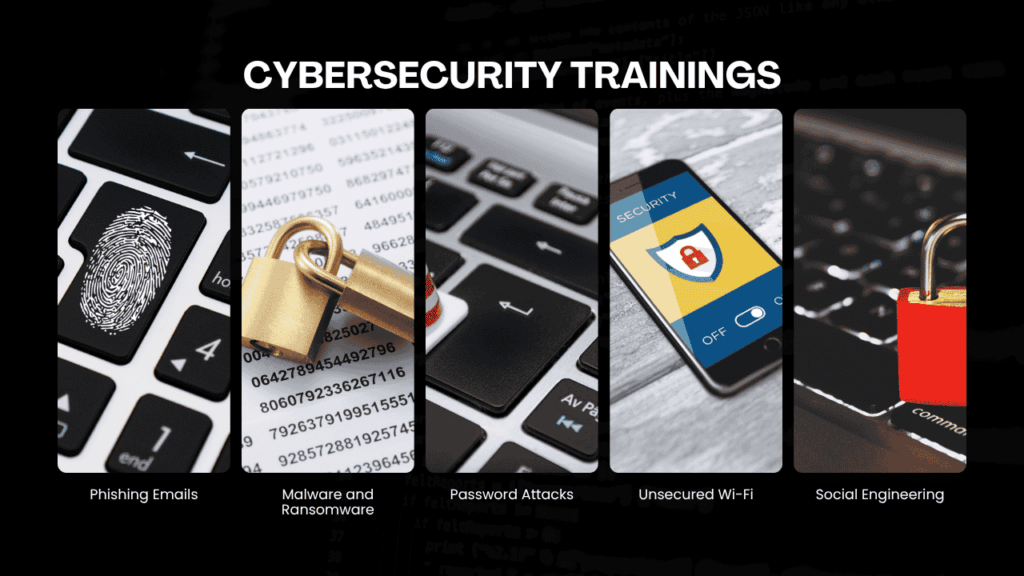
Increasing cyberattacks targeting organizations of all sizes are making cybersecurity a necessity for business survival. As cyberattacks become increasingly common, companies are realizing that cybersecurity training is one of the most effective ways to safeguard their digital assets, data, and customer trust.. Let’s explore the top cybersecurity trainings shaping modern workplaces — including AI-powered learning programs from Vocaliv, a leading name in AI, EdTech, SaaS, and Learning & Development (L&D) that’s helping organizations strengthen their digital defense strategies. The Growing Importance of Cybersecurity Learning According to Cybersecurity Ventures, global cybercrime costs will reach $10.5 trillion annually by 2025. With such staggering risks, upskilling employees in cybersecurity isn’t optional — it’s essential. Modern cybersecurity isn’t about just firewalls or antivirus software anymore. It’s about empowering people to detect, prevent, and respond to threats effectively — and that’s exactly what Vocaliv’s AI-powered training model achieves. 1. CompTIA Security+ A staple in the cybersecurity world, CompTIA Security+ provides a foundational understanding of network security, risk management, and threat mitigation.It’s ideal for beginners aiming to kickstart a cybersecurity career or professionals looking to validate their skills with a globally recognized certification. 2. Certified Ethical Hacker (CEH) Ethical hacking has become one of the most in-demand skills in cybersecurity. The CEH certification by EC-Council teaches how to think like a hacker to prevent potential breaches. 3. CISSP – Certified Information Systems Security Professional If you’re aiming for leadership in cybersecurity, CISSP is the gold standard. It focuses on developing strategies for securing organizational infrastructure and managing risk across enterprise environments. 4. Google Cybersecurity Professional Certificate Offered through Coursera, Google’s program blends accessibility with industry relevance. It’s beginner-friendly and includes hands-on projects that simulate real-world attacks and incident responses. 5. Certified Cloud Security Professional (CCSP) With businesses moving to the cloud, cloud security has become critical. CCSP, offered by (ISC)², trains professionals in cloud data protection, identity management, and compliance. 6. Cybersecurity for Business Leaders (Harvard Online) For executives and decision-makers, Harvard’s Cybersecurity for Business Leaders program explains how cybersecurity impacts operations and strategy. It helps leadership teams understand risks and align security with business growth. 7. IBM Cybersecurity Analyst Professional Certificate IBM’s online certification is highly practical and industry-oriented. It focuses on incident detection, penetration testing, and SIEM tools (Security Information and Event Management). 8. SANS Cyber Aces Online SANS Institute is known for some of the best cybersecurity courses worldwide. The Cyber Aces Online program is free and beginner-friendly, offering a great foundation in operating systems, networking, and system administration security. 9. MIT Professional Education – Cybersecurity: Technology, Application, and Policy For advanced learners, MIT’s course dives deep into policy, technology, and real-world applications of cybersecurity. It’s designed for professionals wanting to integrate technical expertise with strategic understanding. Why Choose Vocaliv For Cybersecurity Trainings? Choosing Vocaliv means you’re selecting a modern, AI-driven cybersecurity training platform that adapts to real-world business needs. Vocaliv’s solution allows you to upload existing policies or training content and instantly convert them into dynamic, interactive modules—complete with narrated lessons, simulation-based exercises, quizzes, and multilingual delivery. According to their website, the platform drives measurable results in productivity and reduces training time by integrating AI, voice-cloning, and custom dashboards for monitoring learner progress in real time. Topics covered span threat detection, data protection, remote-work security, and compliance—giving teams the technical knowledge and behavioral awareness needed to stay ahead of evolving cyber risks. FAQs 1. What are the AI Powered Education Platforms for Cybersecurity Trainings? AI-powered education platforms for cybersecurity training include Vocaliv, IBM SkillsBuild, Cyber School Israel, and NobleProg, offering adaptive learning and real-world simulations. 2. Why is cybersecurity training important for employees? Cybersecurity training is important for employees because it helps prevent data breaches, reduces human error, and strengthens an organization’s overall security posture. Cybersecurity training is no longer a luxury — it’s a strategic investment. From AI-enhanced learning platforms like Vocaliv to globally recognized certifications, the opportunities to strengthen your defenses are vast. If your organization wants to build cyber resilience with cutting-edge AI learning solutions, explore Vocaliv’s Cybersecurity Programs today — and stay one step ahead of tomorrow’s digital threats.