Traditional classrooms often fail to meet the unique needs of every learner. Some students need visual aids, others retain information better through hands-on activities, while a few thrive by listening. Yet most education systems still follow a rigid, one-size-fits-all approach.
This mismatch leads to disengagement, lower academic performance, and missed opportunities for students who simply learn differently. When students feel unseen or misunderstood, it can erode their confidence and motivation to learn.
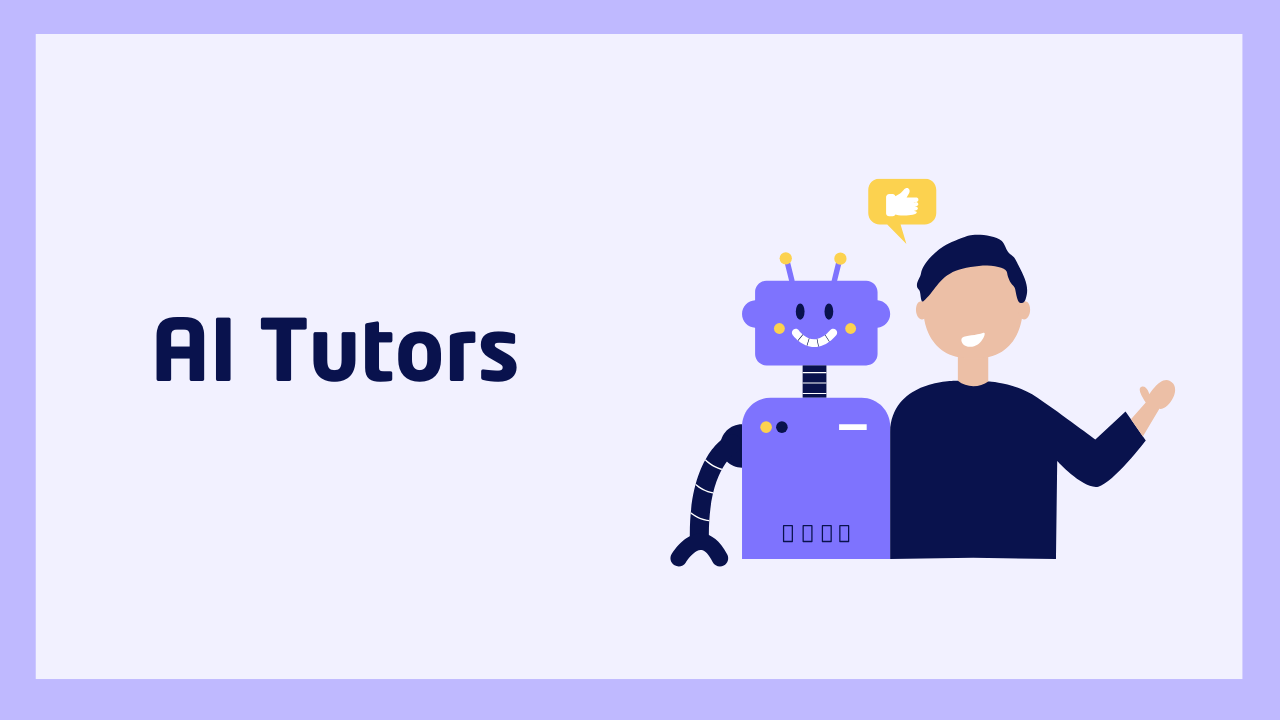
Enter AI Tutors — intelligent, personalized learning assistants that recognize how you learn best. Using machine learning, real-time feedback, and adaptive learning technology, AI tutors customize the educational experience for every student. It’s like having a 24/7 personal teacher who truly gets you.
Understanding AI Tutors and Personalized Learning
AI Tutors are virtual education assistants powered by artificial intelligence. These platforms use intelligent algorithms and data analytics to understand how a student learns, what topics they struggle with, and how to deliver content most effectively. Unlike static educational content, AI-powered tutoring systems offer real-time question answering, tailored feedback, and personalized lesson generation.
Platforms like Khan Academy’s Khanmigo and Duolingo’s AI features are already transforming how students interact with educational content by adapting to their learning pace, strengths, and weaknesses.
What Are Learning Styles, and Why Do They Matter?
Learning styles refer to the preferred ways individuals process and absorb information. The most commonly accepted categories include:
- Visual learners – understand information better through images, diagrams, and spatial understanding.
- Auditory learners – retain knowledge through listening, discussions, and audio content.
- Kinesthetic learners – learn by doing, touching, and hands-on experiences.
- Reading/Writing learners – prefer text-based learning through notes, articles, and reading material.
While some educational researchers argue that learning styles are not always scientifically reliable, adaptive learning platforms still use these categories as a foundation to deliver more engaging and customized learning experiences.
How AI Tutors Detect and Adapt to Learning Styles
AI Tutors use a combination of technologies to tailor learning content to individual styles:
- Behavioral Analytics: Track how students interact with different types of content—how long they spend on a topic, which formats they prefer, and where they struggle.
- Machine Learning Algorithms: Identify patterns and adapt the delivery of future content based on performance.
- Natural Language Processing (NLP): Understand written and spoken questions, enabling real-time, contextual responses.
- Learning Analytics: Continuously analyze academic progress and adjust lesson difficulty and format.
For example, a student who consistently performs better with diagrams than reading passages will begin to receive more image-based learning modules over time.
Case Studies: AI Tutors in the Real World
1. Duolingo: This language-learning app uses AI to personalize language instruction. It tracks learner progress, adapts questions accordingly, and adjusts the difficulty level in real time. Their AI system has shown to improve learning efficiency by over 30% (source).
2. Khan Academy’s Khanmigo: Powered by GPT-4, Khanmigo provides tailored tutoring experiences for students. It not only helps solve problems but explains concepts interactively, helping both visual and verbal learners better understand topics.
3. Squirrel AI: An adaptive learning platform in China, Squirrel AI maps cognitive learning patterns and provides one-on-one AI-driven tutoring, boasting a 40% increase in student test scores in underperforming regions.
4. Vocaliv: A 24/7 AI tutor platform, Vocaliv offers automated lesson generation, real-time question answering, and multilingual AI support. What sets Vocaliv apart is its highly interactive experience that adapts in real time to the user’s preferred learning style—whether visual, auditory, or kinesthetic. Vocaliv is particularly effective for learners seeking fast, personalized feedback and a more immersive approach to study. As part of its commitment to global learning equity, Vocaliv serves students in multiple languages and academic disciplines, helping bridge the educational gap in underserved regions. Learn more at Vocaliv.com.
Benefits of AI Tutors for Every Learning Style
- Enhanced Engagement: Students receive content in the format they find most engaging, leading to increased motivation.
- Improved Performance: When learning is personalized, academic results improve. A McKinsey report shows that adaptive learning tools can improve outcomes by up to 50%.
- Inclusivity: AI Tutors support students with learning disabilities by providing multimodal learning paths.
- Scalability: AI-powered education can scale to reach millions globally, offering individualized learning at scale.
The Future of AI Tutors in Education
Looking forward, AI tutors are expected to integrate with emerging technologies like virtual reality, creating immersive learning environments. Additionally, advancements in cognitive computing may allow AI to detect emotional cues, offering empathetic and emotionally aware responses. Governments and educators are also exploring hybrid learning models that combine AI-driven personalization with traditional teaching methods.
Frequently Asked Questions (FAQs)
Q1: How do AI tutors determine a student’s learning style?
They analyze user behavior, engagement metrics, and performance patterns to infer preferred content formats and adjust delivery accordingly.
Q2: Are AI tutors suitable for young learners?
Yes, with age-appropriate interfaces and content, they can be highly effective.
Q3: Do AI tutors support students with learning disabilities?
Yes. Many AI tutors include accessibility features such as text-to-speech, subtitles, and customizable content formats.
AI Tutors are revolutionizing personalized learning by adapting to how students learn best. By combining data-driven insights, real-time feedback, and multilingual, interactive lessons, these intelligent platforms are making education more inclusive and effective. As AI continues to evolve, the future of learning looks smarter, more personalized, and truly student-first.
Ready to explore personalized learning with AI Tutors? Start here at Vocaliv.com — your 24/7 AI teacher.