
Call Center Training LMS: Reduce Training Time by 24%

Every minute in a call center matters. When agents spend too long in training, productivity drops and so does customer satisfaction. That’s why leading organizations are switching to Call Center Training LMS platforms that dramatically cut onboarding time, improve retention, and boost performance. We’ve seen how an effective Learning Management System (LMS) can transform call center operations. Companies using our AI-powered learning tools have reported up to 24% faster training completion, with agents becoming more confident and customer-ready sooner than ever. Let’s explore how a Call Center Training LMS achieves those results and how your business can, too. What Is a Call Center Training LMS? A Call Center Training LMS (Learning Management System) is a digital platform that helps organizations train, track, and upskill their customer support agents efficiently. Instead of relying on traditional classroom sessions or lengthy manuals, LMS platforms deliver interactive, personalized learning through videos, simulations, microlearning modules, and real-time feedback. In short, it turns your training process from reactive to strategic. Key Benefits of a Call Center Training LMS: Why Call Centers Are Adopting LMS Platforms Call centers face high turnover rates, complex compliance requirements, and the need for continuous skill development. Traditional training simply can’t keep up. An LMS built for call centers, like Vocaliv’s AI Coaching Platform, provides a data-driven approach that aligns employee performance with customer expectations. Here’s what sets modern LMS solutions apart: This modernized approach ensures faster learning, higher retention, and better customer interactions. How Vocaliv Reduces Training Time by 24% At Vocaliv, our clients report up to 24% shorter training cycles after implementing our LMS — and here’s why it works. 1. Microlearning Increases Retention Instead of overwhelming agents with long sessions, microlearning breaks down content into short, focused lessons.These bite-sized modules are easier to digest and remember, meaning agents can apply what they learn almost immediately. 2. Automated Learning Paths Save Time AI-driven systems automatically assign courses based on role, skill level, or performance data.No manual scheduling. No confusion. Just personalized learning that flows naturally. 3. Interactive Scenarios Build Real Confidence Through simulated call situations, agents can practice tone, empathy, and product knowledge in a safe, guided environment.This accelerates readiness without the need for lengthy role-playing sessions. 4. Instant Feedback Prevents Rework An LMS provides instant scoring and coaching insights, so trainers can correct mistakes early, preventing future retraining. 5. Cloud-Based Access Boosts Flexibility Agents can train remotely or on-site without disrupting operations. That means less downtime and more productivity across shifts. What Features to Look for in a Call Center Training LMS When choosing the right Call Center Training LMS, focus on platforms that combine AI, analytics, and automation for maximum impact. Here’s a checklist to guide your selection: Platforms like Vocaliv’s AI Coaching Platform make it easier to blend automation with real-world performance metrics — ensuring measurable improvement across teams. Real-World Results: From Onboarding to Performance Boost When one of our client contact centers implemented Vocaliv’s Call Center Training LMS, they achieved remarkable results within 60 days: These numbers aren’t theoretical — they’re proof that data-driven training can drive real business outcomes. How AI Enhances Call Center Learning LMS AI is the backbone of next-generation call center training LMS solutions. It makes learning smarter, faster, and more human-centered. Here’s how: By combining automation with personalization, AI helps call centers scale quality training without increasing trainer workload. FAQs Q1: What is LMS in call center? An LMS in a call center is a Learning Management System used to train agents, track performance, and deliver ongoing skill development efficiently. Q2: What is an LMS for training? An LMS for training is a Learning Management System that helps organizations create, manage, and deliver educational courses or training programs online. Q3: How much time can an LMS save in training? Organizations have reported up to 24% faster training cycles after adopting AI-powered LMS systems. Q4: What is the best training for call center agents? The best call center training programs, like those offered by Vocaliv, use AI-driven simulations, real-call scenarios, and soft-skill development to boost agent performance and customer satisfaction. Q5: What course is best for a call center? A top course for call center roles focuses on communication, customer service techniques, call-handling software and stress management—delivered online or in-person to build practical agent skills. Summary A Call Center Training LMS is no longer just a “nice-to-have” it’s a strategic advantage. By automating learning, personalizing experiences, and integrating analytics, call centers can shorten training cycles by 24% or more while improving customer satisfaction. Vocaliv specializes in AI-powered learning solutions that transform how organizations train and develop their teams. From onboarding to performance coaching, our LMS is built to make every learning moment count. Schedule a demo with Vocaliv and discover how to revolutionize your call center training today.
How to Build a Successful Customer Training Program
Suppose your customers signed up for your SaaS platform or eLearning tool, but they don’t know how to use it effectively. The result is frustration, cancellations, and lost trust. In this case, a Customer Training Program bridges the gap between a product’s potential and customer success. A well-structured training program doesn’t just instruct users; it empowers them, creating loyal advocates who spread the word. We’ll break down exactly how to build a customer training program that drives adoption, reduces churn, and strengthens your brand. What Is a Customer Training Program? A Customer Training Program is a structured learning experience that helps customers understand and get maximum value from your product or service. It’s commonly used by SaaS, AI, EdTech, and Learning & Development (L&D) companies to: In short, customer training is the engine behind customer success and every business that cares about user experience should invest in one. Why Customer Training Programs Matter More Than Ever In today’s digital-first economy, your product isn’t enough. How customers use it determines whether they stay or churn. According to a report by ThinkImpact, over 90% of customers say that the companies they stay loyal to “make it easy to learn and use their products.” For industries like AI, SaaS, and EdTech, where technologies evolve rapidly, customer training ensures users stay confident and capable. Here’s what effective training delivers: How to Build a Successful Customer Training Program Let’s dive into the core steps that make a customer training program truly successful. 1. Identify Training Goals and Audience Needs Start by defining what success looks like for both your company and your customers. Ask: Pro Tip: Segment your audience, new users need onboarding; advanced users might prefer feature deep-dives or certification programs. 2. Map the Learning Journey A strong learning journey is like a guided path that takes customers from confusion to confidence. Structure it into stages: Tools like Vocaliv’s AI Coaching Platform can automate this journey with personalized learning recommendations and real-time feedback. 3. Choose the Right Training Format Not all customers learn the same way. Offer multiple learning formats to cater to different preferences: 4. Create Engaging and Practical Content Engagement drives retention. Avoid text-heavy manuals — instead, use interactive, visual, and scenario-based content. Here’s how to keep learners hooked: Tools powered by AI and analytics (like those from Vocaliv) can help personalize learning paths and recommend modules based on customer behavior. 5. Measure Success and Collect Feedback What gets measured, gets improved. Key metrics to track: Encourage post-training surveys and interviews. Then, refine content and delivery based on what customers say. 6. Continuously Improve and Scale Your product evolves your training should too. Keep your content dynamic: Scaling becomes easier when your training program is automated, modular, and data-driven. Common Mistakes to Avoid Even great companies stumble. Here are pitfalls to watch out for: Best Practices from Industry Leaders Top-performing SaaS and EdTech companies share a few common strategies: Take inspiration — but personalize your approach. Your audience, product, and brand voice are unique. FAQs Q1: What is a customer training program? A customer training program is a structured learning plan that helps customers understand and effectively use a company’s products or services. Q2: What is the 10 5 3 rule in customer service? The 10-5-3 rule in customer service means smiling at customers from 10 feet away, making eye contact at 5 feet, and greeting them within 3 feet. Q3: What is the best customer service training program? The best customer service training programs, like those offered by Vocaliv, focus on communication skills, empathy, and AI-driven simulations to enhance real-world customer interactions. Q4: What are the 7 skills of good customer service? The 7 skills of good customer service are communication, empathy, patience, problem-solving, active listening, adaptability, and product knowledge. Summary A well-designed Customer Training Program is more than an onboarding tool — it’s a growth engine. It boosts user confidence, reduces churn, and transforms customers into champions of your brand. If you’re ready to create a smarter, AI-powered customer training experience, get in touch with Vocaliv today.
The 5 Best Online Learning Platforms for Smarter Training
Do you remember what corporate training was like – sitting through daylong PowerPoint presentations in a stuffy conference room? Now that those days are over, the learning landscape has transformed entirely, and businesses that have not yet caught up are already falling behind. The shift to digital learning isn’t just a trend, it’s a fundamental change in how organizations develop their teams. Companies using the best online learning platforms report 42% higher revenue per employee and see completion rates that blow traditional methods out of the water. But here’s the challenge: with hundreds of platforms claiming to be the solution, how do you choose the right one? Let’s cut through the noise and explore five platforms that are actually transforming how businesses train their teams. Why Your Choice of Learning Platform Matters More Than Ever Before we dive into the platforms, let’s talk about what’s at stake. The right learning management system doesn’t just deliver courses it becomes the backbone of your talent development strategy. A poor choice can mean wasted budgets, frustrated learners, and skills gaps that never close. The best online learning platforms share three critical traits: they engage learners, provide measurable results, and scale with your organization. Keep these in mind as we explore your options. 1. Vocaliv: Your Partner in AI-Powered Learning Solutions When it comes to creating truly customized learning experiences that align with your business goals, Vocaliv stands in a category of its own. Unlike off-the-shelf platforms, Vocaliv specializes in building tailored AI-driven learning solutions that address your unique challenges. What sets Vocaliv apart: Vocaliv works with organizations across industries to transform generic training into strategic learning experiences. Whether you need compliance training that people actually complete or technical upskilling that drives measurable performance improvements, Vocaliv’s team brings the EdTech expertise to make it happen. Best for: Organizations seeking customized learning solutions with dedicated support, AI integration capabilities, and content that reflects their unique brand and processes. 2. Coursera for Business: Enterprise-Grade Content That Actually Works When you need recognized credentials and university-level content, Coursera for Business stands out. This platform gives your team access to over 7,000 courses from institutions like Stanford, Yale, and Google. Coursera works best for organizations that value academic rigor and want employees to earn recognized credentials. The content quality is consistently high, though the corporate features can feel less developed than purpose-built LMS solutions. 3. LinkedIn Learning: The Power of Professional Context LinkedIn Learning brings something unique to the table—it connects learning directly to career growth within the world’s largest professional network. With over 20,000 courses taught by industry experts, it covers everything from software development to leadership skills. The platform shines in its ability to recommend content based on job titles, career goals, and trending skills in your industry. Every completed course appears on learners’ LinkedIn profiles, creating built-in motivation. The platform works brilliantly for continuous learning cultures but may need supplementing with your own custom content for company-specific training needs. 4. Udemy Business: Budget-Friendly Without Compromising Quality If you’re working with tighter budgets but still need comprehensive training options, Udemy Business deserves serious consideration. The platform offers over 25,000 curated courses at a fraction of what enterprise platforms typically cost. What sets Udemy apart is its practitioner-led approach. Courses come from professionals actively working in their fields, bringing real-world perspective that academic content sometimes lacks. The AI-powered recommendations get smarter as your team uses the platform. The trade-off? Less polish than premium platforms and variable content quality, though Udemy’s business curation helps filter out weaker courses. 5. Docebo: The AI-Powered Learning Ecosystem When you need a true learning management system that goes beyond content delivery, Docebo enters the conversation. This platform uses AI to personalize learning experiences, automate administrative tasks, and predict what training your team needs next. Docebo’s learning intelligence automatically suggests relevant content, identifies skills gaps, and creates customized learning paths for each user. The platform also excels at social learning, turning your organization’s collective knowledge into a searchable resource. The learning curve is steeper than simpler platforms, and you’ll need dedicated resources to maximize its potential. But for organizations serious about strategic learning and development, that investment pays dividends. How to Choose Your Perfect Platform Selecting from the best online learning platforms isn’t about finding the objectively “best” option, it’s about finding your best fit. Start by asking these questions: What’s your primary training goal—compliance, skills development, or culture building? How much customization do you need? What’s your realistic budget, including implementation and ongoing management? Does your team need mobile access and offline capabilities? Most platforms offer free trials. Take advantage of them. Get actual users on the system before committing, and pay attention to adoption rates during your trial period. FAQs Q1:Which is the best online platform for learning? The best online learning platforms include Vocaliv which excels in custom AI-powered solutions, Coursera, Udemy, and edX, offering a wide range of certified courses from top universities and experts. Q2:What are the 7 types of learning? The 7 types of learning are visual, auditory, verbal, physical (kinesthetic), logical, social, and solitary learning. Q3:Which is the world’s biggest free education platform? The world’s biggest free education platform is Khan Academy, offering thousands of free courses across subjects like math, science, and computer programming. The right learning platform isn’t an expense, it’s an investment in your organization’s future capabilities. Whether you’re building technical skills, developing leaders, or ensuring compliance, these platforms provide the foundation for measurable growth. At Vocaliv, we help organizations design and implement learning strategies that actually drive results. Our expertise in AI-powered EdTech and learning development means we can guide you beyond platform selection to create training programs your team will actually use and benefit from. Let’s talk about your learning goals. Contact Vocaliv today for a consultation on building a training strategy that matches your ambitions. We’ll help you choose the right platform, develop compelling content, and create a learning culture that turns training into competitive advantage.
How to Choose the Best LMS for Your Organization in 2025?

The best LMS for your organization is more than a technical choice in today’s rapidly evolving digital learning environment. With hybrid workplaces, remote learning, and AI-driven personalization shaping the future, organizations in 2025 need learning platforms that go beyond course delivery to boost engagement, measure performance, and nurture long-term development.. Whether you’re part of an enterprise, educational institution, or corporate training division, the right Learning Management System (LMS) can streamline operations and improve learning outcomes But with hundreds of options out there, how do you find the perfect fit? Here’s how you can make a smart, future-proof LMS choice. What Is an LMS and Why Does It Matter? A Learning Management System (LMS) is a software platform that helps organizations create, deliver, track, and manage learning programs. It’s the backbone of e-learning and corporate training — enabling HR teams, managers, and educators to manage both online and blended learning environments efficiently. In 2025, the LMS landscape is transforming with AI, automation, and data analytics playing pivotal roles. Platforms like Vocaliv are redefining learning by integrating smart features that personalize user experiences and optimize training paths based on learner behavior and performance. Why Choosing the Right LMS Matters in 2025 Picking the wrong LMS can lead to poor adoption rates, disengaged learners, and wasted resources. On the other hand, a well-chosen system can: As the corporate training world leans toward AI-powered and data-driven learning, having the right LMS gives you a competitive edge. Key Features to Look For in the Best LMS for Your Organization 1. AI-Powered Personalization AI-driven LMS platforms adapt to individual learning preferences, recommending relevant courses and adjusting difficulty levels based on progress. For example, Vocaliv’s AI learning tools analyze user performance to create personalized learning paths — helping every learner reach their full potential. 2. Intuitive User Experience (UX) A great LMS should be easy to navigate for both learners and administrators. Look for a clean, intuitive dashboard, minimal onboarding time, and mobile accessibility. The more user-friendly the interface, the higher the learner engagement. 3. Scalability and Integration Capabilities Your LMS should grow with your organization. Check whether it integrates with other tools like HR software, CRM systems, or video conferencing platforms (e.g., Zoom or Microsoft Teams). API integration ensures smooth data flow and better functionality across departments. 4. Robust Analytics and Reporting Data is the foundation of modern learning. Your LMS should offer comprehensive analytics on: With analytics-driven insights, L&D managers can identify skill gaps and improve learning strategies effectively. 5. Mobile Learning Compatibility The best LMS platforms of 2025 are designed for anytime, anywhere learning. Mobile-first designs make training accessible on smartphones and tablets — a must-have for remote or hybrid teams. 6. Gamification and Engagement Tools Features like points, badges, leaderboards, and challenges make learning fun and competitive. These tools increase participation and motivation — especially in corporate environments where engagement is often a challenge. 7. Security and Compliance With sensitive corporate and employee data stored on LMS platforms, data protection is non-negotiable. Ensure the platform complies with GDPR, SOC 2, or ISO 27001 standards for data security. Steps to Choosing the Best LMS for Your Organization 1. Identify Your Learning Goals Start by defining what success looks like. Are you training employees, partners, or clients? Do you need compliance training or skills development programs? Clear objectives guide your LMS selection process. 2. Assess Your Audience Different learners have different needs. For example, sales teams might need quick, mobile-accessible modules, while IT teams might require complex, technical training. Choose an LMS that aligns with your audience profile. 3. Evaluate Vendor Reputation and Support Look for LMS providers with proven success stories, positive reviews, and reliable customer support. Platforms like Vocaliv are known for blending AI and EdTech expertise, offering round-the-clock assistance and continuous platform updates. 4. Request a Demo or Free Trial Always test before you invest. Use the trial period to explore usability, customization, reporting tools, and integration capabilities. 5. Consider Total Cost of Ownership (TCO) Don’t just look at the subscription cost — factor in setup, customization, training, and maintenance. A cost-effective LMS should offer scalability without hidden fees. Popular LMS Alternatives to Explore in 2025 There are many LMS are available now, but several modern LMS alternatives are making waves in 2025: Each platform has unique strengths — the key is to align their features with your organization’s strategic goals. How Vocaliv Stands Out as a Next-Gen LMS Solution Unlike traditional LMS platforms, Vocaliv integrates AI coaching, voice-based learning, and smart analytics into one seamless ecosystem. It helps organizations automate onboarding, personalize learning, and track growth efficiently. For companies embracing digital transformation, Vocaliv is more than just an LMS, it’s a complete learning ecosystem that fosters engagement, retention, and real performance growth. Explore more at Vocaliv’s AI Coaching Platform to see how it’s redefining L&D in 2025. FAQs 1. What is a corporate LMS? A corporate LMS is a learning management system used by companies to train employees, track progress, and manage professional development programs efficiently. 2.Which is the best LMS platform? Top LMS platforms in 2025 include Vocaliv for its AI-driven learning features, along with Moodle, Canvas LMS, and Docebo for flexible and scalable training solutions. 3. Is Microsoft 365 an LMS? No, Microsoft 365 isn’t an LMS, but it offers tools like Teams and SharePoint that can integrate with LMS platforms to support learning and collaboration. 4. What is the average cost of implementing an LMS? Costs vary from $5 to $25 per user per month, depending on features, user count, and customization level. Selecting the best LMS for your organization in 2025 is about finding balance, between functionality, flexibility, and user experience. AI-driven learning systems like Vocaliv make it easier for businesses to empower employees, scale training programs, and measure results effectively. As workplace learning continues to evolve, investing in the right LMS will ensure your organization stays ahead of the curve. Contact us today and discover how AI-powered learning can unlock your team’s full potential.
Best Moodle Alternatives in 2025

As online learning evolves at lightning speed, so do the platforms that power it. While Moodle has long been a leading name in learning management systems (LMS), organizations and educators in 2025 will increasingly seek solutions that are flexible, intuitive, and based on artificial intelligence. You can significantly impact engagement, performance, and learner satisfaction when you choose the right LMS, whether you are an educational institution, corporate trainer, or L&D professional. A comparison of the best Moodle alternatives in 2025, along with how AI-driven platforms like Vocaliv are reshaping the future of digital education, will be presented in this article.. Why Look for Moodle Alternatives in 2025? Moodle remains popular for its open-source nature and wide customization capabilities. However, as learning needs evolve, users often face challenges like: Educators and organizations now prefer platforms that combine simplicity, adaptability, and intelligence, something many modern LMS solutions deliver far better than traditional Moodle setups. Top Moodle Alternatives for 2025 Let’s explore the platforms making waves in the E-Learning and corporate training space this year. 1. Vocaliv – Your Personalized AI Coach Vocaliv stands out as one of the best Moodle alternatives in 2025, thanks to its focus on AI-driven learning, personalization, and performance analytics. Unlike traditional LMS systems, Vocaliv’s ecosystem integrates AI coaching, e-learning personalization, and voice-based interaction tools to create immersive learning journeys. This makes it ideal for organizations that want to go beyond static courses and engage learners through real-time insights and adaptive training paths. Key Features: Vocaliv is not just a replacement for Moodle — it’s a next-generation learning platform that bridges the gap between AI, learning, and performance development. 2. Canvas LMS Canvas has consistently ranked among the best Moodle alternatives due to its sleek interface and user-friendly design. It’s widely used in higher education and corporate environments because it simplifies course creation, collaboration, and grading. 3. TalentLMS TalentLMS is known for its efficiency and straightforward setup, making it a top choice for businesses that need to deploy training programs quickly. It’s particularly strong for corporate learning, onboarding, and compliance training. 4. LearnWorlds LearnWorlds is perfect for educators and content creators looking to monetize online courses. It offers robust tools for branding, video interactivity, and learner engagement — areas where Moodle feels outdated. LearnWorlds suits professionals who want more control over course design and student engagement without relying on IT teams. 5. Docebo Docebo has gained traction in the corporate training market, offering a fully AI-driven LMS that focuses on personalized learning paths and automation. It’s particularly popular among enterprises with large, distributed teams. Docebo combines enterprise-level power with modern user experiences, making it a strong contender for large organizations. 6. Google Classroom For educational institutions, Google Classroom remains a simple yet powerful alternative to Moodle. While not as advanced in analytics or customization, it integrates seamlessly with Google Workspace and provides an easy entry point for schools transitioning to digital learning. Google Classroom’s simplicity makes it perfect for schools that want an accessible, no-cost LMS. 7. Blackboard Learn Ultra Blackboard Learn Ultra offers a more advanced and modern LMS experience compared to its legacy version. It’s designed for both higher education and corporate learning environments, emphasizing accessibility and learner engagement. Although Blackboard requires a subscription, its enterprise-grade reliability makes it one of Moodle’s strongest commercial competitors. How Vocaliv Leads the New Wave of E-Learning Platforms What sets Vocaliv apart is its commitment to AI-driven, human-centric learning. It goes beyond traditional LMS capabilities by integrating voice AI, adaptive coaching, and real-time analytics to elevate both learner engagement and organizational efficiency. Vocaliv enables: In essence, Vocaliv represents the future of intelligent learning, where education meets automation and human interaction. FAQs 1. What is similar to Moodle? Platforms similar to Moodle include Vocaliv, Google Classroom, Blackboard, and TalentLMS, offering online learning and course management features. 2. Is Moodle outdated? No, Moodle isn’t outdated, it’s still widely used, though newer LMS platforms offer more modern interfaces and integrations for improved user experience. 3. Is there any free LMS? Yes, there are free LMS platforms available, such as Moodle which is open-source and free to use. The e-learning landscape in 2025 is more innovative than ever, and choosing the right LMS is crucial for long-term success.If you’re ready to embrace the next generation of online learning, explore Vocaliv’s AI-driven solutions, where intelligent design meets transformative education.
Why Companies are Adopting AI for Employee Onboarding in 2025

Onboarding new employees has long been a critical and time-consuming part of the hiring process. However, as organizations scale and adopt digital-first strategies, traditional onboarding methods are rapidly being replaced by smarter, more efficient solutions powered by artificial intelligence (AI). The use of AI for employee onboarding is no longer a trend, it is becoming the new standard for modern workplaces. Find out why businesses across industries invest in AI-driven onboarding solutions and how they are improving employee experience right from day one. The Evolution of Employee Onboarding Traditional onboarding often involves a maze of paperwork, repetitive administrative tasks, and inconsistent training experiences. HR teams spend countless hours guiding new hires through orientation sessions and compliance checklists — time that could be spent on strategic initiatives. However, the post-pandemic shift toward remote and hybrid work models has accelerated the need for more efficient, scalable, and engaging onboarding methods. This is where AI-powered onboarding platforms come into play, offering personalized, data-driven experiences that improve retention and productivity. How AI Is Revolutionizing Onboarding in 2025 AI technologies are redefining how companies welcome and integrate new employees. From automating repetitive HR tasks to creating personalized learning journeys, the benefits are undeniable. Here’s how AI is transforming onboarding processes across industries: 1. Personalized Onboarding Experiences AI systems can analyze employee data — such as job roles, skill levels, and learning preferences — to create tailored onboarding paths.Instead of a one-size-fits-all approach, new hires receive curated content, interactive tutorials, and performance feedback designed just for them. Platforms like Vocaliv are at the forefront of this transformation, leveraging AI to design customized onboarding experiences that adapt in real-time to each employee’s pace and progress. 2. Automation of Administrative Tasks AI automates repetitive onboarding tasks such as: This allows HR professionals to focus on strategic engagement rather than getting bogged down in manual work. Companies adopting AI for employee onboarding report up to 40% faster onboarding completion rates, reducing both administrative burden and operational costs. 3. Real-Time Learning and Skill Development AI-driven e-learning systems can assess an employee’s knowledge and provide adaptive training modules.For example, if a new sales executive struggles with CRM software, the AI system identifies the gap and instantly recommends microlearning videos or quizzes to close it. Vocaliv’s AI coaching platform integrates such intelligent feedback loops, empowering organizations to ensure every new hire develops essential competencies efficiently. 4. Predictive Analytics for Employee Retention One of the biggest challenges in onboarding is employee turnover. AI tools can analyze engagement metrics, survey data, and behavioral patterns to predict which employees might be at risk of leaving early. This proactive insight allows HR teams to intervene early — adjusting workloads, providing mentorship, or improving cultural alignment — before retention becomes a problem. 5. Enhanced Engagement Through Conversational AI AI-powered chatbots and virtual assistants have revolutionized how new hires interact with company resources.Instead of emailing HR for every small query, employees can ask conversational bots questions like: These AI assistants are available 24/7, ensuring new hires feel supported from the very first day. The Business Benefits of AI-Driven Onboarding Integrating AI into onboarding isn’t just about convenience — it’s about measurable business outcomes. Key Benefits Include: According to a recent Deloitte report, organizations using AI in onboarding see a 35% improvement in employee engagement and a 25% reduction in turnover during the first year. Challenges and Considerations While the benefits are clear, AI onboarding isn’t without its challenges.Organizations must address: Successful implementation requires choosing a platform that blends AI efficiency with human empathy, a balance Vocaliv achieves through its adaptive AI training and coaching solutions. The Future of AI in Employee Onboarding By 2025 and beyond, AI will play a vital role in shaping employee journeys from onboarding to upskilling and retention.The future points toward: Forward-thinking companies are already partnering with AI-driven platforms like Vocaliv to future-proof their workforce development strategies. FAQs 1. How is AI used in onboarding? AI is used in onboarding to automate tasks like document verification, personalized training, and answering employee queries, making the process faster and more engaging. 2. Which AI tool is known for automatic onboarding programs? AI tools like Vocaliv are known for automating onboarding programs by offering personalized training, guided assistance, and real-time support for new employees. 3. Does AI replace HR professionals? No, AI supports HR by automating repetitive tasks, allowing teams to focus on employee engagement and strategic initiatives. 4. How secure is AI-based onboarding? Reputable providers like Vocaliv ensure compliance with global data protection standards and use encrypted systems to safeguard sensitive information. In 2025, adopting AI for employee onboarding is no longer optional — it’s a competitive necessity.Companies that invest in intelligent onboarding systems experience faster adaptation, higher employee satisfaction, and stronger retention rates. If you’re looking to modernize your onboarding process with intelligent automation, Vocaliv provides cutting-edge AI-driven solutions that streamline training, enhance engagement, and drive organizational growth. Empower your teams with AI — start building smarter onboarding experiences today.
10 Best Voice Cloning AI Tools You Should Try in 2025

With AI voice cloning, you can narrate emails with the voice of your favorite podcaster, or train a personalized digital assistant with your own voice. As we approach 2025, voice cloning AI has evolved from novelty to necessity, reshaping industries from entertainment to e-learning.. Today, brands, educators, and content creators use AI voice cloning tools to create natural-sounding, customized voices. It doesn’t matter if you are a teacher or a developer creating conversational AI experiences, choosing the right tool is important.. We’re going to explore 10 of the best voice cloning AI tools in 2025 – and why platforms like Vocaliv are leading the charge in making this technology more accessible and impactful. 1. Vocaliv – AI Voice Cloning for Smarter Learning and Engagement Vocaliv stands out as an AI-driven platform that integrates voice cloning technology into learning, coaching, and enterprise communication. It empowers organizations to create interactive training experiences with realistic AI voices that adapt to tone, emotion, and context. Unlike many generic voice cloning tools, Vocaliv focuses on AI in EdTech and corporate learning environments, offering seamless integrations for LMS platforms and custom e-learning modules. Whether you want to personalize voice-based assessments or build AI-powered communication bots, Vocaliv helps bridge the gap between human-like speech and machine intelligence. 2. Resemble.ai Resemble.ai is known for its highly realistic synthetic voices and low-latency speech generation. With custom voice cloning capabilities, users can replicate voices from a few seconds of audio. It’s widely used in games, films, and virtual assistants — making it a top choice for creative industries. 3. ElevenLabs ElevenLabs has quickly gained traction as one of the best voice cloning platforms for content creators. Its voice models can express emotions, accents, and speaking styles, making it ideal for audiobooks, podcasts, and storytelling applications. 4. Play.ht Play.ht helps businesses and educators convert written content into lifelike audio using AI voices. It’s perfect for bloggers, teachers, and marketers who want to make their content more accessible. 5. Murf.ai Murf is an easy-to-use voice cloning and text-to-speech tool that turns any text into human-like voiceovers. With over 120 voices across multiple languages, it’s a go-to choice for creating explainer videos and course narrations. 6. Descript (Overdub) Descript’s Overdub feature lets you clone your voice for podcasting and video editing. It’s a great choice for media professionals who need consistent audio without repeatedly recording. 7. LOVO.ai LOVO.ai combines AI voice generation with emotional storytelling. It’s a favorite in marketing and gaming, offering realistic voices that can express enthusiasm, empathy, or suspense. 8. iSpeech iSpeech provides enterprise-grade voice cloning with a focus on security and scalability. Businesses can use it for IVR systems, navigation tools, and smart devices. 9. Replica Studios Replica Studios empowers creators in gaming and film to use AI-generated character voices. Its marketplace lets you license unique AI voices trained on diverse datasets. 10. Speechify Speechify started as a reading tool but now offers custom voice cloning for audiobooks, productivity, and accessibility. It’s especially useful for students and educators. The Growing Role of AI Voice Cloning in Education and Learning As voice cloning tools evolve, their applications extend beyond entertainment. In education, voice cloning helps create personalized learning environments, offering multilingual and adaptive experiences for learners worldwide. Platforms like Vocaliv are at the forefront of this transformation. By merging AI voice technology with e-learning innovation, Vocaliv helps organizations design interactive, scalable, and cost-effective training programs that sound human — and feel engaging. What’s Next for Voice Cloning AI? The future of voice cloning is all about personalization, ethics, and control. Expect advancements in voice emotion modeling, privacy-focused cloning, and cross-language synthesis. As AI gets smarter, so will its ability to respect voice ownership and user consent — a key area Vocaliv and others are already addressing. FAQs Q1: How do I clone my voice with AI? You can clone your voice with AI by recording and uploading voice samples to a voice cloning tool, which then generates a digital version that mimics your tone and speech. Q2: Is voice cloning legal? Yes, as long as you have consent from the voice owner. Ethical and legal frameworks are evolving to ensure responsible use. Q3: Which AI voice cloning tool is best for e-learning? Platforms like Vocaliv is excellent for creating interactive and multilingual e-learning experiences. From hyper-realistic narration to interactive AI assistants, voice cloning AI tools are revolutionizing how we communicate, learn, and create. If you’re looking to explore AI-powered voice solutions for your business or learning programs, checkout Vocaliv’s AI Voice Cloning, where innovation meets authenticity. It’s time to give your voice the AI upgrade it deserves.
Top 9 Cybersecurity Trainings to Protect Your Organization
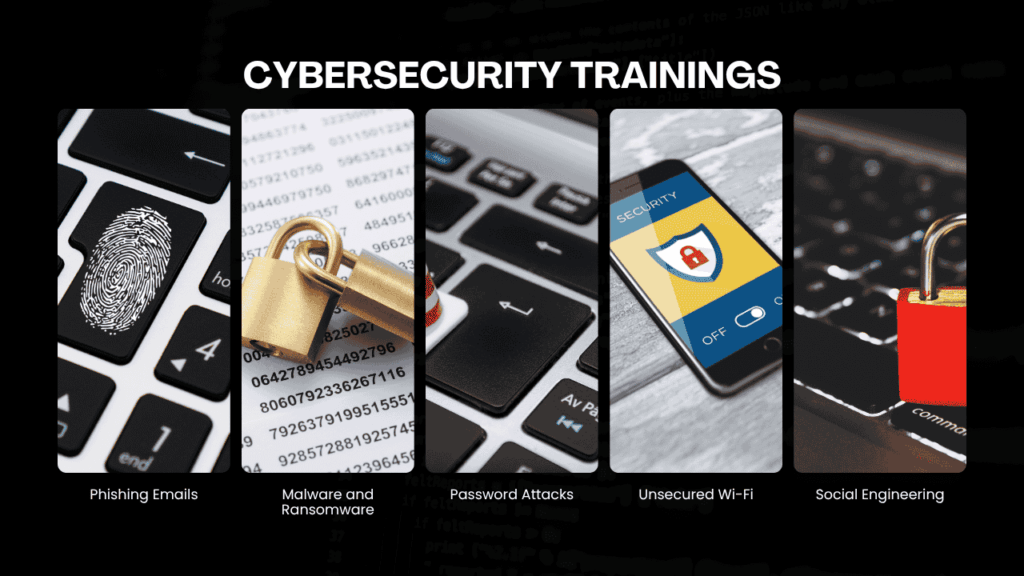
Increasing cyberattacks targeting organizations of all sizes are making cybersecurity a necessity for business survival. As cyberattacks become increasingly common, companies are realizing that cybersecurity training is one of the most effective ways to safeguard their digital assets, data, and customer trust.. Let’s explore the top cybersecurity trainings shaping modern workplaces — including AI-powered learning programs from Vocaliv, a leading name in AI, EdTech, SaaS, and Learning & Development (L&D) that’s helping organizations strengthen their digital defense strategies. The Growing Importance of Cybersecurity Learning According to Cybersecurity Ventures, global cybercrime costs will reach $10.5 trillion annually by 2025. With such staggering risks, upskilling employees in cybersecurity isn’t optional — it’s essential. Modern cybersecurity isn’t about just firewalls or antivirus software anymore. It’s about empowering people to detect, prevent, and respond to threats effectively — and that’s exactly what Vocaliv’s AI-powered training model achieves. 1. CompTIA Security+ A staple in the cybersecurity world, CompTIA Security+ provides a foundational understanding of network security, risk management, and threat mitigation.It’s ideal for beginners aiming to kickstart a cybersecurity career or professionals looking to validate their skills with a globally recognized certification. 2. Certified Ethical Hacker (CEH) Ethical hacking has become one of the most in-demand skills in cybersecurity. The CEH certification by EC-Council teaches how to think like a hacker to prevent potential breaches. 3. CISSP – Certified Information Systems Security Professional If you’re aiming for leadership in cybersecurity, CISSP is the gold standard. It focuses on developing strategies for securing organizational infrastructure and managing risk across enterprise environments. 4. Google Cybersecurity Professional Certificate Offered through Coursera, Google’s program blends accessibility with industry relevance. It’s beginner-friendly and includes hands-on projects that simulate real-world attacks and incident responses. 5. Certified Cloud Security Professional (CCSP) With businesses moving to the cloud, cloud security has become critical. CCSP, offered by (ISC)², trains professionals in cloud data protection, identity management, and compliance. 6. Cybersecurity for Business Leaders (Harvard Online) For executives and decision-makers, Harvard’s Cybersecurity for Business Leaders program explains how cybersecurity impacts operations and strategy. It helps leadership teams understand risks and align security with business growth. 7. IBM Cybersecurity Analyst Professional Certificate IBM’s online certification is highly practical and industry-oriented. It focuses on incident detection, penetration testing, and SIEM tools (Security Information and Event Management). 8. SANS Cyber Aces Online SANS Institute is known for some of the best cybersecurity courses worldwide. The Cyber Aces Online program is free and beginner-friendly, offering a great foundation in operating systems, networking, and system administration security. 9. MIT Professional Education – Cybersecurity: Technology, Application, and Policy For advanced learners, MIT’s course dives deep into policy, technology, and real-world applications of cybersecurity. It’s designed for professionals wanting to integrate technical expertise with strategic understanding. Why Choose Vocaliv For Cybersecurity Trainings? Choosing Vocaliv means you’re selecting a modern, AI-driven cybersecurity training platform that adapts to real-world business needs. Vocaliv’s solution allows you to upload existing policies or training content and instantly convert them into dynamic, interactive modules—complete with narrated lessons, simulation-based exercises, quizzes, and multilingual delivery. According to their website, the platform drives measurable results in productivity and reduces training time by integrating AI, voice-cloning, and custom dashboards for monitoring learner progress in real time. Topics covered span threat detection, data protection, remote-work security, and compliance—giving teams the technical knowledge and behavioral awareness needed to stay ahead of evolving cyber risks. FAQs 1. What are the AI Powered Education Platforms for Cybersecurity Trainings? AI-powered education platforms for cybersecurity training include Vocaliv, IBM SkillsBuild, Cyber School Israel, and NobleProg, offering adaptive learning and real-world simulations. 2. Why is cybersecurity training important for employees? Cybersecurity training is important for employees because it helps prevent data breaches, reduces human error, and strengthens an organization’s overall security posture. Cybersecurity training is no longer a luxury — it’s a strategic investment. From AI-enhanced learning platforms like Vocaliv to globally recognized certifications, the opportunities to strengthen your defenses are vast. If your organization wants to build cyber resilience with cutting-edge AI learning solutions, explore Vocaliv’s Cybersecurity Programs today — and stay one step ahead of tomorrow’s digital threats.
Best AI Quiz Generator Tools to Create Interactive Quizzes in 2025
The key to growth is learning, and engagement makes it happen. Learning will become more interactive and engaging through AI quiz generators in 2025 as educators, trainers, and businesses discover new ways to make learning more interactive. With these tools, you can save hours of manual work, as well as create personalized, adaptive, and engaging quizzes that make learning measurable and fun through artificial intelligence. The right AI Quiz Generator can improve the way people learn and retain information whether you’re an educator, an HR professional, or a SaaS company. Why AI Quiz Generators Are Transforming E-Learning Traditional quizzes often take hours to design, validate, and optimize. But with AI-powered tools, all you need is your content — and the system does the rest. An AI quiz generator uses natural language processing and machine learning to: In short, it turns static learning materials into dynamic, interactive experiences that improve knowledge retention and engagement. Top AI Quiz Generator Tools in 2025 Let’s explore some of the best AI quiz generator tools that are redefining digital learning and corporate training this year. 1. Vocaliv AI Quiz Generator Vocaliv has emerged as one of the most powerful AI quiz creation tools for businesses, educators, and L&D professionals. It allows users to transform plain text, lessons, or training materials into interactive quizzes within seconds. The platform uses deep learning models to understand context and generate diverse question types with accurate answers. Key Features: 2. Quizgecko Quizgecko uses GPT-based AI models to turn documents, websites, and text into multiple-choice or true/false quizzes. Its simplicity and intuitive dashboard make it a go-to for teachers and content creators. Key Features: 3. Typeform (AI-Powered Version) Typeform is well-known for its conversational forms, and its AI-enhanced quiz generator now helps users create engaging quizzes with a natural flow. Key Features: 4. ProProfs Quiz Maker ProProfs remains a solid choice for corporate and educational users who need detailed analytics and custom branding. Key Features: 5. Quizizz AI Quizizz combines gamification with AI-based question generation to make learning fun and interactive. With built-in leaderboards, timers, and themes, it’s a hit among teachers and students alike. Key Features: 6. Outgrow AI Quiz Maker Outgrow is a popular choice for marketing teams and trainers who want to blend engagement with lead generation. Its AI quiz tool helps businesses build personalized quizzes that double as data collection forms. Key Features: How to Choose the Right AI Quiz Generator Not every tool fits every goal. Here’s what to consider when selecting your AI Quiz Generator: Ease of Use: Look for drag-and-drop functionality and an intuitive UI.Customization: Ensure branding options and control over quiz formats.Analytics: Insights help track learner progress and engagement levels.Integration: Check compatibility with your LMS, CRM, or website.Pricing: Balance cost with features — scalability matters. For most businesses, Vocaliv’s AI Quiz Generator strikes the perfect balance between automation, customization, and deep learning analytics. The Benefits of Using AI Quiz Generators The shift toward AI-driven quizzes isn’t just about convenience — it’s about transforming learning outcomes. Here’s what makes them so powerful: In 2025, interactive learning powered by AI is no longer optional — it’s the standard for success in education and corporate training. How AI Quiz Generators Support Learning & Development (L&D) For Learning & Development professionals, these tools are game changers. They help create consistent, measurable learning experiences across teams and departments. AI-driven quizzes can: This makes AI quiz tools essential in maintaining learning efficiency in remote, hybrid, and global organizations. FAQs 1. What is an AI quiz generator? It’s a tool that uses artificial intelligence to automatically create quizzes from existing text, videos, or materials — saving time and ensuring high-quality assessments. 2. How does AI help in quiz creation? AI analyzes content contextually, generating diverse, well-structured questions and answers with minimal human input. 3. Can AI quiz generators be used in corporate training? Yes, they’re ideal for onboarding, compliance training, and skill assessments in corporate L&D environments. 4. Are AI quiz tools suitable for teachers and educators? Absolutely. Teachers can quickly create quizzes, track performance, and provide personalized feedback. As learning becomes more digital and data-driven, AI Quiz Generators are helping organizations and educators make training not just efficient — but enjoyable. If you’re ready to enhance engagement, automate quiz creation, and elevate your learning programs, explore Vocaliv’s AI Quiz Generator today. Empower your learners, simplify your process, and step into the future of interactive education with confidence.
Healthcare Training Institute vs. Online Programs: Which is Better?

In the healthcare industry, the demand for skilled healthcare professionals is increasing rapidly. From AI-powered diagnostics to personalized patient care, the demand for skilled healthcare professionals is skyrocketing. For nurses, technicians, and future healthcare managers, education and training are essential. Nonetheless, the question remains: should you enroll in a healthcare training institute or is an online program a better choice? Here, we’ll discuss both paths – their advantages, limitations, and which one aligns best with your career goals – especially in today’s AI-driven, eLearning, and L&D landscape. The Healthcare Learning Revolution Traditional healthcare training once relied entirely on in-person labs, physical classrooms, and hospital-based internships. But with the rise of eLearning, AI-powered education platforms, and SaaS-based learning systems, the healthcare learning model has transformed dramatically. Platforms like Vocaliv, Coursera and edX, own AI learning ecosystem now make it possible to earn certifications, practice simulations, and build real-world skills — all without stepping into a physical classroom. So, is this shift beneficial for everyone? Let’s explore. What Is a Healthcare Training Institute? A healthcare training institute is a traditional educational facility that provides hands-on training in medical, nursing, or allied health disciplines. Students gain direct experience using real equipment, working under instructors, and sometimes even interning in hospitals. What Are Online Healthcare Programs? Online healthcare programs are digital learning platforms or SaaS-based systems that deliver virtual courses, simulations, and certifications. Thanks to AI and Learning & Development (L&D) technologies, learners can now experience personalized education tailored to their skill levels and pace. Examples: Benefits of Online Healthcare Programs: However, online learning isn’t perfect. It often lacks in-person clinical practice, making it less ideal for roles that require hands-on patient care. Healthcare Training Institute vs. Online Programs: A Head-to-Head Comparison Feature Healthcare Training Institute Online Healthcare Program Learning Mode In-person, instructor-led Online, self-paced or instructor-guided Practical Exposure High (labs, hospitals) Moderate (virtual simulations) Flexibility Limited High Cost Higher (facilities, equipment) Lower (subscription or course-based) Networking Local connections Global peer interaction Accessibility Location-dependent Accessible worldwide Technology Integration Basic digital tools AI, LMS, and analytics-driven Emerging Trends in Healthcare Education 1. AI-Powered Learning Assistants Virtual learning assistants like Vocaliv’s AI Tutors can assess students’ knowledge, recommend next steps, and track progress in real-time. This makes healthcare education more personalized and efficient than ever before. 2. Virtual Reality (VR) and Simulation Labs Modern eLearning platforms now include 3D virtual labs and VR-based simulations that allow learners to practice clinical procedures digitally — reducing the need for physical setups. 3. SaaS in L&D For hospitals and universities, SaaS-based training systems simplify content management, reporting, and certification tracking. These platforms are transforming Learning & Development in healthcare by making large-scale training affordable and measurable. The Future Belongs to AI Healthcare Learning As AI and EdTech continue to advance, the future of healthcare education will merge hands-on experience with digital intelligence. Whether you’re a learner or an organization, the goal is the same: upskill smarter, faster, and more effectively. Ready to explore AI-powered healthcare learning?Visit Vocaliv to discover how our AI, SaaS, and L&D solutions can help you transform your healthcare training experience.