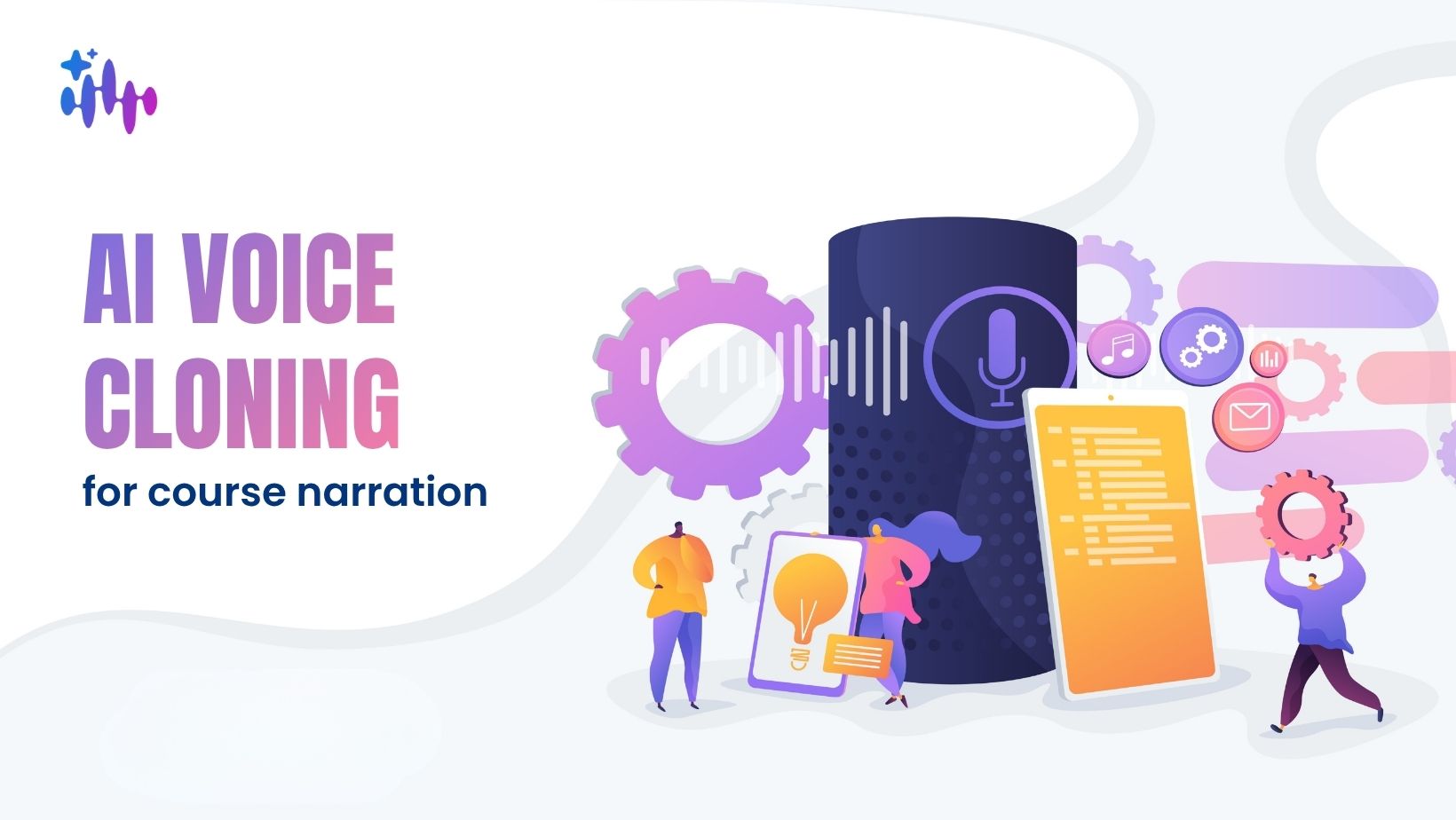
AI voice cloning for course narration uses Vocaliv’s AI voice cloning to capture an instructor’s voice from a short recording and generate new narration in that same voice for any future lesson, script update, or translated version, without requiring a re-record every time content changes.
Key Takeaways:
- 2026 voice cloning breakthroughs, particularly prosody modeling for natural emotional delivery, mean cloned narration now carries rhythm and emphasis instead of flat, robotic pacing.
- Cross-lingual cloning lets one instructor’s voice deliver a course in Spanish, Mandarin, or Arabic while keeping the original speaker’s identity and cadence intact.
- Fine-tuned voice clones built from 30+ minutes of source audio produce the highest fidelity for long-form course libraries; instant clones from as little as 10 seconds work for quick updates.
- The biggest practical win for course narration specifically: policy or content updates that used to require re-booking studio time now take a script edit and a regeneration pass.
- Consent is non-negotiable. No instructor’s voice should be cloned without their explicit agreement, regardless of how the source recording was obtained.
Every training provider running instructor-led courses eventually hits the same production bottleneck: a policy changes, a product updates, or a course needs translating, and the instructor who recorded the original narration isn’t available, or doesn’t want to spend another afternoon in a recording booth for a five-minute script edit. AI voice cloning for course narration solves this directly, and 2026’s technical advances have made the result good enough that most learners can’t tell the difference from a fresh recording.
What Actually Changed in Voice Cloning This Year
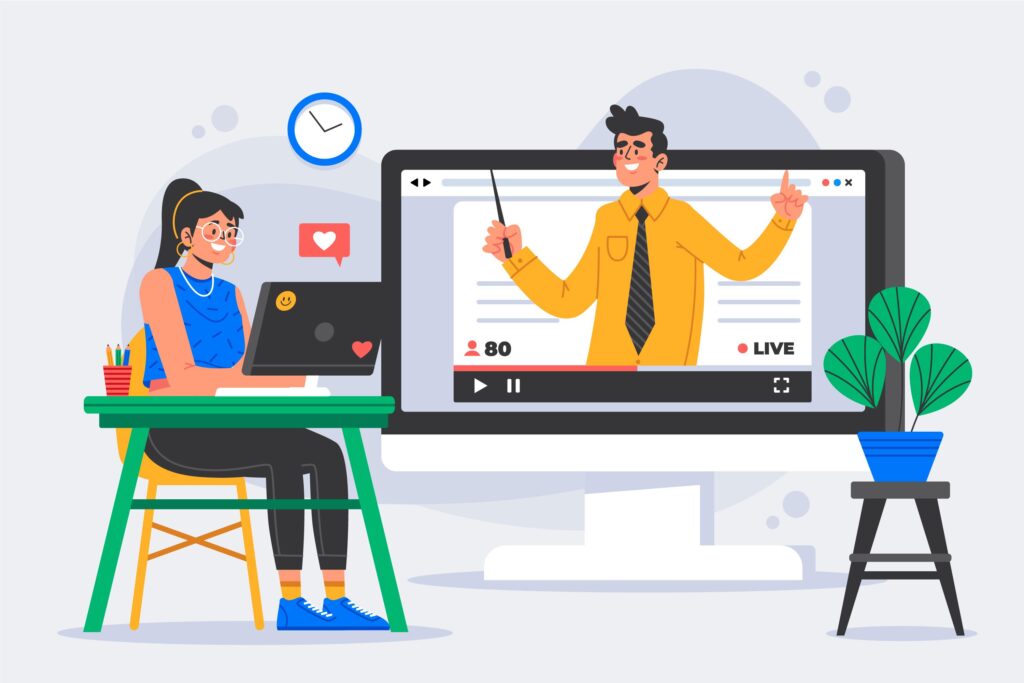
Voice cloning crossed a real quality threshold in 2026. Earlier systems could match a voice’s timbre well enough but sounded flat when reading a script aloud, missing the natural pauses and emphasis a real person uses. Current systems predict not just which sounds to produce but how to deliver them, producing narration that sounds like someone meaning what they’re saying rather than reading a transcript.
For course narration specifically, that shift is the difference between content that feels automated and content that feels taught. A cloned voice with genuine prosody holds a learner’s attention through a five-minute module the same way the real instructor would.
How Cloning Works for Course Narration Specifically
The workflow for course narration breaks into two paths depending on how much content you’re producing:
Instant cloning works from as little as 10 seconds of source audio and is fast enough for quick script updates or one-off module edits. Fine-tuned cloning uses 30 minutes to several hours of an instructor’s recordings and produces the highest fidelity, the better choice for a long-form course library where the voice needs to carry consistent authority across dozens of modules.
Once a clone exists, updating a course becomes a text edit rather than a studio booking. Change the script, regenerate the narration in the instructor’s own voice, and the updated module is ready without anyone stepping in front of a microphone again.
Cross-Lingual Narration Without a New Voice Actor
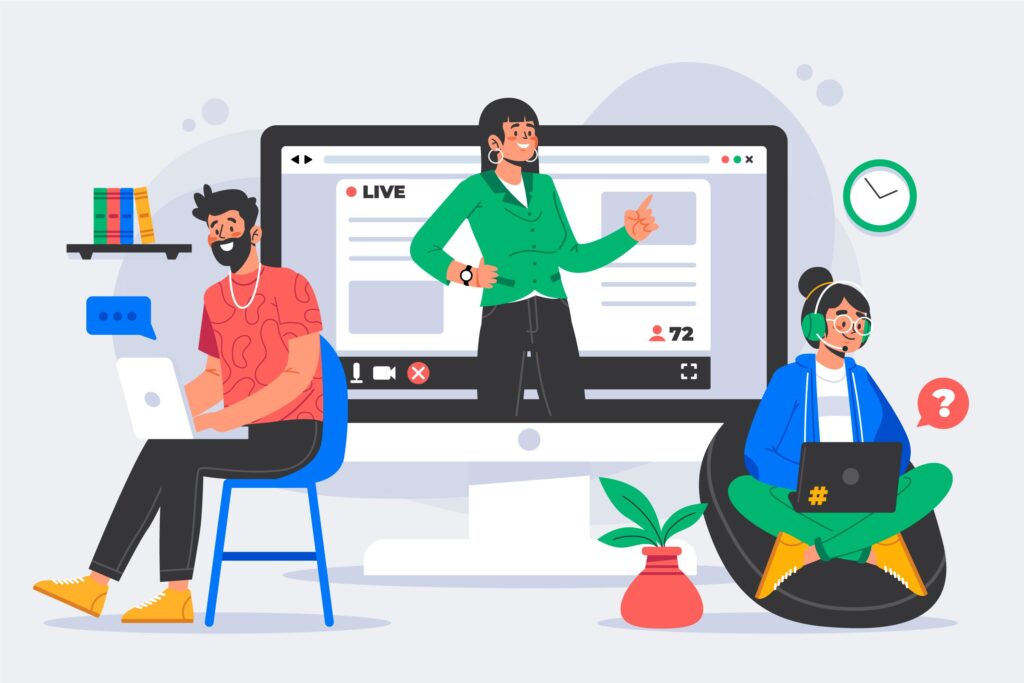
The technical advance most relevant to global training providers is cross-lingual cloning: clone a voice from an English recording, then generate narration in another language, and the cloned voice keeps the original speaker’s identity, tone, and cadence. A single instructor recording once in English can deliver the same course in Arabic, Spanish, or Mandarin without a different narrator breaking the brand and instructional continuity learners associate with that voice.
For training providers running programs across the GCC specifically, this closes a real gap: full Arabic localization has traditionally meant either a separate Arabic-speaking narrator or a flat, machine-translated voiceover that doesn’t carry the same instructional presence. Cross-lingual voice cloning keeps the same instructor’s voice and delivery intact across both languages.
Instant vs. Fine-Tuned Cloning for Course Production
| Factor | Instant Cloning | Fine-Tuned Cloning |
| Source audio needed | As little as 10 seconds | 30 minutes to several hours |
| Best for | Quick script edits, one-off updates | Long-form course libraries, consistent brand voice |
| Fidelity | Good, sufficient for most updates | Highest, handles distinctive vocal characteristics |
| Turnaround | Minutes | Longer setup, faster regeneration afterward |
| Typical use case | Policy update mid-course | Building a full multi-module program from scratch |
The Compliance Question Every Training Provider Should Ask
Voice cloning creates a synthetic model of a real person’s identity, and that carries real obligations. No instructor’s voice should be cloned without their explicit, informed consent, and responsible platforms enforce this both contractually and technically. If you’re evaluating a voice cloning vendor for course narration, confirm exactly how consent is captured and verified before any voice model gets created, not after.
For the fuller technical picture of what advanced in voice cloning this year and where the category is heading, read our companion deep dive on voice cloning technology in 2026 before choosing a platform for your course narration workflow.
Getting Started With Cloned Narration for Your Courses
- Record a clean source sample: Ten seconds works for a quick test; 30+ minutes of varied, natural speech produces the best fine-tuned clone for ongoing use.
- Confirm consent is documented: not just implied by the instructor handing over a recording.
- Test the clone on one real script: before committing to a full course library, checking pacing and emphasis against how the instructor actually sounds live.
- Build your update workflow around text edits: not re-recordings, so future changes stay fast.
Frequently Asked Questions
A short recording of an instructor’s voice is used to train a voice model, which can then generate new narration in that same voice from any script. Fine-tuned clones built from longer source recordings produce the highest fidelity for ongoing course production.
Voice cloning itself is legal, but using someone’s voice without their explicit consent is not, regardless of how the source audio was obtained. Reputable platforms require and verify consent before generating a usable voice model.
Yes. Cross-lingual voice cloning preserves the original speaker’s identity, tone, and cadence while generating narration in a different language, letting one instructor’s voice deliver the same course in Arabic, Spanish, or other languages without a new recording.
Instant cloning works from as little as 10 seconds for quick updates, while fine-tuned cloning for a full course library typically uses 30 minutes to several hours of source recordings to maximize fidelity and consistency.
Voice cloning for course narration stopped being a novelty in 2026 and became production infrastructure. The training providers getting real value from it aren’t chasing a flashy demo, they’re using it to keep instructor-led content current, consistent, and multilingual without booking a studio every time something changes.