The best AI personalized learning platforms in 2026 are Vocaliv, Docebo, 360Learning, Sana Labs, TalentLMS, and D2L Brightspace each serving a different use case across training institutes, enterprise L&D, and corporate upskilling. What separates them from traditional LMS platforms is real-time adaptive learning, AI-powered course authoring, and automated learner support that scales without adding headcount. With the AI personalized learning market projected to reach $20 billion by 2027 and 79% of L&D teams already using AI in their strategies, choosing the right platform is now a direct lever on training outcomes not just an IT decision.
What Are AI Personalized Learning Platforms?
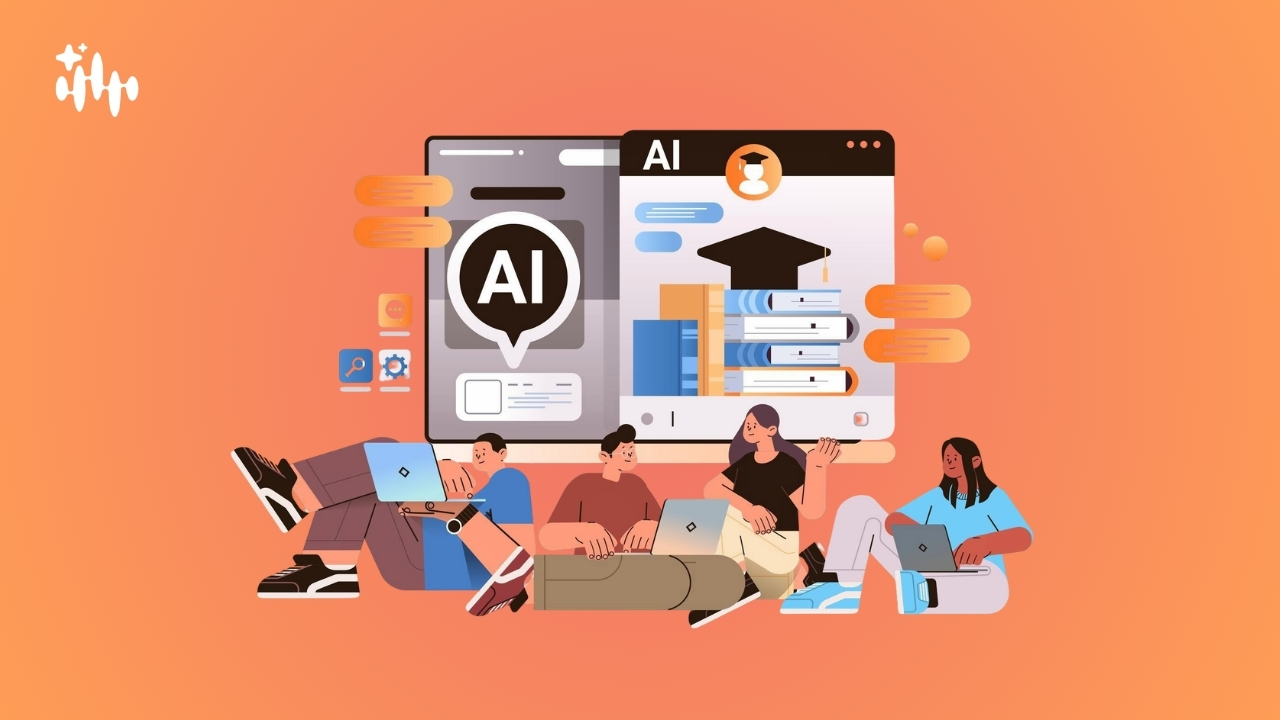
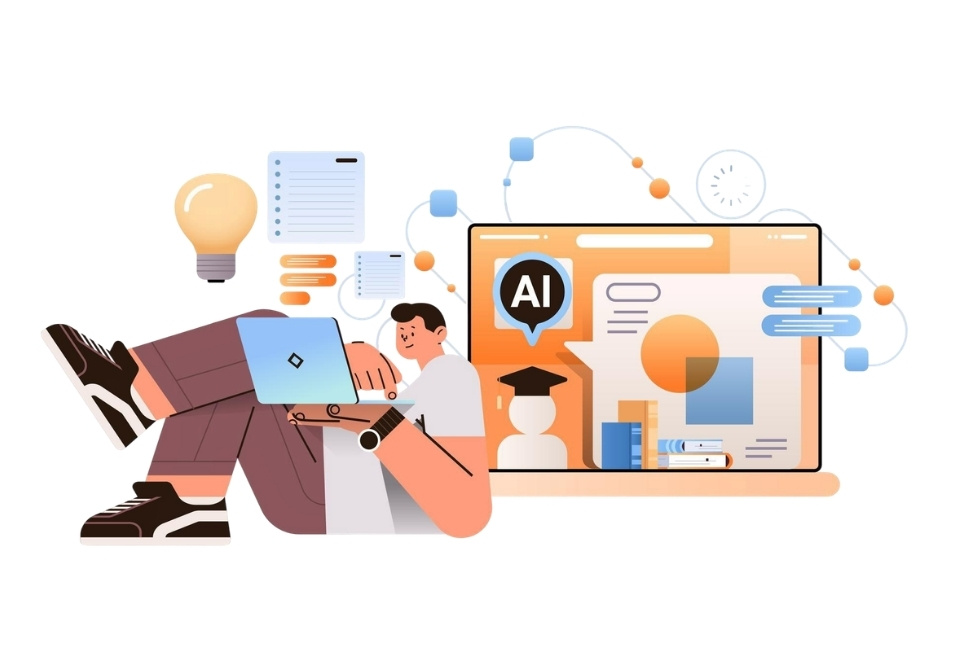
Vocaliv’s AI course builder represents how the best AI personalized learning platforms work in 2026: they combine adaptive learning paths, automated content generation, and voice-based delivery to create individualized training experiences without multiplying L&D headcount. These platforms use machine learning and natural language processing to analyze learner behavior, close skill gaps in real time, and scale course production from weeks to hours.
Key Takeaways:
- 79% of L&D teams are already using AI in their learning strategies, with 65% starting with AI-powered content generation.
- The AI personalized learning market is projected to reach $20 billion by 2027, driven by demand for adaptive, scalable training.
- Platforms now split into two tiers: enterprise LMS/LXP hybrids (Docebo, 360Learning, Sana Labs) and course-creator-first tools built for training providers and institutes (Vocaliv).
- The highest-performing organizations are 19 times more likely to leverage AI to design and develop learning experiences.
- Voice cloning, automated quiz generation, and 24/7 AI student support are the three capabilities separating category leaders from legacy platforms in 2026.
Why Generic LMS Platforms Are Hitting a Ceiling
Most LMS platforms were designed to host content, not create it. They can track completions, issue certificates, and generate dashboards but when an L&D manager needs to build a new compliance module by Friday, those platforms offer a blank editor and a wish of good luck.
The shift happening in 2026 is from content delivery toward learning orchestration. AI-assisted authoring can turn documents and internal knowledge into learning content in minutes, while skills intelligence and personalized learning tools help identify gaps and recommend development proactively. The platforms that can’t do both are losing ground fast.
Top AI Personalized Learning Platforms in 2026
This comparison covers platforms across use cases enterprise workforce training, independent course creators, and training institutes scaling program delivery.
| Platform | Best For | AI Personalization | Voice / Audio Content | Course Authoring | Pricing Model |
| Vocaliv | Training providers & institutes | Adaptive paths + AI lesson planning | ✅ Cloned voice delivery | ✅ AI-native builder | SaaS (per seat) |
| Docebo | Large enterprise LMS | Auto-tagging + skill recommendations | ❌ | ✅ Creator module | Enterprise (custom) |
| 360Learning | Collaborative upskilling | Peer-driven + AI content prompts | ❌ | ✅ Native authoring | From $8/user/mo |
| Sana Labs | Corporate adaptive training | Real-time content adaptation | ❌ | ✅ AI quiz + summaries | Custom enterprise |
| TalentLMS | SMB training programs | TalentCraft AI generator | ❌ | ✅ Prompt-based | From $69/mo |
| D2L Brightspace | Higher ed + regulated industries | Lumi AI (educator-controlled) | ❌ | ✅ Modular | Enterprise (custom) |
The table exposes a consistent gap: no platform in the enterprise tier supports voice-cloned audio delivery, which is where training institutes and content-heavy programs lose learner attention most quickly.
What Makes Vocaliv Different for Training Providers
Most platforms on this list were designed for corporate L&D departments managing existing workforces. Vocaliv was built for a different problem: training institutes and independent providers who need to launch new programs faster, reduce the manual workload on instructors, and maintain learner engagement across asynchronous delivery.
The core capability is AI-powered lesson planning paired with voice-based content creation. An instructor records or uploads their voice once. Vocaliv clones it, then uses it to narrate new lessons, update existing modules, and respond to student queries without the instructor re-recording anything. This compresses the content production cycle from days to hours.
Where platforms like Sana Labs and 360Learning focus on getting learners through existing content faster, Vocaliv focuses on helping providers produce better content in the first place then deliver it in a format that holds attention.
Most training providers don’t realize how much their completion rates are driven by delivery format rather than content quality. To understand the full spectrum of how leading platforms handle adaptive delivery, pacing, and learner retention, read our detailed breakdown of the top AI learning platforms of 2026 and see how each handles the content-to-completion pipeline.
The Three Capabilities That Actually Move Completion Rates
Comparing feature lists is less useful than understanding which capabilities have a measurable impact on learner behavior. Based on 2026 platform data, three drive the clearest outcomes:
1. Adaptive Pacing (not just adaptive paths) Path personalization routing a learner to Module B instead of Module C is table stakes. Real AI personalization adapts to how a learner engages, spots knowledge gaps before the learner notices them, and adjusts content difficulty based on progress. Only a handful of platforms on this list do this without requiring manual configuration from L&D admins.
2. Voice-First Content Delivery Modern professionals are increasingly relying on tools that transform scattered content into personalized, commute-ready audio lessons. Text-heavy modules consistently underperform audio and video equivalents across retention benchmarks. Platforms that can generate or clone instructor audio natively remove the production bottleneck entirely.
3. 24/7 AI Student Support Learners don’t get stuck between 9am and 5pm. An AI assistant embedded in the course trained on the course content itself handles the repetitive “where do I find X” and “can you re-explain Y” queries that eat instructor time and delay learner progress.
Frequently Asked Question
The best platform depends on your use case. For training institutes and course creators, Vocaliv leads on AI-native content production, voice cloning, and automated student support. For enterprise workforce training, Docebo and Sana Labs offer the deepest skills mapping and HRIS integration. And for collaborative upskilling within existing teams, 360Learning delivers the fastest content-from-SME workflows.
A traditional LMS routes all learners through the same content sequence. An AI-powered platform analyzes individual behavior, performance patterns, and skill gaps in real time adjusting content difficulty, recommending modules, and triggering targeted interventions before a learner falls behind. Over 47% of learning management systems are expected to be powered by AI, supporting personalized paths and real-time intelligent tutoring.
An LMS (Learning Management System) manages structured training delivery, compliance tracking, and reporting with admin-controlled content sequencing. An LXP (Learning Experience Platform) focuses on self-directed, personalized discovery where learners surface and consume content based on their own goals. Many modern platforms now combine both in a single system, making the distinction less meaningful than it was in 2021.
For large enterprises with complex compliance requirements, Docebo and D2L Brightspace offer the most robust admin controls, reporting depth, and HRIS integration. For training companies and institutes that need to produce and deliver content at scale not just manage it Vocaliv’s AI course builder reduces production time significantly while maintaining instructor voice and brand consistency.